For electrical engineers and procurement specialists, selecting the right proximity sensor is only half the battle. The other critical component is identifying reliable purchasing channels that ensure product quality, timely delivery, and technical support. In today’s globalized market, engineers have multiple avenues to source these essential components, each with distinct advantages and considerations.
Direct procurement from manufacturers remains a preferred choice for large-scale or specialized projects. Established brands like Siemens, Omron, Schneider Electric, and Pepperl+Fuchs offer comprehensive catalogs, detailed technical specifications, and direct sales support. Purchasing directly often provides access to the latest product lines, customization options, and robust warranty services. However, this channel may involve longer lead times for non-standard items and higher minimum order quantities, making it more suitable for OEMs or large industrial clients.
Authorized distributors and wholesalers serve as a vital link between manufacturers and end-users. Companies such as RS Components, Digi-Key, and Allied Electronics maintain extensive inventories of proximity sensors from multiple brands, offering faster shipping and flexible order sizes. These distributors typically provide additional value through technical documentation, cross-referencing tools, and localized customer service. For maintenance, repair, and operations (MRO) purchases or prototype development, distributors are often the most efficient source. Engineers should verify distributor authorization to avoid counterfeit products and ensure genuine manufacturer support.
Online marketplaces and e-commerce platforms have gained significant traction in recent years. Websites like Amazon Business, Alibaba, and eBay host numerous suppliers ranging from factory-direct sellers to third-party retailers. While these platforms can offer competitive pricing and user reviews, engineers must exercise caution. Key verification steps include checking supplier certifications, reading detailed feedback, and confirming product authenticity. This channel is generally more appropriate for standard, off-the-shelf sensors rather than specialized industrial-grade models.
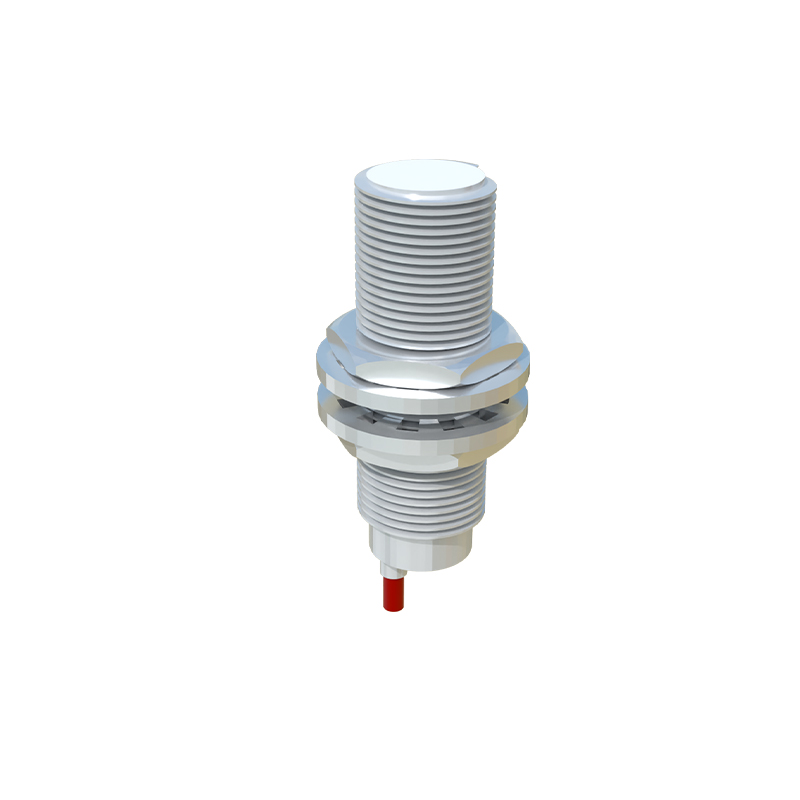
Specialized industrial suppliers and system integrators provide another avenue, particularly for complex automation projects. These vendors not only supply sensors but also offer integration services, configuration support, and application-specific advice. For engineers designing custom machinery or automated lines, partnering with a system integrator can streamline sensor selection, installation, and troubleshooting. This channel emphasizes solution-based purchasing rather than transactional buying.
Local electrical supply stores and trade shows also play a role, especially for urgent needs or hands-on evaluation. While inventory may be limited compared to online channels, local stores offer immediate availability and personalized assistance. Industry expositions, such as Hannover Messe or SPS Smart Production Solutions, allow engineers to inspect sensors firsthand, discuss requirements with technical experts, and establish direct contacts with suppliers.
When evaluating purchasing channels, engineers should prioritize factors beyond price. Consider technical support availability, lead times, return policies, and compliance with industry standards (e.g., IEC, UL, or ATEX certifications). Developing long-term relationships with trusted suppliers can lead to better pricing, priority support, and early access to new technologies. Additionally, leveraging digital tools like supplier comparison platforms or procurement software can enhance decision-making efficiency.
In summary, the optimal purchasing channel for proximity sensors depends on project scope, urgency, technical requirements, and budget constraints. A hybrid approach—combining direct manufacturer engagement for critical components and distributors for routine purchases—often yields the best results. By understanding the strengths and limitations of each sourcing option, electrical engineers can ensure reliable sensor procurement, ultimately contributing to system durability and operational excellence.