In the rapidly evolving landscape of industrial automation and precision engineering, high-frequency laser sensors have emerged as a cornerstone technology, driving unprecedented levels of accuracy, speed, and reliability. These advanced devices operate on the principle of emitting focused laser beams at exceptionally high frequencies—often reaching into the megahertz range—and analyzing the reflected light to measure parameters such as distance, displacement, thickness, and vibration with micron-level precision. Unlike conventional sensors, their non-contact nature eliminates mechanical wear and minimizes interference, making them ideal for harsh environments where dust, heat, or electromagnetic noise are prevalent.
The core mechanism involves a laser diode generating coherent light, which is then modulated at high frequencies. A photodetector captures the returning signal, and sophisticated algorithms process phase shifts or time-of-flight data to calculate measurements. This allows for real-time monitoring and control, essential in applications like semiconductor manufacturing, where nanometer-scale tolerances are critical, or in automotive assembly lines for robotic guidance and quality inspection. The integration of fiber optics and compact designs has further expanded their utility, enabling deployment in confined spaces or for multi-point sensing networks.
Industries leveraging high-frequency laser sensors report significant gains in productivity and quality assurance. In aerospace, they ensure the precise alignment of turbine blades, while in electronics, they verify component placement on circuit boards. Their high sampling rates also facilitate dynamic analysis, such as detecting minute vibrations in machinery to predict maintenance needs, thereby reducing downtime. As the Internet of Things (IoT) and Industry 4.0 advance, these sensors are increasingly interconnected with cloud-based systems, enabling predictive analytics and smarter decision-making.
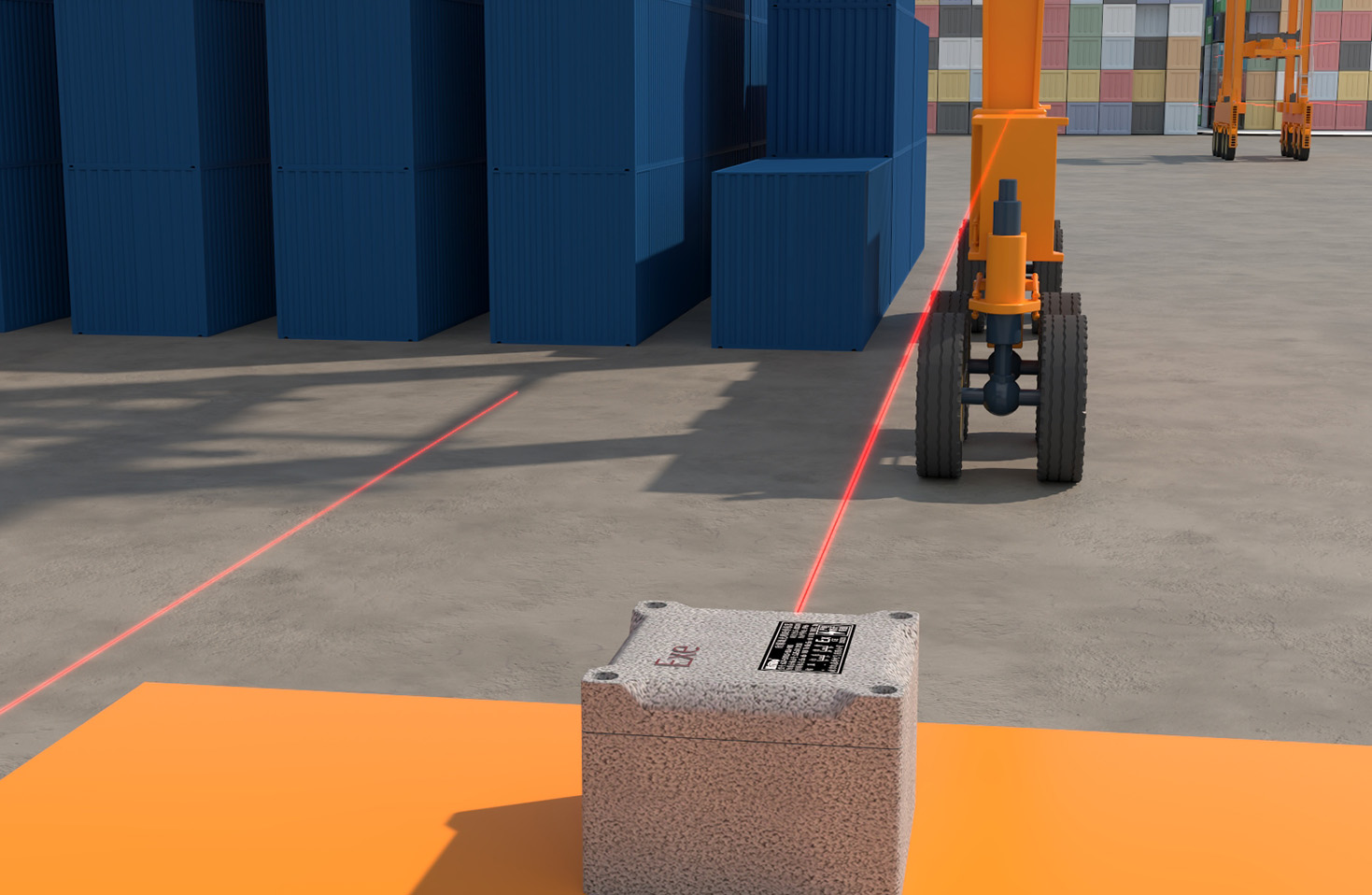
Despite their advantages, challenges persist, including calibration complexities and sensitivity to ambient light or surface reflectivity. Ongoing research focuses on enhancing signal processing techniques and developing adaptive algorithms to overcome these limitations. With trends toward miniaturization and cost reduction, high-frequency laser sensors are poised to become even more accessible, fueling innovation across sectors from medical devices to renewable energy. Ultimately, they represent not just a tool for measurement, but a transformative force in building the intelligent, efficient factories of the future.