In industrial automation and harsh environment applications, proximity sensors must maintain reliable performance under extreme temperature conditions. Low temperature resistant proximity sensors are specifically engineered to operate in sub-zero environments, typically ranging from -40°C to -60°C, with some specialized models capable of functioning at even lower temperatures. These sensors are constructed using materials that resist brittleness and contraction, such as stainless steel housings and specialized seals that prevent condensation and ice formation. The internal electronic components are designed with low-temperature tolerant semiconductors and circuit boards that ensure stable signal transmission and switching accuracy.
One key feature is the use of temperature-compensated circuitry, which adjusts the sensor's sensitivity and response time to counteract the effects of cold on electrical properties. This prevents false triggers or signal loss, common issues in standard sensors exposed to freezing conditions. Additionally, many low temperature resistant proximity sensors incorporate IP67 or higher ingress protection ratings, making them resistant to moisture, frost, and contaminants like ice particles. Their sensing technology, whether inductive, capacitive, or magnetic, is optimized to detect objects through layers of frost or ice buildup without degradation in performance.
Applications span across industries such as cold storage logistics, outdoor automation in Arctic climates, refrigeration systems, and automotive testing in environmental chambers. For instance, in freezer warehouses, these sensors reliably monitor pallet movements on conveyor belts, while in automotive manufacturing, they ensure precise part detection during cold-weather testing phases. The durability of these sensors reduces maintenance frequency and downtime, offering long-term cost savings despite a higher initial investment compared to standard models.
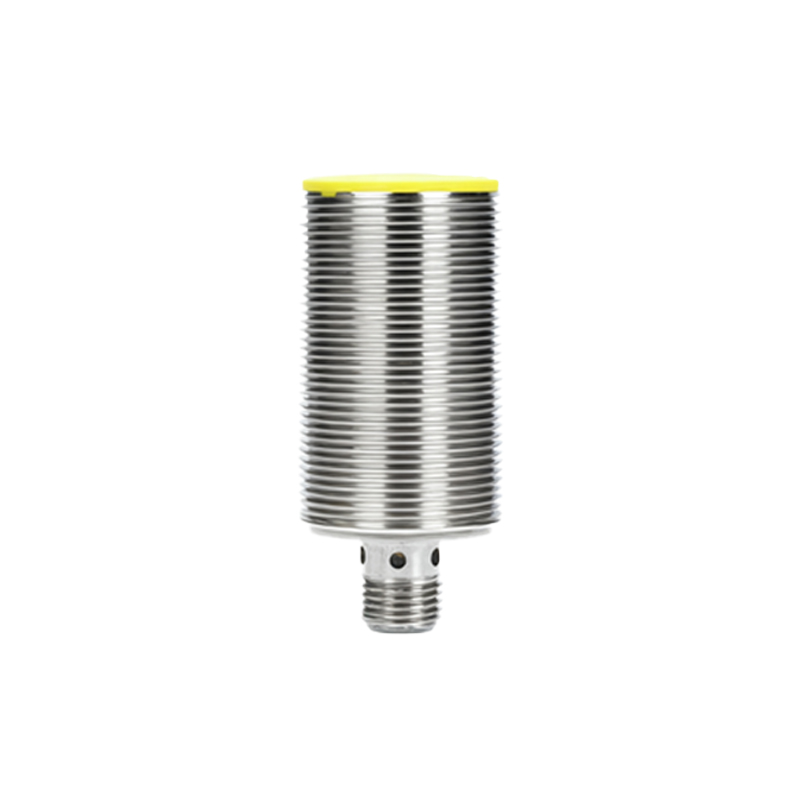
When selecting a low temperature resistant proximity sensor, factors to consider include the specific temperature range, required sensing distance, output type (e.g., PNP/NPN), and housing material compatibility with environmental exposures. Regular calibration and adherence to manufacturer guidelines for installation—such as avoiding direct exposure to rapid thermal cycling—can further enhance lifespan and reliability. As technology advances, innovations in materials science and electronics continue to push the boundaries, enabling sensors to operate in increasingly extreme cold while maintaining efficiency and accuracy.