In the rapidly evolving landscape of industrial automation and precision engineering, the demand for accurate, reliable, and efficient distance measurement solutions has never been higher. Among the array of technologies available, laser distance sensors have emerged as a cornerstone for numerous applications, from robotics and manufacturing to construction and logistics. Specifically, STM laser distance sensors represent a sophisticated class of devices designed to meet the rigorous demands of modern industry. These sensors utilize laser technology to measure distances with exceptional precision, often achieving sub-millimeter accuracy even over extended ranges. The fundamental principle involves emitting a laser beam toward a target object and calculating the distance based on the time it takes for the light to reflect back to the sensor, a method known as time-of-flight (ToF). This approach ensures minimal interference from environmental factors like ambient light or dust, making STM sensors highly robust in challenging conditions.
One of the key advantages of STM laser distance sensors is their versatility. They can be integrated into various systems for tasks such as object detection, level monitoring, positioning, and quality control. For instance, in automated production lines, these sensors enable real-time monitoring of component dimensions, ensuring products meet strict specifications without manual intervention. In warehouse automation, they facilitate precise inventory management by accurately measuring the height and volume of stored goods. Additionally, their compact design and low power consumption make them suitable for portable devices and battery-operated equipment, expanding their utility across sectors.
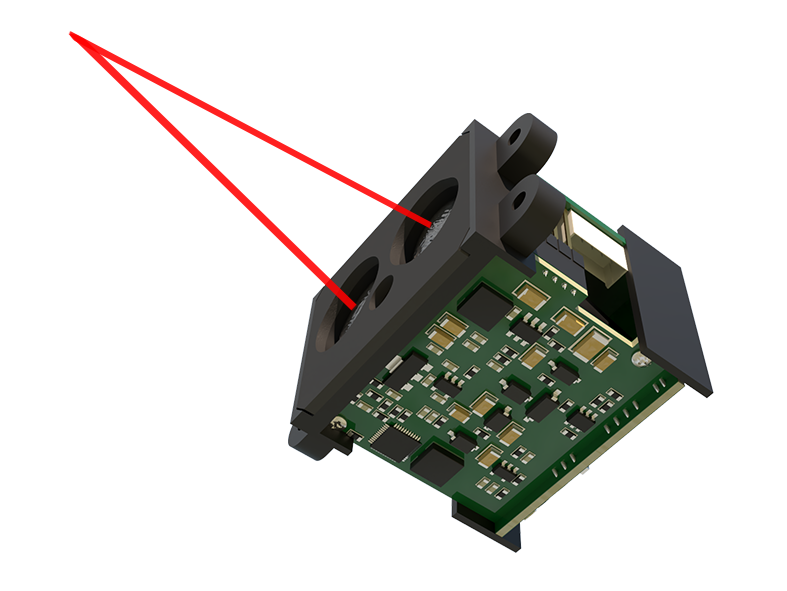
The technical specifications of STM laser sensors often include features like high sampling rates, long measurement ranges (from a few centimeters to several hundred meters), and robust communication interfaces (e.g., RS-232, Ethernet, or IoT connectivity). Advanced models may incorporate signal processing algorithms to filter noise and enhance accuracy, even in dynamic environments with moving targets. For example, in automotive assembly, sensors can track the position of vehicle parts during rapid movements, contributing to efficient and error-free manufacturing processes. Moreover, the non-contact nature of laser measurement prevents wear and tear, reducing maintenance costs and downtime compared to mechanical alternatives.
Despite their benefits, selecting the right STM laser distance sensor requires careful consideration of application-specific factors. Parameters such as measurement range, resolution, response time, and environmental tolerance (e.g., temperature, humidity, and vibration resistance) must align with operational needs. In outdoor settings, sensors with protective housings and IP ratings are essential to withstand weather elements. Similarly, industries like aerospace or pharmaceuticals may demand sensors with certifications for safety and hygiene standards. It is also crucial to evaluate the ease of integration with existing control systems, as seamless data exchange is vital for automation efficiency.
Looking ahead, innovations in STM laser sensor technology continue to drive progress. Trends include the integration of artificial intelligence for predictive analytics, enhanced miniaturization for embedded applications, and improved energy efficiency for sustainable operations. As industries embrace smart manufacturing and Industry 4.0 initiatives, these sensors will play a pivotal role in enabling interconnected, data-driven environments. By providing precise, real-time measurements, STM laser distance sensors not only optimize productivity but also enhance safety and reduce waste, contributing to more resilient and competitive industrial ecosystems.
In summary, STM laser distance sensors offer a powerful solution for precision measurement across diverse fields. Their ability to deliver accurate data under demanding conditions makes them indispensable tools for engineers and technicians striving to improve operational excellence. As technology advances, these sensors are poised to become even more integral to the future of automation, helping businesses navigate the complexities of modern industry with confidence and clarity.