Magnetic proximity sensors are essential components in modern industrial automation, offering non-contact detection of ferrous metal objects. Their pricing structure is multifaceted, influenced by a complex interplay of technical specifications, market dynamics, and application requirements. Unlike simple commodity items, the cost of these sensors cannot be reduced to a single price tag but must be understood as a value proposition tied to performance and reliability.
The core technology, typically based on the Hall effect or magnetoresistive principles, forms the first pricing tier. Basic, unipolar digital switches with standard sensing ranges (e.g., 5mm to 15mm) represent the most economical entry point. Their pricing is competitive, driven by high-volume manufacturing and standardized housing designs, often in plastic or nickel-plated brass. However, the moment specifications escalate, so does the cost. Sensors with extended ranges, superior repeatability (measured in microns), or higher switching frequencies command a premium. Analog output sensors, which provide a continuous voltage or current signal proportional to the distance to the target, are inherently more complex and priced higher than their digital on/off counterparts.
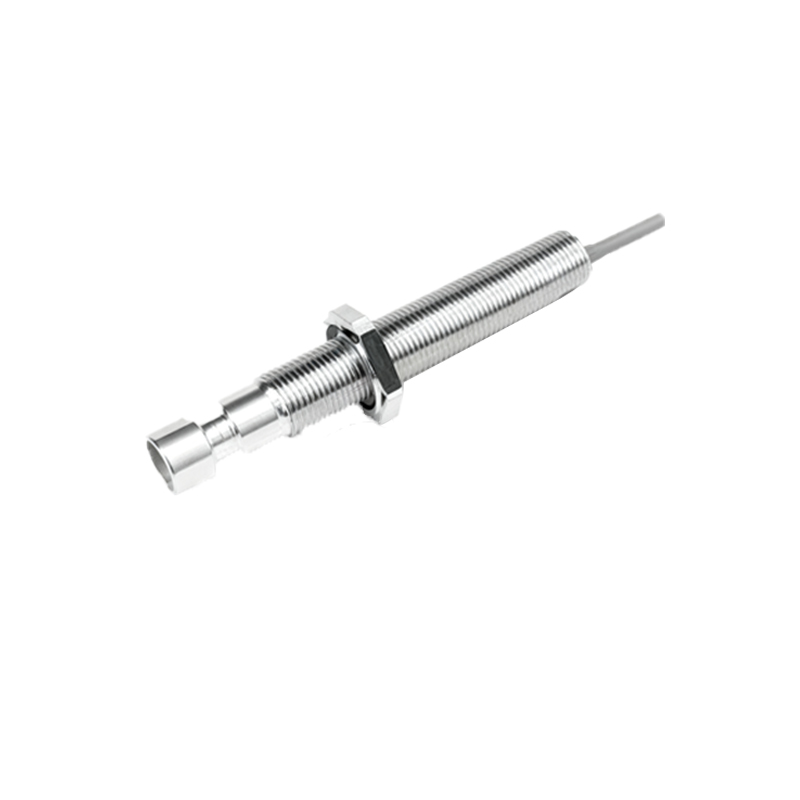
Environmental robustness is a critical cost driver. A sensor with a standard IP67 rating (dust-tight and protected against temporary immersion) is a baseline for many industrial settings. Advancing to IP68, IP69K (for high-pressure, high-temperature washdowns), or certifications for use in hazardous areas (ATEX, IECEx) involves specialized sealing, materials, and testing, significantly increasing the unit price. The housing material itself—stainless steel (V2A, V4A) versus plastic or brass—directly impacts both material cost and suitability for corrosive or hygienic environments.
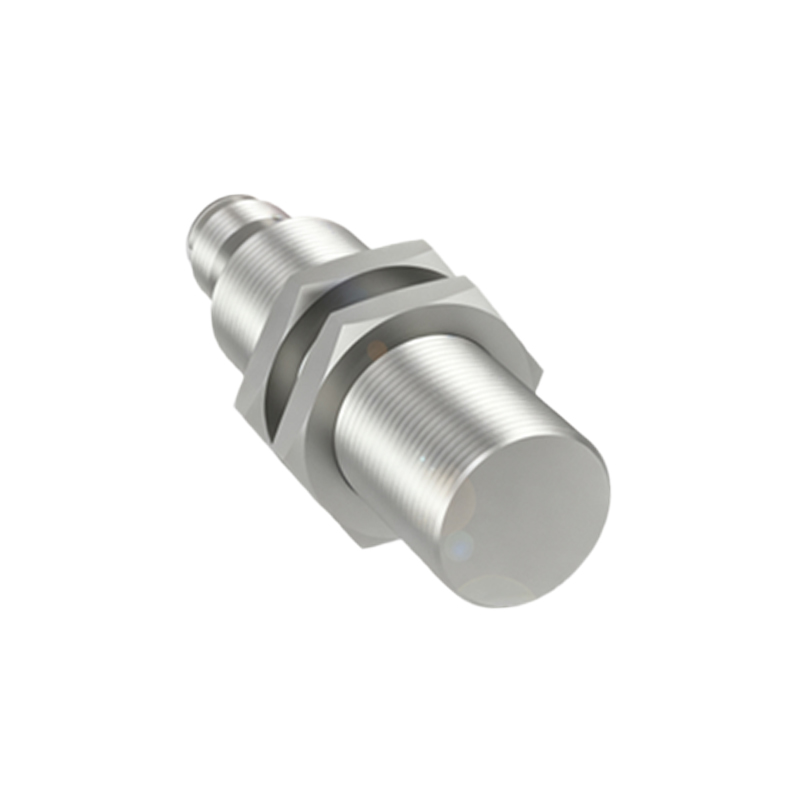
Electrical characteristics and output configurations further delineate price brackets. Standard 3-wire DC PNP or NPN outputs are common. The inclusion of advanced diagnostics (like IO-Link communication), short-circuit protection, reverse polarity protection, or programmable parameters adds layers of electronic sophistication. IO-Link sensors, in particular, while having a higher initial purchase price, offer immense value through detailed condition monitoring, parameterization, and simplified wiring, potentially reducing total cost of ownership.
The supply chain and brand equity play undeniable roles. Established global manufacturers with extensive R&D, quality control, and worldwide distribution networks typically price their products higher, justified by proven longevity, comprehensive technical support, and warranty services. Conversely, generic or regionally branded alternatives may offer lower upfront costs, which must be weighed against potential risks in consistency, lifespan, and availability of spare parts. Market fluctuations in raw materials (copper, semiconductors, rare-earth magnets) and global logistics also cause price volatility, making fixed long-term quotes challenging.
When requesting a quotation, providing detailed application parameters is crucial for accuracy. Suppliers need to know: the target material (mild steel, stainless steel), required sensing distance, operating voltage, output type, housing style (barrel, rectangular), thread size, connection type (cable or connector), and the required ingress protection rating. Furthermore, volume matters. Unit pricing for a one-off prototype order differs vastly from a contract for thousands of pieces per month, where economies of scale apply.
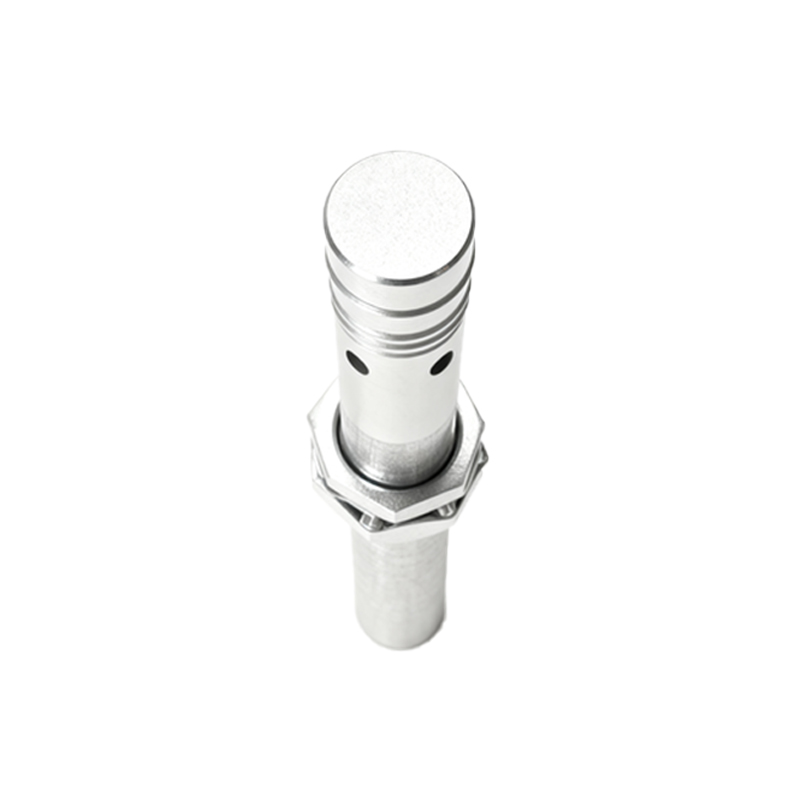
In conclusion, the quotation for a magnetic proximity sensor is a reflection of its engineered capabilities and the ecosystem supporting it. The lowest-priced option is rarely the most cost-effective solution when considering machine downtime, maintenance, and safety. A prudent procurement strategy involves a total cost analysis, balancing initial investment with the sensor's precision, durability, and integration features to ensure optimal performance and reliability in demanding automation environments.