Magnetic proximity sensors are essential components in modern industrial automation and everyday electronic devices. These sensors detect the presence or absence of a magnetic field, typically generated by a permanent magnet or an electromagnet, without any physical contact. Their core function is to convert magnetic field information into an electrical signal, enabling systems to monitor, control, and secure operations. The principle is elegantly simple: when a magnetic object enters the sensor's detection range, it triggers a change in the sensor's internal state—such as in a reed switch, Hall-effect element, or magnetoresistive component—which then outputs a clean, digital or analog signal.
The primary role of these sensors is non-contact detection and switching. This is their most significant advantage. Unlike mechanical limit switches, magnetic sensors have no moving parts that can wear out from repeated physical contact. This translates to exceptional reliability, a long operational lifespan, and minimal maintenance requirements. They are perfectly suited for harsh environments where dust, moisture, oil, or vibrations are present, as they can be completely sealed. For instance, on a factory assembly line, a magnetic sensor can reliably count metallic parts or confirm the closed position of a machine guard door thousands of times per day without failure.
Another critical function is position sensing and speed measurement. By arranging multiple sensors or using a multi-pole magnet, systems can determine the precise angular or linear position of a component. In automotive applications, magnetic sensors are ubiquitous. They measure the rotational speed of wheels for anti-lock braking systems (ABS), detect crankshaft and camshaft positions for engine timing, and monitor gearbox operations. The ability to function accurately at high speeds and across a wide temperature range makes them indispensable in vehicle electronics.
Safety and security form a third major application area. Magnetic sensors are the backbone of many security systems. Door and window sensors in home alarm systems use a simple magnet and sensor pair to detect openings. In industrial settings, they are used as safety interlocks on machinery access panels; if a guard is opened, the sensor detects the magnet moving away and immediately sends a signal to cut power, preventing accidents. This fail-safe functionality protects both equipment and personnel.
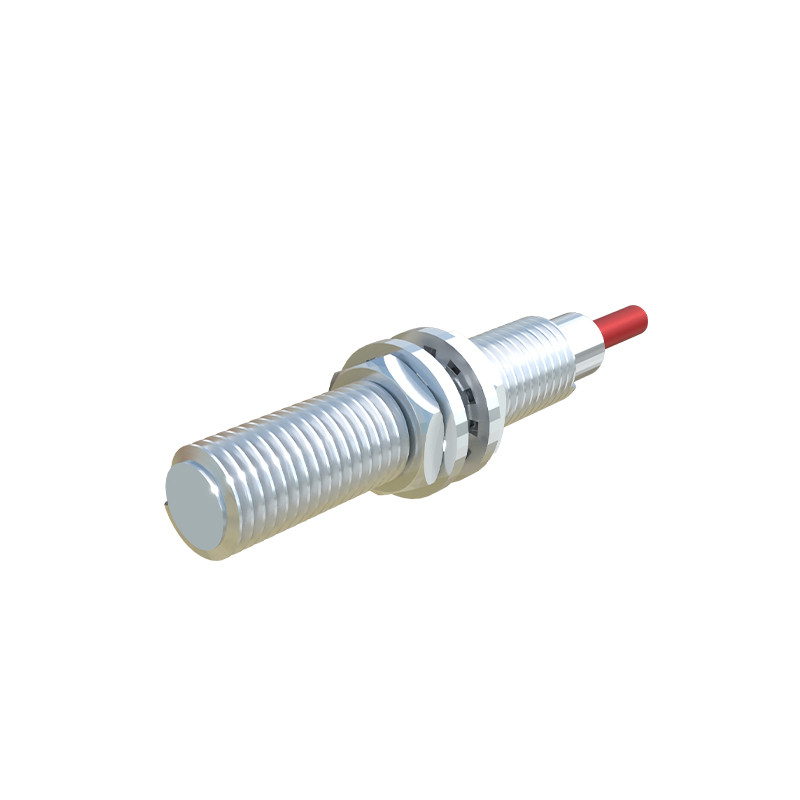
Furthermore, magnetic proximity sensors enable level detection and fluid control. In tanks containing liquids or granular materials, a float containing a magnet moves with the level. A sensor mounted on the outside of the tank wall detects the float's position, providing a contactless method to monitor fill levels without breaching the container's seal. This is crucial in chemical processing, water treatment, and food and beverage industries where hygiene and containment are paramount.
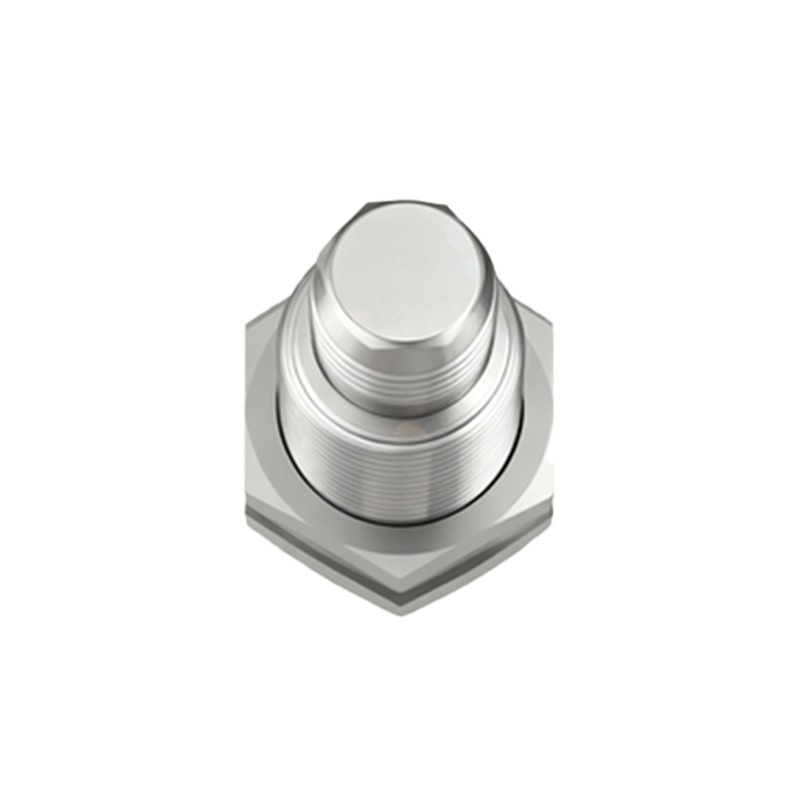
The versatility of magnetic sensors is amplified by their various types. Reed switch sensors are cost-effective for simple on/off detection. Hall-effect sensors offer high precision for speed and position, and can measure magnetic field strength. Magnetoresistive sensors provide extreme sensitivity for detecting very weak fields or minute movements. This variety allows engineers to select the perfect sensor for specific requirements regarding range, sensitivity, response speed, output type, and environmental resilience.
In summary, the fundamental function of a magnetic proximity sensor is to provide a reliable, non-contact interface between the physical movement of a magnetic target and an electronic control system. Their applications are vast, spanning from consumer electronics and automotive systems to heavy industry, robotics, and medical equipment. They enable automation, enhance safety, ensure precision, and contribute to the durability of countless systems by eliminating mechanical wear. As technology advances, these sensors continue to evolve, offering smarter, smaller, and more integrated solutions for an increasingly automated world.