In the world of industrial automation, robotics, and smart devices, the proximity sensor is a fundamental component. It silently performs the critical task of detecting the presence or absence of an object without physical contact. Whether you're an engineer designing a new assembly line, a startup founder building an innovative product, or a maintenance manager sourcing replacements, a common and crucial question arises: "Where do I find a reliable proximity sensor supplier?" The answer isn't as simple as picking the first name on a search engine results page. Selecting the right partner requires a strategic evaluation of several key factors.
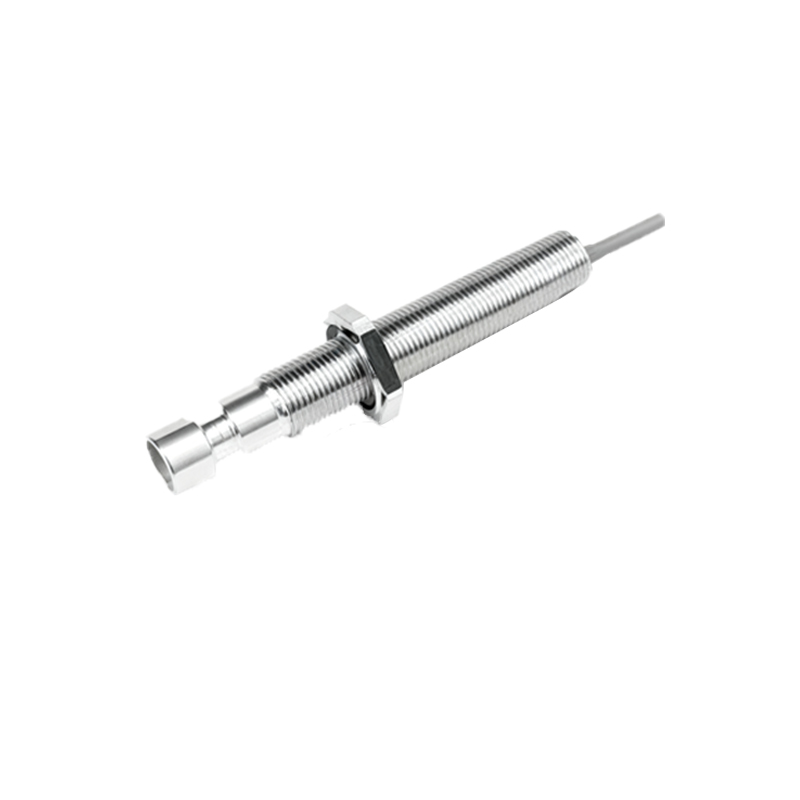
First and foremost, define your application requirements with precision. What type of sensing do you need? Inductive sensors detect metals, capacitive sensors handle non-metals like liquids or plastics, and photoelectric sensors use light beams for longer ranges. Understanding the required sensing distance, output type (PNP/NPN, analog, IO-Link), housing material (stainless steel, nickel-plated brass, PBT), and environmental conditions (temperature, washdown, chemical exposure) is the essential first step. A supplier with a broad portfolio can offer unbiased guidance on the best technology for your specific case, rather than pushing a limited product line.
Technical expertise and support are non-negotiable differentiators. A superior supplier doesn't just sell components; they provide solutions. Look for a company with readily available application engineers who can troubleshoot integration issues, help with wiring diagrams, and suggest optimal mounting configurations. Access to comprehensive, downloadable documentation—detailed datasheets, CAD models, manuals, and certificates—is a strong indicator of a professional and transparent operation. The ability to get technical questions answered promptly, before and after the sale, saves immense time and cost down the line.
Quality and reliability are the bedrock of industrial components. Investigate the supplier's commitment to these principles. Do they source from reputable manufacturers known for stringent quality control? Are the sensors certified to international standards (e.g., IEC, UL, CE)? Request information about mean time between failures (MTBF) and testing procedures. A supplier that offers robust warranties and stands behind their products demonstrates confidence in their quality. Remember, a slightly cheaper sensor that fails prematurely can cause catastrophic production downtime, far outweighing any initial savings.
Logistical capability is the engine of supply chain satisfaction. Evaluate the supplier's inventory depth and delivery consistency. Can they provide stock availability in real-time? Do they offer flexible shipping options to meet urgent deadlines? A reliable supplier maintains strategic stock levels of popular models and has efficient processes to handle both standard and custom orders. Furthermore, consider their global footprint if your operations are international; local distribution hubs can simplify logistics and reduce lead times.
Finally, assess the overall value proposition, which extends beyond the unit price. Consider the total cost of ownership, which includes factors like energy efficiency, longevity, and compatibility with your existing systems. Does the supplier offer volume discounts, consignment stock programs, or favorable contractual terms? A partnership-oriented supplier will work with you to create a sustainable procurement strategy. Also, check their industry reputation through customer testimonials, case studies, and professional reviews.
In conclusion, finding the right proximity sensor supplier is a deliberate process centered on your specific technical needs, supported by the supplier's expertise, guaranteed by their quality standards, and enabled by their operational reliability. It's about forging a partnership with a provider who acts as an extension of your team, ensuring that this small but vital component contributes seamlessly to the efficiency and innovation of your larger system. Take the time to research, ask detailed questions, and request samples for testing. The optimal supplier is one that provides not just a product, but confidence, support, and a pathway to your project's success.
