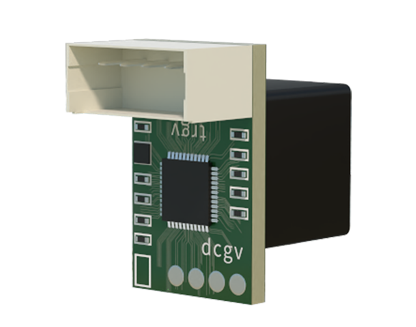
Laser sensors are critical components in modern industrial automation, offering high precision for measurement, detection, and positioning tasks. However, their performance and longevity can be compromised by environmental factors, mechanical stress, and operational misuse. Implementing effective protection strategies is essential to ensure reliability and reduce downtime in demanding settings.
First, environmental protection is paramount. Dust, moisture, and chemical exposure can damage optical surfaces and internal electronics. Enclosures rated IP65 or higher are recommended to shield sensors from particulate and liquid ingress. For harsh conditions, such as those found in metalworking or chemical plants, stainless steel housings with appropriate sealing provide added durability. Regular cleaning of lens surfaces using approved materials—like lint-free cloths and specialized cleaners—prevents buildup that could scatter or absorb laser beams, ensuring accurate readings.
Second, consider mechanical and thermal safeguards. Vibration and shock from machinery can misalign sensitive components, leading to measurement errors. Mounting sensors on stable, dampened platforms or using anti-vibration brackets minimizes these risks. Temperature fluctuations also affect laser output and sensor calibration. Operating within the specified temperature range—typically outlined in the sensor’s datasheet—is crucial. In extreme climates, auxiliary cooling or heating systems may be necessary to maintain optimal performance. Additionally, avoid direct physical impacts by installing protective barriers or guards in high-traffic areas.
Electrical protection is another key aspect. Voltage spikes, electromagnetic interference (EMI), and improper wiring can cause sensor failure. Use surge protectors and shielded cables to mitigate electrical noise. Ensure power supplies match sensor requirements, and implement grounding practices per industry standards. For networked sensors, employing isolation devices prevents cascading faults across systems. Regular inspection of connections helps identify wear or corrosion early.
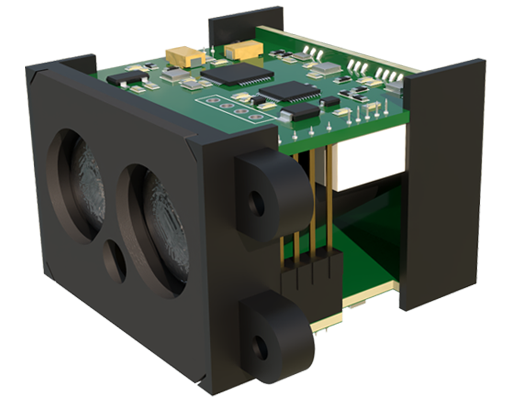
Operational practices also play a role. Follow manufacturer guidelines for installation, calibration, and maintenance. Avoid pointing lasers at reflective surfaces unnecessarily, as backscatter can harm the sensor or reduce accuracy. Implement software-based monitoring to track performance trends and alert operators to anomalies, enabling proactive interventions. Training personnel on proper handling and troubleshooting reduces human error.
In summary, protecting laser sensors involves a holistic approach: selecting robust hardware, mitigating environmental and electrical hazards, and adhering to best practices. By investing in these measures, industries can enhance sensor lifespan, maintain precision, and support seamless automation processes. As technology advances, integrating smart diagnostics and adaptive protections will further bolster resilience in complex applications.