Proximity sensors are integral components in modern industrial automation, offering non-contact detection of objects with high precision and reliability. As an electrical engineer with years of experience in sensor applications, I’ve encountered numerous design challenges that require a systematic approach to ensure optimal performance. This article outlines key design considerations and practical strategies for implementing proximity sensors in real-world scenarios, focusing on inductive, capacitive, and ultrasonic types.
The first step in any proximity sensor design is understanding the operational environment. Factors such as temperature fluctuations, humidity, electromagnetic interference (EMI), and physical obstructions can significantly impact sensor accuracy. For instance, in a manufacturing plant with heavy machinery, inductive sensors are often preferred for metal detection due to their immunity to environmental contaminants like dust or oil. However, in applications involving non-metallic materials—such as plastic or glass—capacitive sensors prove more effective. Engineers must conduct a thorough site assessment to select the appropriate sensor type, considering the target material’s properties and the required sensing range.
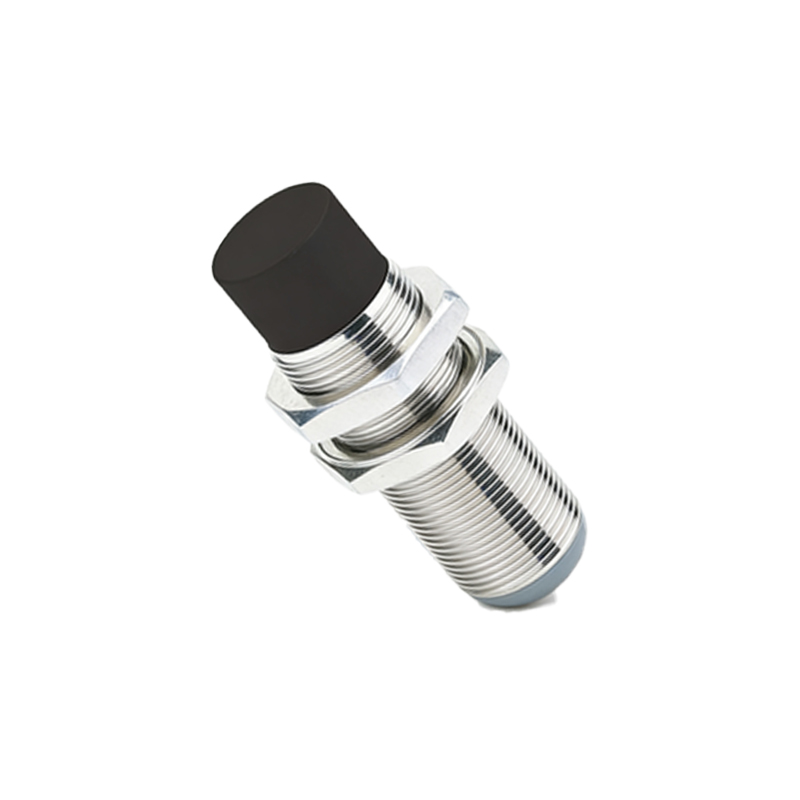
Another critical aspect is the integration of sensors into control systems. Proximity sensors typically interface with programmable logic controllers (PLCs) or microcontrollers, requiring careful attention to wiring, signal conditioning, and power supply stability. In one case study from an automotive assembly line, we faced intermittent false triggers due to voltage drops in the sensor circuit. By implementing shielded cables and adding surge protection devices, we reduced EMI and stabilized the output signal, enhancing system reliability. Additionally, calibrating the sensor’s hysteresis—the difference between activation and deactivation points—helps prevent chatter in dynamic environments where objects move rapidly.
Mounting and alignment also play a vital role in design success. Improper installation can lead to reduced sensing distances or missed detections. For example, in a packaging application where sensors detect carton positions, we used adjustable brackets to fine-tune the sensor angle, ensuring consistent readings despite conveyor belt vibrations. It’s advisable to follow manufacturer guidelines for mounting clearances and avoid placing sensors near reflective surfaces that could cause interference, especially with ultrasonic models.
Maintenance and diagnostics should not be overlooked in the design phase. Incorporating LED indicators or diagnostic outputs allows for quick troubleshooting, minimizing downtime in production lines. In a recent project for a food processing facility, we integrated sensors with IoT-enabled monitoring systems that provided real-time data on sensor health, enabling predictive maintenance and reducing unexpected failures.
Finally, cost-effectiveness and scalability are essential for long-term viability. While high-end sensors offer advanced features like analog outputs or custom programmability, simpler models may suffice for basic applications. Engineers should balance performance requirements with budget constraints, considering future expansions. For instance, designing modular sensor arrays can facilitate easy upgrades without overhauling entire systems.
In conclusion, a successful proximity sensor design hinges on a holistic approach that combines technical knowledge with practical insights. By prioritizing environmental adaptability, system integration, precise installation, and proactive maintenance, engineers can develop robust solutions that enhance automation efficiency and reliability across diverse industries.