In the realm of electrical engineering, proximity and attitude sensors have emerged as pivotal components, driving advancements in automation, robotics, and smart systems. A proximity sensor is a device that detects the presence or absence of an object within a specific range without physical contact, utilizing technologies such as inductive, capacitive, ultrasonic, or optical methods. These sensors are integral to applications like assembly line automation, where they ensure precise positioning of components, or in safety systems, where they prevent collisions in machinery. On the other hand, an attitude sensor, often referred to as an orientation or inclination sensor, measures the angular position or tilt of an object relative to the Earth's gravitational field or a reference axis. Common types include accelerometers, gyroscopes, and magnetometers, which are frequently combined in inertial measurement units (IMUs) to provide comprehensive spatial data.
The synergy between proximity and attitude sensors enhances functionality in complex systems. For instance, in autonomous vehicles, proximity sensors detect obstacles and other vehicles, while attitude sensors monitor the vehicle's pitch, roll, and yaw to maintain stability. Similarly, in industrial robotics, proximity sensors guide robotic arms to avoid unintended contact, and attitude sensors ensure accurate movement and alignment. The integration of these sensors relies on sophisticated signal processing and data fusion algorithms, enabling real-time responses and high precision.
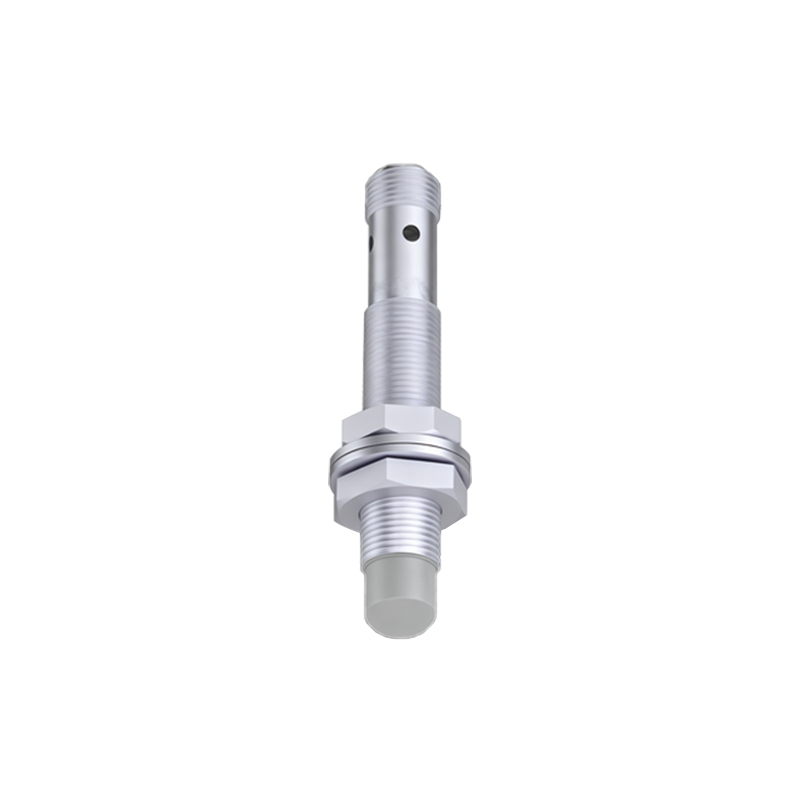
From a technical perspective, the selection of sensor type depends on environmental factors, range requirements, and cost considerations. Inductive proximity sensors are ideal for metallic objects in harsh industrial settings, while capacitive variants can detect non-metallic materials. Ultrasonic sensors excel in long-range detection, and optical sensors offer high resolution for detailed applications. For attitude sensing, MEMS-based sensors have become popular due to their compact size, low power consumption, and affordability, making them suitable for consumer electronics like smartphones and wearables.
In practice, engineers must address challenges such as interference, calibration, and durability. Proximity sensors may be affected by electromagnetic noise or material properties, requiring shielding or adaptive thresholds. Attitude sensors can drift over time, necessitating periodic calibration or fusion with GPS data for accuracy. Moreover, in extreme conditions like high temperatures or vibrations, robust designs and materials are essential to ensure reliability.
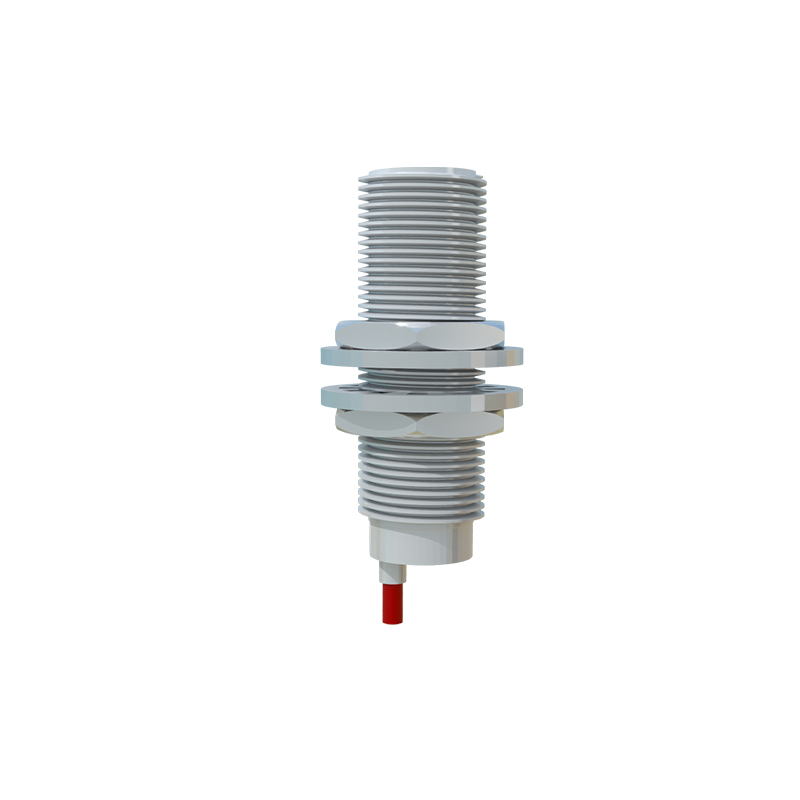
Looking ahead, trends in IoT and Industry 4.0 are pushing the boundaries of sensor technology. Wireless connectivity and AI-driven analytics allow for predictive maintenance and enhanced automation. For example, smart factories use networked proximity and attitude sensors to optimize production lines, reduce downtime, and improve safety. As electrical engineering evolves, these sensors will continue to play a crucial role in enabling smarter, more efficient systems across diverse sectors, from healthcare to aerospace.