In the dynamic landscape of modern steel production, laser sensors have emerged as pivotal tools, driving unprecedented levels of precision, efficiency, and safety. These advanced optical devices utilize laser technology to perform critical measurements and monitoring tasks in harsh industrial environments, where traditional sensors often fall short. By emitting focused light beams and analyzing reflected signals, laser sensors provide real-time data on parameters such as temperature, thickness, surface quality, and positioning, enabling steelmakers to optimize operations and enhance product quality.
One of the primary applications of laser sensors in steelmaking is in continuous casting processes. Here, they are employed to measure the thickness and width of slabs or billets with micron-level accuracy. This ensures dimensional consistency and minimizes material waste, directly impacting cost-effectiveness. Additionally, laser-based temperature sensors, such as pyrometers, monitor molten steel temperatures in ladles and tundishes without physical contact, preventing contamination and allowing for precise thermal control during casting. This is crucial for achieving desired metallurgical properties and reducing energy consumption.
In rolling mills, laser displacement sensors play a vital role in gauging strip thickness and flatness. By continuously scanning the steel surface, they detect deviations that could lead to defects, enabling immediate adjustments to rolling parameters. This not only improves product uniformity but also extends equipment lifespan by preventing mechanical stress. Furthermore, laser sensors are integral to automation systems, facilitating robotic guidance for tasks like cutting, welding, and inspection. Their high-speed response and reliability support seamless integration with Industry 4.0 initiatives, fostering smart manufacturing environments.
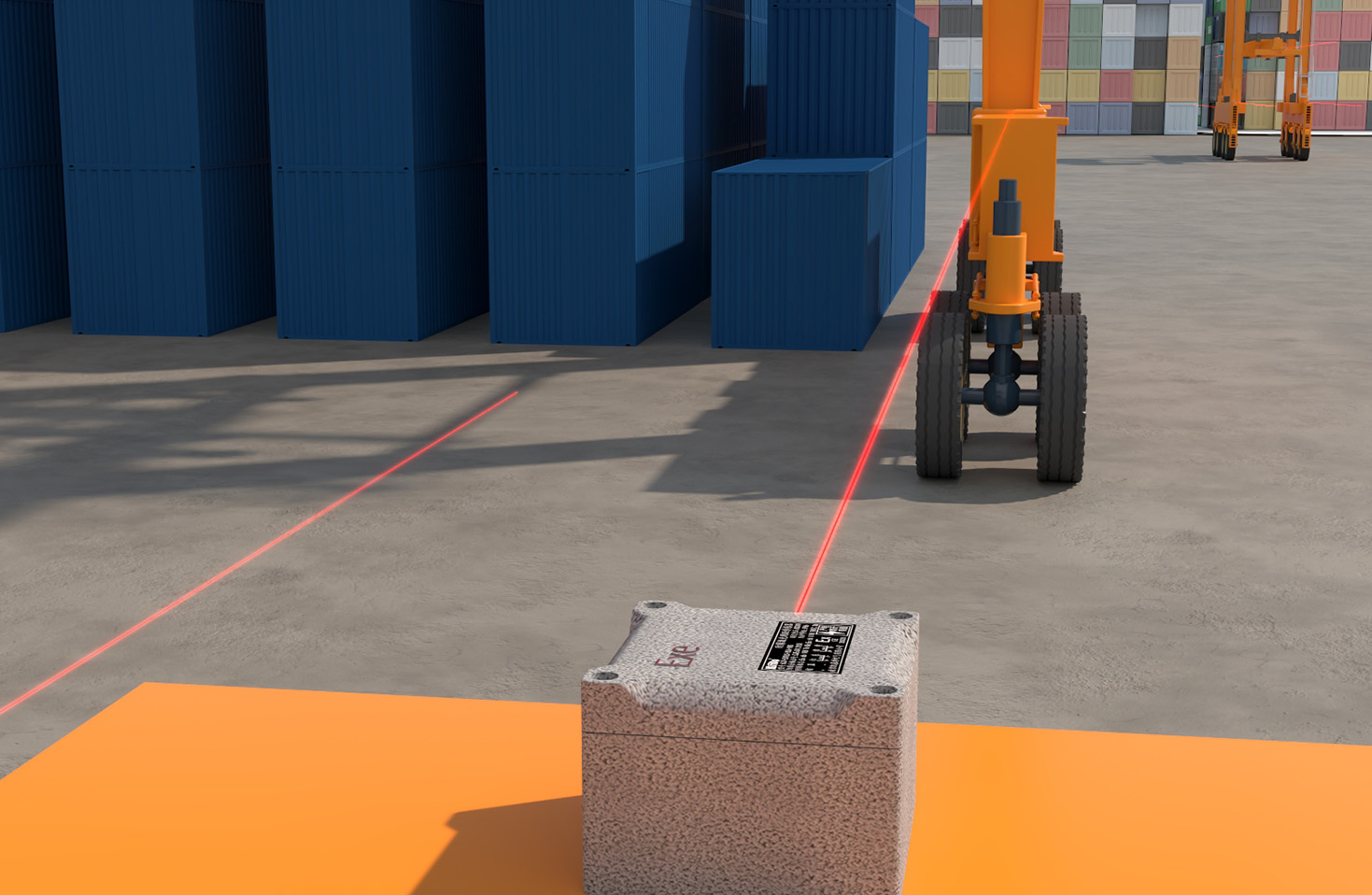
Safety is another area where laser sensors excel. In hazardous zones with high temperatures and toxic emissions, they enable remote monitoring, reducing human exposure. For instance, laser scanners are used to create safety perimeters around machinery, detecting intrusions and triggering shutdowns to prevent accidents. This aligns with stringent occupational health standards and enhances overall plant safety culture.
Despite their advantages, implementing laser sensors in steel plants requires careful consideration. Factors like dust, steam, and vibrations can interfere with laser beams, necessitating robust housing and calibration. However, ongoing advancements in sensor design, such as enhanced signal processing and adaptive algorithms, are mitigating these challenges. As the steel industry evolves toward sustainability and digitalization, laser sensors will continue to be at the forefront, enabling greener and more efficient production methods. In summary, the integration of laser technology into steelmaking not only refines operational accuracy but also paves the way for innovative, data-driven manufacturing solutions.