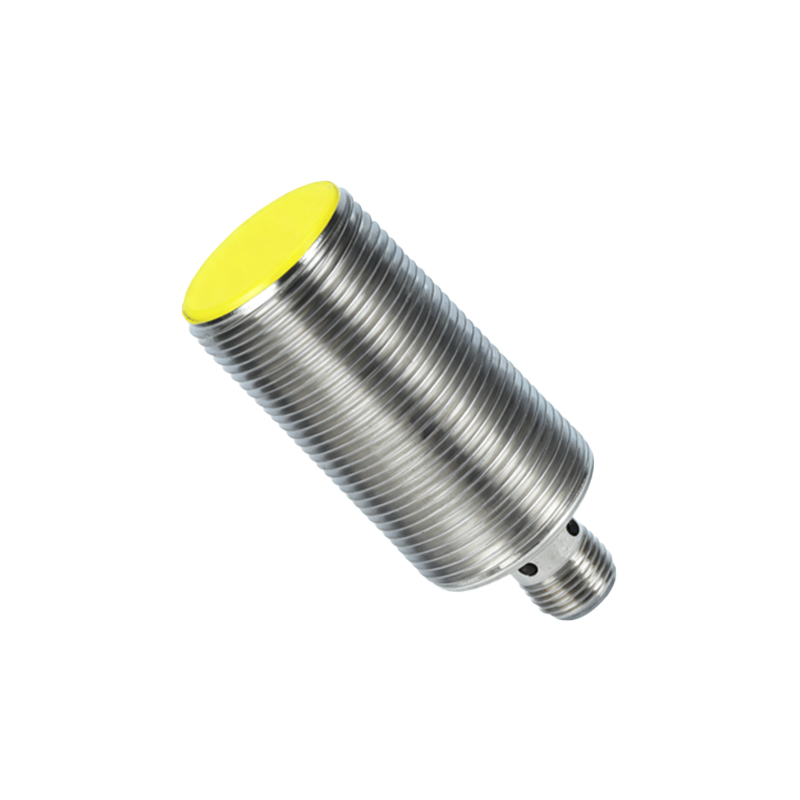
In modern industrial automation, precise length measurement is a critical parameter across numerous processes, from wire and cable manufacturing to textile production and metal strip processing. Among the various technologies employed for this task, proximity switch-based length measurement sensors, often referred to as "measuring wheel sensors" or "encoder-based length meters," stand out for their robustness, reliability, and high accuracy. This article delves into the operational principles, key configurations, advantages, and typical application scenarios of these indispensable industrial devices.
At its core, a proximity switch length measurement system integrates a mechanical measuring wheel, a rotary encoder, and a proximity sensor or a dedicated electronic counter/display unit. The wheel, typically made of durable rubber or polyurethane to prevent slippage and material damage, is placed in direct contact with the moving product—be it a cable, fabric, or sheet. As the material moves linearly, it drives the rotation of the measuring wheel. A shaft connected to this wheel is coupled to a rotary encoder. The proximity switch, often an inductive or magnetic type, is positioned to detect specific markers on the rotating shaft or a dedicated pulse wheel. Each rotation or each detected marker generates a precise electrical pulse.
The fundamental principle is based on a simple relationship: Length = Number of Pulses × Circumference of the Measuring Wheel. The rotary encoder or the pulse detection system generates a set number of pulses per revolution (PPR). The system's electronic counter accumulates these pulses. Knowing the exact circumference of the measuring wheel (π × diameter), the processor calculates the total linear length that has passed. Modern versions often feature microprocessors that allow for easy calibration by inputting the wheel's exact diameter or a calibration factor, compensating for wear over time.
There are several common configurations. The simplest form uses a proximity sensor (e.g., an inductive sensor detecting a metal tab on the shaft) to count revolutions. More advanced and accurate systems integrate a built-in incremental rotary encoder directly into the sensor housing, providing a much higher pulse count per revolution for superior resolution. These are frequently called "measuring wheel encoders" or "length measurement encoders." The output can be in the form of simple switch signals (NPN/PNP), pulse trains (A/B phase for direction), or even direct digital communication via interfaces like SSI, Profibus, or IO-Link for integration into PLC systems.
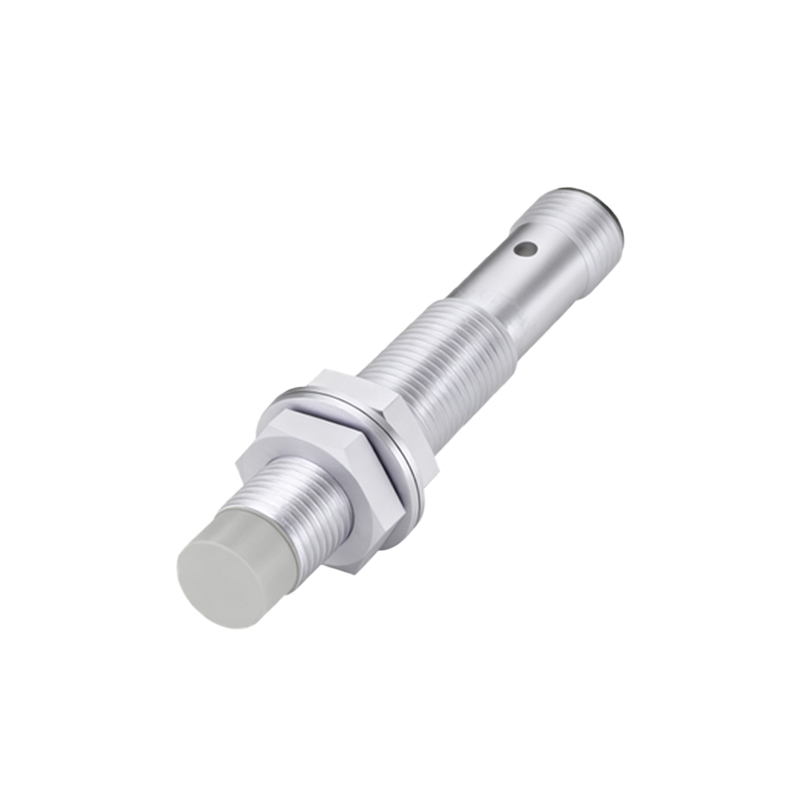
The advantages of using proximity switch-based length measurement sensors are manifold. Firstly, they offer non-contact measurement relative to the material being measured; the sensing is on the rotating shaft, not the product itself, making it suitable for delicate surfaces. They provide high accuracy and repeatability, often within ±0.1% of the measured value or better, depending on wheel condition and system resolution. Their mechanical simplicity translates to high durability and resilience in harsh industrial environments characterized by dust, moisture, and vibration. They are relatively cost-effective compared to laser or vision-based systems and are easy to install and maintain. Furthermore, they provide real-time measurement data crucial for process control, cutting-to-length applications, and production reporting.
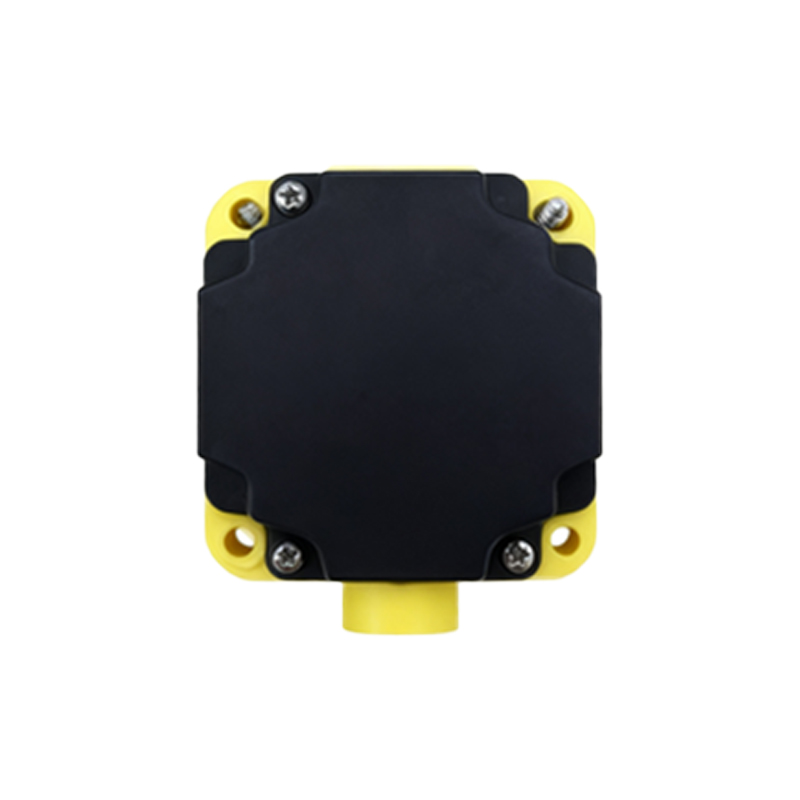
Typical industrial applications are widespread. In wire and cable industries, they measure the length of extruded cables for cutting, coiling, and inventory control. In textile and converting machinery, they control the length of fabrics, papers, and plastic films for slitting, printing, and packaging. In metalworking, they measure the feed length of bars, tubes, and strips. They are also integral to printing machines for web length control and to lumber processing for board measurement.
Key considerations for optimal performance include selecting the correct measuring wheel material to ensure sufficient traction without damaging the product, maintaining consistent wheel pressure to avoid slippage, and performing regular calibration to account for wheel wear. Environmental factors like temperature fluctuations that might affect wheel dimensions should also be considered for high-precision tasks.
In conclusion, proximity switch-based length measurement sensors represent a mature, proven, and highly effective technology for continuous linear length measurement in industrial settings. Their blend of mechanical simplicity, electronic sophistication, and environmental robustness ensures they remain a cornerstone solution for countless automation and quality control processes where precise length data is paramount.