Single-line laser sensors, also known as line laser sensors or laser profile sensors, represent a critical advancement in industrial automation and precision measurement. Unlike traditional point laser sensors that emit a single dot, these devices project a thin, fan-shaped laser line onto a target surface. This line is then captured by a high-resolution CMOS or CCD camera within the sensor. Any variation in the height or contour of the object causes distortion in the projected laser line. Sophisticated triangulation algorithms analyze this distortion in real-time to generate highly accurate 2D or 3D profile data, including dimensions, height, width, and surface defects.
The core technology hinges on optical triangulation. The laser emitter, camera, and measurement point form a triangle. The precise angle and baseline distance between the laser and the camera are factory-calibrated. When the laser line strikes an object, its position on the camera's sensor shifts proportionally to the object's height. This displacement is calculated to determine exact distance or profile information. Modern sensors integrate powerful processors to handle this computation onboard, outputting streamlined data via interfaces like Ethernet/IP, PROFINET, EtherCAT, or analog/digital I/O.
Applications for single-line laser sensors are vast and transformative. In automotive manufacturing, they perform 100% inline inspection of weld seam quality, gap and flush measurement on body panels, and tire tread depth analysis. In electronics, they verify component coplanarity (e.g., BGA balls), measure solder paste height, and inspect PCB warpage. The packaging industry relies on them for fill level control, cardboard box dimensioning, and seal integrity checks. Furthermore, they are indispensable in logistics for parcel dimensioning and volume calculation, and in robotics for precise bin-picking guidance and assembly verification.
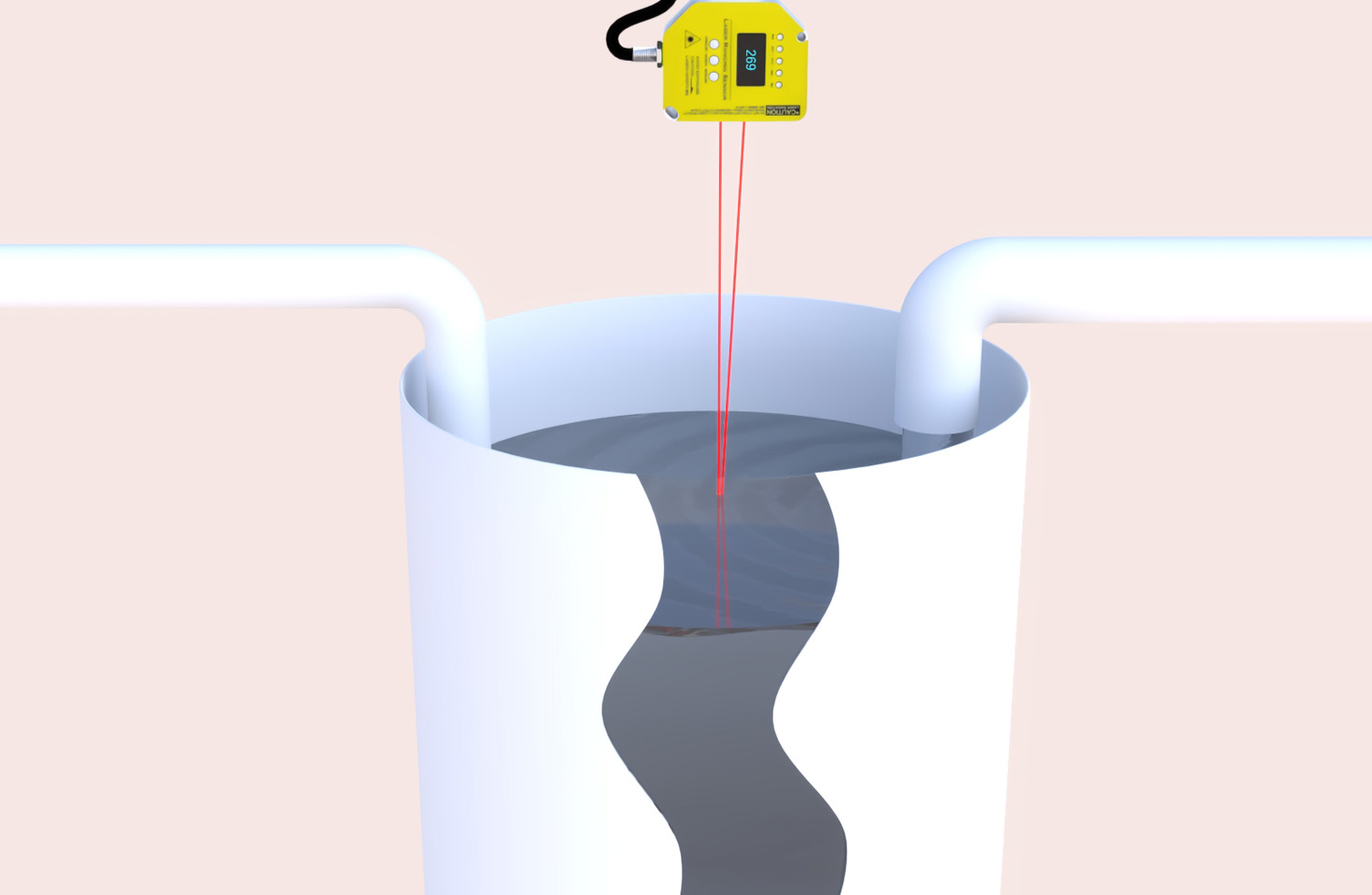
Selecting the appropriate single-line laser sensor requires careful consideration of several technical parameters. Measurement range and standoff distance define the operational envelope. Resolution and repeatability, often in micron levels, determine the finest detail detectable. The laser's wavelength (typically red or blue) affects performance on different materials; blue lasers offer better performance on shiny or organic surfaces. Scan rate, measured in Hertz, dictates the maximum speed of objects passing the sensor. Environmental ratings (IP67/IP69K) are crucial for harsh conditions involving dust, moisture, or washdowns. Finally, the choice of software and communication protocol must align with the existing factory network and data analysis systems.
In conclusion, the single-line laser sensor is a versatile and powerful tool that bridges the gap between physical objects and digital control systems. Its ability to deliver non-contact, high-speed, and high-accuracy profile data makes it a cornerstone of modern quality control, robotic guidance, and process automation. As machine vision and Industry 4.0 evolve, these sensors will continue to see enhanced capabilities in speed, precision, and embedded intelligence, driving further efficiencies across countless industrial sectors.