In the demanding environment of maritime operations, reliability and precision are non-negotiable. Marine proximity switch sensors stand as silent sentinels, playing a critical role in ensuring vessel safety, operational efficiency, and the seamless automation of complex systems. Unlike their industrial counterparts, these sensors are engineered to withstand the unique and harsh conditions at sea, including constant vibration, extreme temperature fluctuations, corrosive saltwater exposure, and high levels of humidity. Their fundamental purpose is to detect the presence or absence of a target object without physical contact, providing crucial data to a vessel's control and monitoring systems.
The operational principle of these sensors is typically based on electromagnetic, inductive, or capacitive technologies. Inductive sensors, for instance, are predominantly used to detect metallic targets. They generate an oscillating electromagnetic field; when a metallic object enters this field, it induces eddy currents that dampen the oscillation, triggering a switch signal. This makes them ideal for monitoring positions of hatches, valves, crane hooks, and door statuses. Capacitive sensors can detect both metallic and non-metallic materials, such as liquids or plastics, and are often employed in level detection applications for tanks containing fuel, ballast water, or lubricants.
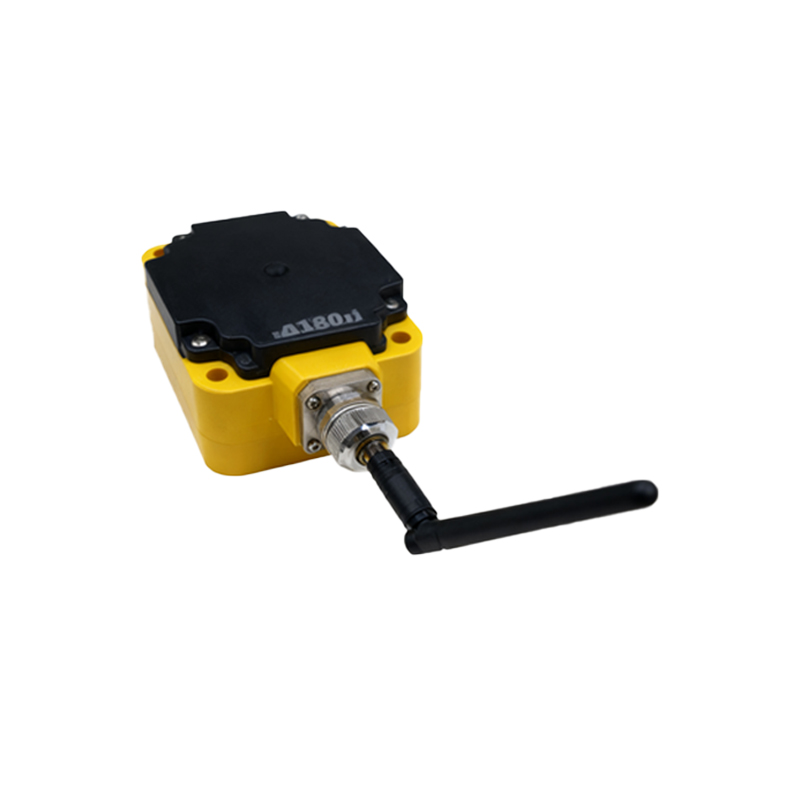
The design and construction of marine-grade proximity sensors adhere to stringent international standards. Key among these is ingress protection, commonly rated at IP67 or higher, ensuring complete protection against dust ingress and the ability to withstand temporary immersion in water. Furthermore, materials like marine-grade stainless steel (AISI 316L) and specialized coatings are standard to combat corrosion. Certification from classification societies such as DNV, ABS, Lloyd's Register, or Bureau Veritas is often mandatory, verifying that the sensors meet rigorous safety, environmental, and performance criteria for marine use.
Integration into a vessel's architecture is a sophisticated process. These sensors form the foundational layer of the "Internet of Things" (IoT) onboard, feeding real-time data into Programmable Logic Controllers (PLCs), Distributed Control Systems (DCS), and ultimately to the bridge or engine control room. For example, in engine room automation, proximity sensors monitor the position of critical actuators for fuel injection or exhaust valve control. In cargo handling, they ensure container locking mechanisms are securely engaged. In safety systems, they confirm the closed status of watertight doors or fire dampers, directly contributing to the vessel's overall safety management system (SMS).
The benefits of deploying robust marine proximity sensors are multifaceted. Primarily, they enhance safety by providing fail-safe monitoring of essential functions, preventing equipment damage and potential accidents. They significantly boost operational efficiency through automation, reducing the need for manual checks and enabling predictive maintenance schedules by tracking component wear and tear. This leads to decreased downtime and lower lifecycle costs. Moreover, the data collected aids in compliance with increasingly strict environmental regulations by optimizing engine performance and cargo operations.
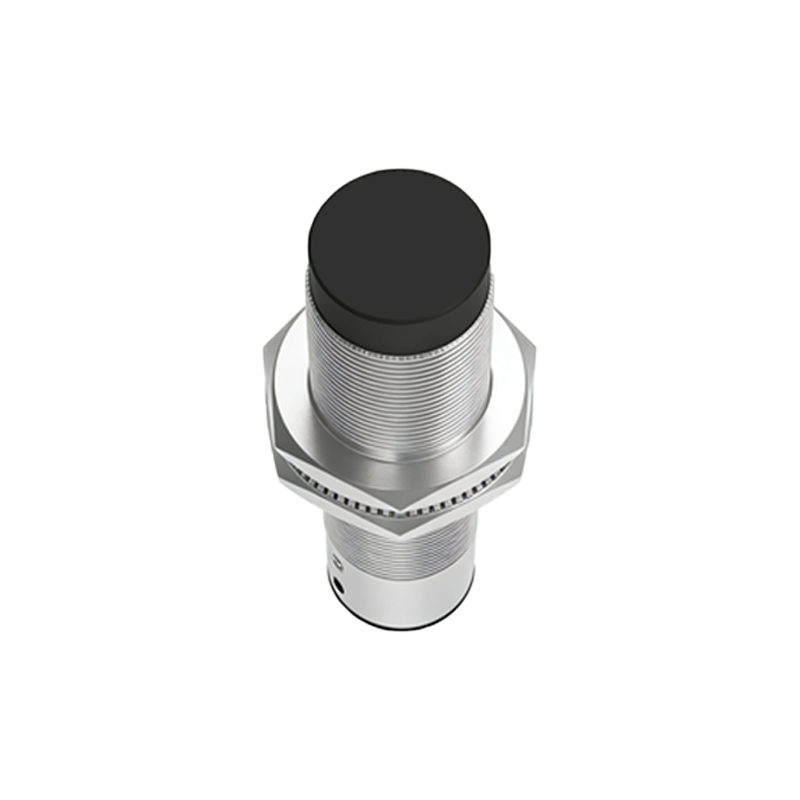
However, selecting the right sensor requires careful consideration of several application-specific parameters. Engineers must evaluate the sensing distance, target material, required output type (e.g., NPN/PNP, NO/NC), operating voltage, and temperature range. The installation environment—whether it's in an explosive atmosphere (requiring ATEX or IECEx certification), on a moving deck subject to shock, or submerged—dictates the necessary housing and protection features.
Looking ahead, the evolution of marine proximity sensors is intertwined with the industry's push towards autonomous and "smart" shipping. Future iterations will likely feature enhanced diagnostic capabilities, wireless connectivity for easier installation in retrofits, and even greater resilience. They will be integral nodes in a fully digitalized vessel network, communicating not just state changes but also health status, enabling truly condition-based maintenance.
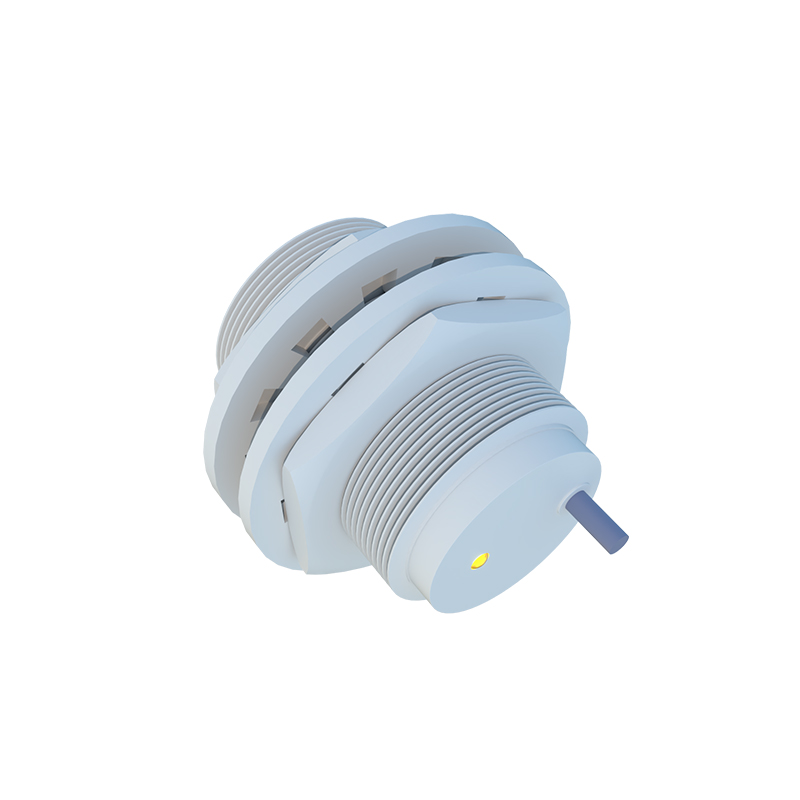
In conclusion, marine proximity switch sensors are far more than simple switches. They are sophisticated, hardened components that form the sensory nervous system of a modern vessel. Their unwavering performance under duress is fundamental to safe navigation, efficient cargo handling, and the reliable operation of propulsion and auxiliary systems. For marine engineers and system integrators, a deep understanding of their technology, selection criteria, and integration pathways is essential for designing vessels that are safe, efficient, and ready for the future of maritime transport.