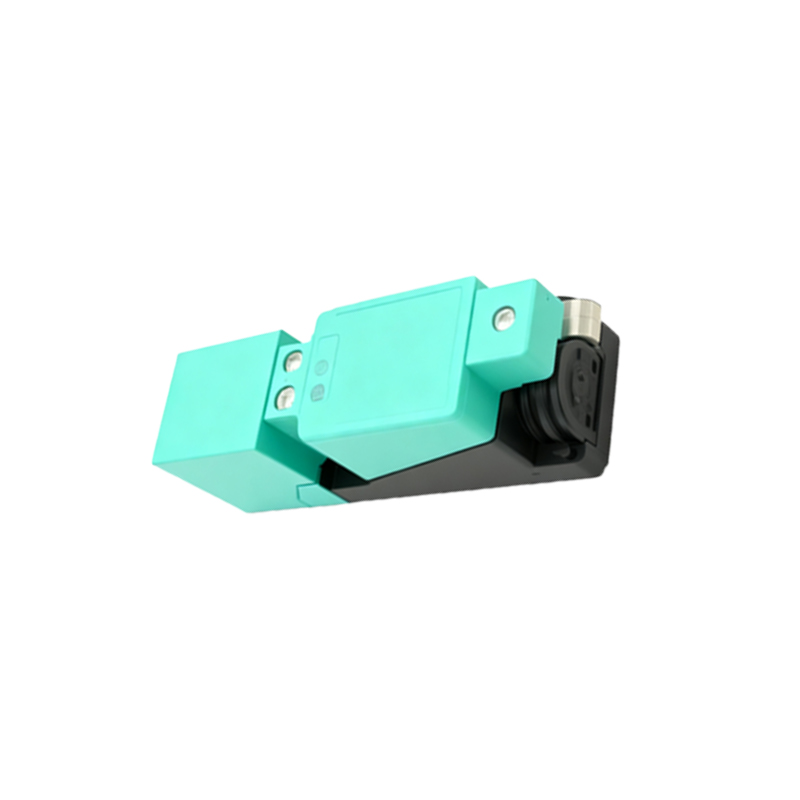
Proximity sensors are indispensable components in modern industrial automation, enabling non-contact detection of objects with high precision and reliability. As an electrical engineer with over 15 years of experience in industrial systems, I often encounter questions about the cost of these sensors. The price of a proximity sensor is not a fixed number; it varies significantly based on technology, specifications, and application requirements. Understanding these factors is crucial for making informed purchasing decisions that balance performance and budget.
First, let's examine the core technologies and their typical price ranges. Inductive proximity sensors, commonly used for detecting metallic objects, are among the most affordable options. Basic shielded inductive sensors with standard sensing ranges (e.g., 2–8 mm) typically cost between $20 and $60 per unit. Unshielded models may be slightly cheaper but offer less precision. Capacitive sensors, capable of detecting both metallic and non-metallic materials like plastics or liquids, generally range from $30 to $80. For longer-range detection, ultrasonic sensors are preferred, with prices starting around $50 and going up to $200 or more for high-accuracy models. Photoelectric sensors, which use light beams for detection, vary widely: basic diffuse-reflective types cost $25–$70, while advanced fiber-optic or laser models can exceed $300. Magnetic proximity sensors, often used in harsh environments, are relatively low-cost, averaging $15–$40.
Beyond technology, several key factors influence pricing. Sensing range is a primary determinant—a sensor with a 20 mm range may cost 30–50% more than a 5 mm equivalent. Housing material also matters: stainless steel or nickel-plated brass housings (priced $40–$100) offer better durability than plastic ($20–$50) but come at a premium. Output configuration (e.g., NPN vs. PNP, analog vs. digital) and connection types (e.g., cable exit, M12 connector) add complexity and cost. For instance, a sensor with a 4–20 mA analog output may cost $10–$30 more than a basic digital switch. Environmental ratings like IP67 or IP69K for water and dust resistance, or certifications for explosive atmospheres (ATEX), can increase prices by 20–40%. Brand reputation plays a role too: established manufacturers like Omron, Siemens, or Pepperl+Fuchs charge 10–30% more than generic brands, but they often provide better reliability and support.
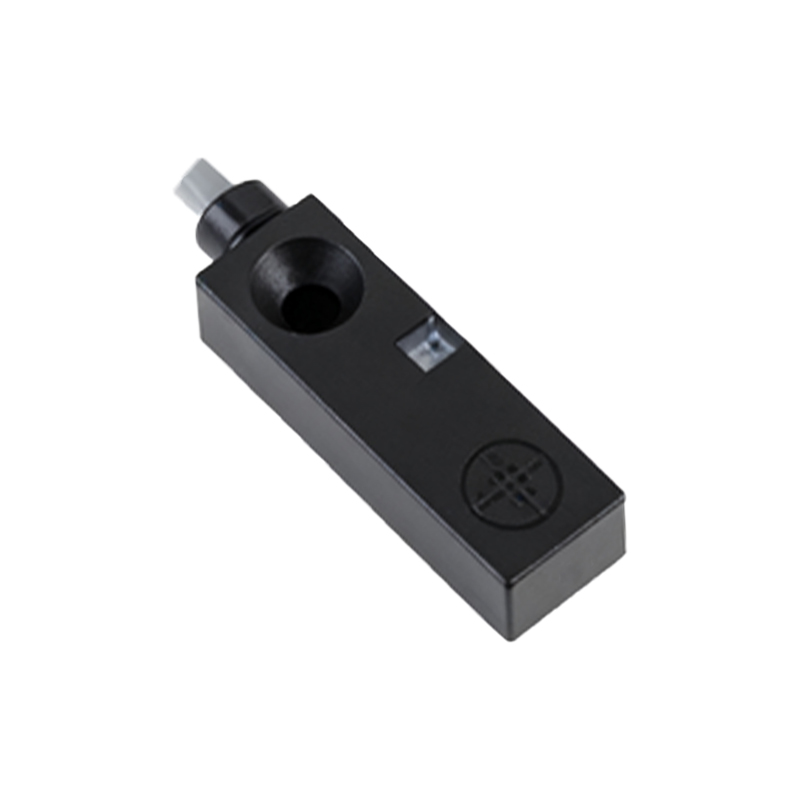
In industrial procurement, volume discounts are common. Ordering 100 units might reduce per-unit costs by 15–25%, while bulk purchases of 500+ units could yield savings of 30–50%. However, hidden costs must be considered. Installation expenses, including mounting hardware and labor, can add $10–$30 per sensor. Maintenance and calibration, especially for high-precision sensors, may incur annual costs of 5–10% of the initial price. For specialized applications—such as food-grade sensors with hygienic designs or high-temperature variants for foundries—prices can double or triple. For example, a standard inductive sensor might cost $50, but a food-safe version with FDA-compliant materials could exceed $120.
To optimize spending, engineers should align sensor selection with application needs. In a conveyor system detecting metal parts, a mid-range inductive sensor ($40–$60) suffices, whereas a bottling plant requiring liquid-level detection might invest in capacitive sensors ($60–$90). Always request detailed quotes from suppliers, comparing not just unit prices but also warranty terms and lead times. As Industry 4.0 advances, smart sensors with IO-Link or Ethernet connectivity are becoming popular, though they command a premium of 20–50% over standard models. Ultimately, the "right" price balances upfront costs with long-term value, ensuring minimal downtime and consistent performance in demanding industrial environments.