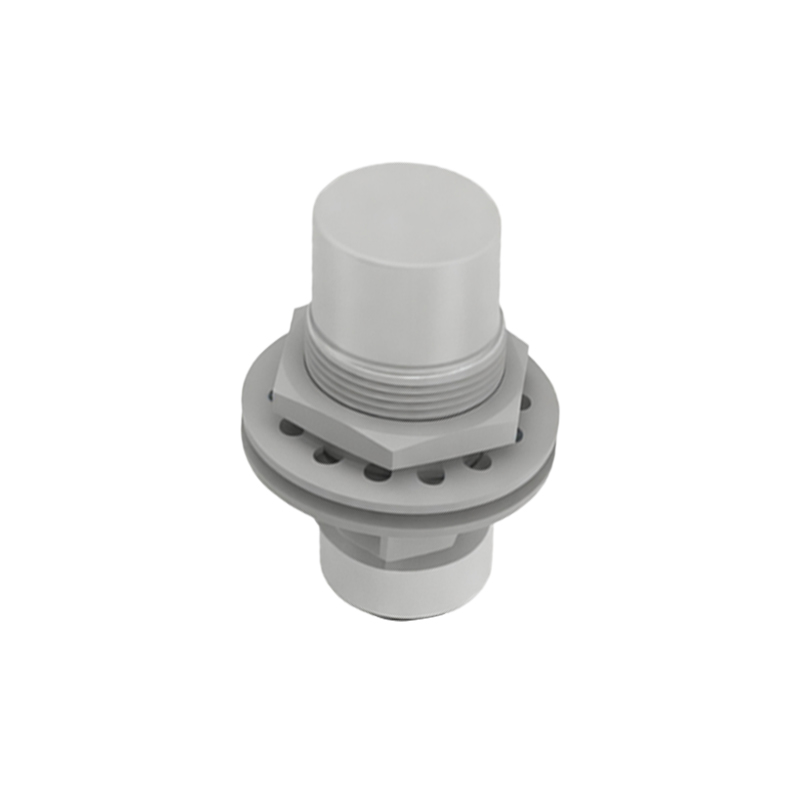
Proximity sensors are critical components in modern industrial automation, providing non-contact detection of metallic or non-metallic objects. The reliability of these sensors heavily depends on proper signal wiring practices, which ensure accurate signal transmission, minimize electrical noise interference, and extend equipment lifespan. This article outlines essential guidelines for wiring proximity sensor signals in industrial environments.
Signal wiring begins with selecting the appropriate cable type. Shielded cables are highly recommended for proximity sensor connections, especially in environments with high electromagnetic interference (EMI). The shielding, typically made of braided copper or aluminum foil, acts as a barrier against external noise that could distort the sensor's output signal. For analog sensors transmitting variable signals, twisted-pair cables with shielding provide additional protection by canceling out induced noise through the twisting of conductors. Cable length also plays a crucial role; excessive length can lead to signal attenuation and increased susceptibility to interference. Always adhere to the manufacturer's specified maximum cable distance, usually ranging from 100 to 500 meters depending on sensor type and output.
Wiring connections must be secure and corrosion-resistant. Use crimped or soldered terminals to attach wires to the sensor's output pins, ensuring a stable electrical contact. Loose connections can cause intermittent signal loss or generate heat due to increased resistance. For sensors with quick-disconnect connectors, verify that the mating is firm and the locking mechanism is engaged. When routing signal cables, maintain a minimum distance of at least 15 centimeters from power cables, motor drives, or high-frequency devices to prevent capacitive or inductive coupling. If crossing power lines is unavoidable, do so at a 90-degree angle to reduce the area of interference.
Grounding is a fundamental aspect of signal integrity. Proper grounding of the sensor's shield drain wire at a single point—typically at the control panel end—prevents ground loops that introduce hum or noise. Avoid grounding both ends of the shield, as this can create circulating currents that degrade signal quality. The ground point should connect to a clean earth ground, separate from noisy grounds like those used for motor frames. For DC sensors, ensure the power supply ground is stable and shared with the controller's input module to maintain a common reference voltage.
Environmental factors must not be overlooked. In areas with high vibration, use strain relief mechanisms such as cable glands or clamps near the sensor housing to prevent wire fatigue and breakage. For wet or corrosive settings, select cables with appropriate ingress protection (IP) ratings and consider conduit or trunking for added defense. Regular inspection of wiring for abrasion, cuts, or chemical damage helps preempt failures. Additionally, labeling signal wires at both ends simplifies troubleshooting and maintenance, reducing downtime during repairs.
Testing and validation complete the wiring process. After installation, measure the signal voltage or current at the controller to confirm it matches the sensor's specified output range under normal operating conditions. Use an oscilloscope to check for noise spikes or signal distortion, particularly in critical applications like precision positioning or high-speed counting. Implementing surge protection devices, such as transient voltage suppressors, can safeguard sensors from voltage spikes caused by lightning or switching of inductive loads.
In summary, meticulous attention to signal wiring enhances the performance and durability of proximity sensors in industrial systems. By following these best practices—choosing suitable cables, securing connections, managing grounding, protecting against environmental hazards, and conducting thorough testing—engineers can achieve reliable automation processes with minimal disruption. As technology advances, adhering to robust wiring standards remains a cornerstone of operational efficiency and safety.