In the realm of automation and robotics, precision and safety are paramount. Servo proximity sensors have emerged as critical components that bridge the gap between motion control and environmental awareness, enabling systems to operate with heightened accuracy and reliability. Unlike traditional limit switches or basic sensors, these specialized devices integrate seamlessly with servo mechanisms to provide real-time feedback on the presence or absence of objects within a defined range, without physical contact.
The core principle behind a servo proximity sensor lies in its ability to detect objects through various methods, such as inductive, capacitive, or ultrasonic sensing. Inductive sensors, for instance, are ideal for metallic targets, generating an electromagnetic field that reacts to metal objects. Capacitive sensors can detect both metallic and non-metallic materials by measuring changes in capacitance. Ultrasonic sensors use sound waves to gauge distance, offering versatility in diverse environments. When paired with a servo motor—a device known for its precise angular or linear position control—the sensor provides actionable data that dictates the servo's movement. This synergy allows for adaptive operations, such as stopping a robotic arm before collision, aligning components in assembly lines, or ensuring safe human-robot interaction in collaborative workspaces.
Applications of servo proximity sensors span numerous industries. In manufacturing, they facilitate intricate tasks like pick-and-place operations, where sensors detect component positions and guide servo-driven arms to exact locations, minimizing errors and boosting throughput. Automotive assembly lines rely on these sensors for quality control, verifying part placement before welding or fastening. In consumer electronics, they enable features like automatic door opening in appliances or touchless interfaces, enhancing user convenience. Moreover, the rise of Industry 4.0 and smart factories has amplified their importance, as sensors feed data into IoT networks for predictive maintenance and optimized workflows.
Key advantages of using servo proximity sensors include improved efficiency, reduced downtime, and enhanced safety. By preventing mechanical collisions, they extend equipment lifespan and lower repair costs. Their non-contact nature eliminates wear and tear associated with physical switches, ensuring long-term reliability. Additionally, these sensors contribute to energy savings by enabling servos to operate only when needed, rather than running continuously. For example, in packaging machinery, sensors detect product presence and trigger servo movements precisely, reducing waste and power consumption.
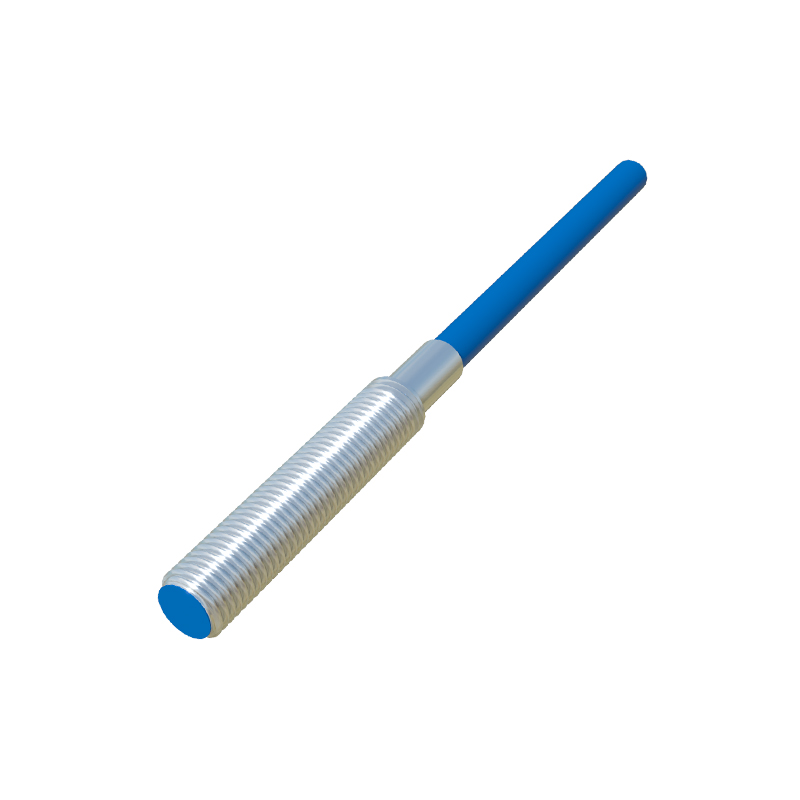
When selecting a servo proximity sensor, factors like sensing range, response time, environmental conditions, and compatibility with servo controllers must be considered. Modern sensors often feature digital outputs and programmable settings, allowing customization for specific tasks. Installation typically involves mounting the sensor near the servo's operational zone and calibrating it to detect objects within desired thresholds. Regular maintenance, such as cleaning sensing surfaces and checking connections, ensures consistent performance.
Despite their benefits, challenges exist, such as interference from electromagnetic noise or material-specific limitations. However, advancements in technology are addressing these issues, with newer models offering higher immunity and broader detection capabilities. As automation evolves, servo proximity sensors are poised to become even more integral, driving innovations in robotics, aerospace, and healthcare. Their role in enabling precise, safe, and intelligent systems underscores their value in today's tech-driven world.
In summary, servo proximity sensors represent a fusion of sensing and motion control, empowering automated systems to interact intelligently with their surroundings. By providing critical feedback without physical contact, they enhance operational precision, protect machinery, and support the seamless integration of human and machine efforts. As industries continue to embrace automation, these sensors will remain essential tools for achieving efficiency and safety in dynamic environments.