In the realm of industrial automation and control systems, proximity sensors play a pivotal role by detecting the presence or absence of objects without physical contact. Their ability to operate reliably in harsh environments, provide fast response times, and offer non-contact sensing makes them indispensable across manufacturing, automotive, packaging, and robotics applications. Understanding the classification of proximity sensors is essential for selecting the right technology for specific operational needs. This article delves into the primary types of proximity sensors, categorized based on their underlying detection principles.
The most common classification begins with inductive proximity sensors. These sensors generate an electromagnetic field and detect changes caused by metallic objects entering this field. They are highly valued for their durability, resistance to environmental factors like dust or moisture, and precise detection of ferrous and non-ferrous metals. Typically used in metal detection applications—such as counting metal parts on a conveyor or monitoring machine tool positions—inductive sensors excel in industrial settings where robustness is paramount. Variations within this category include shielded and unshielded designs, each offering distinct mounting and sensing range advantages.
Capacitive proximity sensors form another major category. Operating on the principle of capacitance change, these sensors can detect both metallic and non-metallic materials, including liquids, plastics, wood, and granular substances. By measuring alterations in an electrostatic field, capacitive sensors are versatile in applications like level sensing in tanks, material handling, or detecting filled containers. Their sensitivity can often be adjusted, allowing customization for diverse material types. However, they may be influenced by environmental factors such as humidity, requiring careful calibration.
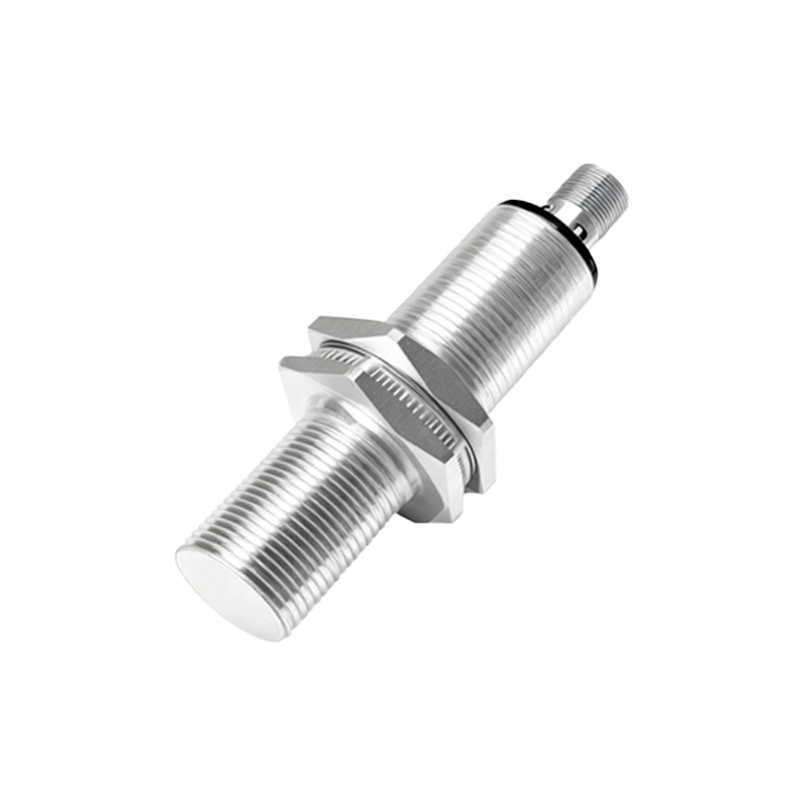
Magnetic proximity sensors, often referred to as reed switches or Hall effect sensors, detect magnetic fields. Reed switches use ferromagnetic reeds that close or open in response to a magnet, making them simple and cost-effective for position sensing—for instance, in door or valve position monitoring. Hall effect sensors, on the other hand, generate a voltage proportional to magnetic field strength, offering higher precision and durability in applications like speed detection in motors or current sensing. Both subtypes are prized for their low power consumption and reliability in automotive and safety systems.
Ultrasonic proximity sensors utilize sound waves beyond human hearing to measure distance or detect objects. By emitting ultrasonic pulses and analyzing the reflected echoes, these sensors can sense a wide range of materials regardless of color, transparency, or surface texture. They are ideal for challenging environments where other sensors might fail, such as in dusty areas or for liquid level control. Common uses include object detection in logistics, fill level monitoring, and collision avoidance in automated guided vehicles (AGVs). Their main drawbacks include potential interference from temperature variations or acoustic noise.
Optical proximity sensors, including photoelectric types, rely on light beams to detect objects. They consist of a light emitter (often LED or laser) and a receiver. When an object interrupts or reflects the light beam, the sensor triggers a response. These sensors are subdivided into through-beam, retro-reflective, and diffuse-reflective models, each suited for different ranges and environmental conditions. Optical sensors excel in high-speed applications, such as packaging lines or object counting, and can detect small or transparent items. However, they may be affected by ambient light or dirty lenses, necessitating regular maintenance.
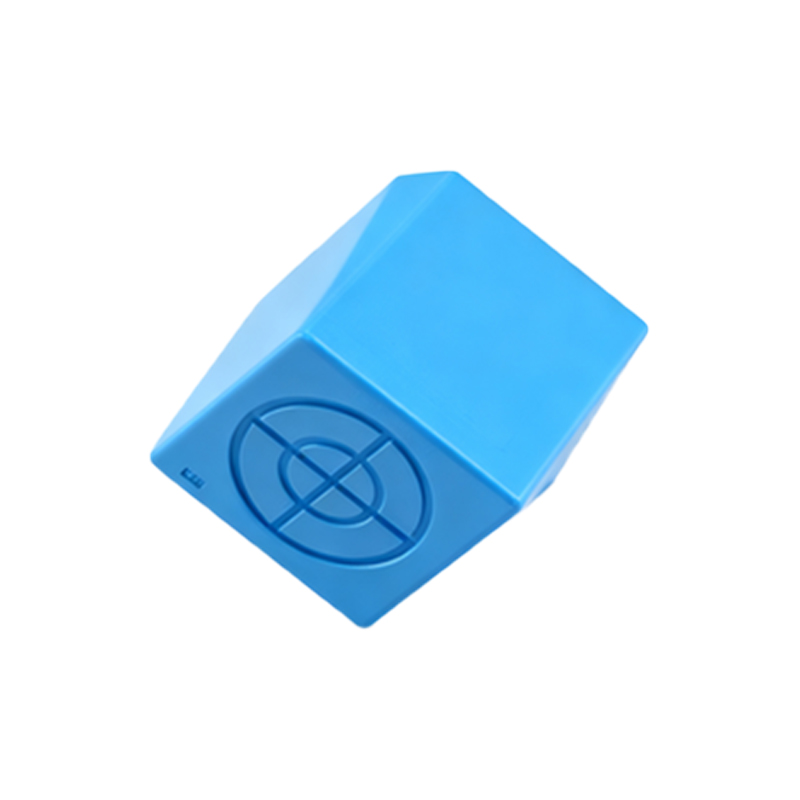
In summary, proximity sensors are broadly classified into five main types: inductive, capacitive, magnetic, ultrasonic, and optical. Each category offers unique advantages tailored to specific materials, environments, and operational requirements. Inductive sensors are best for metals; capacitive sensors handle diverse materials; magnetic sensors suit position and speed detection; ultrasonic sensors thrive in harsh conditions; and optical sensors provide high precision for non-contact detection. By understanding these classifications, engineers and technicians can optimize system performance, enhance safety, and improve efficiency in automated processes. As technology evolves, hybrid sensors and IoT integration are expanding these categories, but the core principles remain foundational for industrial innovation.