In the realm of industrial automation, proximity sensors play a pivotal role in ensuring seamless operations, safety, and efficiency. Among the diverse types available, GLS magnetic proximity sensors stand out as a robust and reliable solution for detecting the presence or absence of ferromagnetic objects without physical contact. These sensors leverage the principles of magnetism to deliver consistent performance in challenging environments, making them indispensable across various sectors, including manufacturing, automotive, and material handling.
GLS magnetic proximity sensors operate based on the interaction between a permanent magnet embedded in the sensor and a ferromagnetic target. When the target approaches the sensor within a specified range, it alters the magnetic field, triggering a switch mechanism that generates an electrical signal. This non-contact detection method eliminates wear and tear, extending the sensor's lifespan and reducing maintenance needs. Typically, these sensors are designed to detect objects through non-ferrous materials like aluminum, plastic, or wood, allowing for versatile applications where direct line-of-sight is obstructed.
One of the key advantages of GLS magnetic proximity sensors is their durability. Constructed with high-grade materials such as stainless steel or rugged polymers, they can withstand harsh conditions, including extreme temperatures, moisture, dust, and vibrations. This resilience makes them ideal for use in outdoor settings or heavy-duty industrial machinery, where reliability is paramount. Additionally, their compact and often cylindrical form factor enables easy integration into tight spaces, facilitating installation in complex automation systems without compromising on performance.
In terms of technical specifications, GLS sensors offer a range of sensing distances, typically from a few millimeters to several centimeters, depending on the model and application requirements. They are available in various output configurations, including analog, digital, or switching outputs, allowing compatibility with different control systems like PLCs (Programmable Logic Controllers) and microcontrollers. Many models also feature LED indicators for real-time status monitoring, enhancing operational visibility and troubleshooting efficiency.
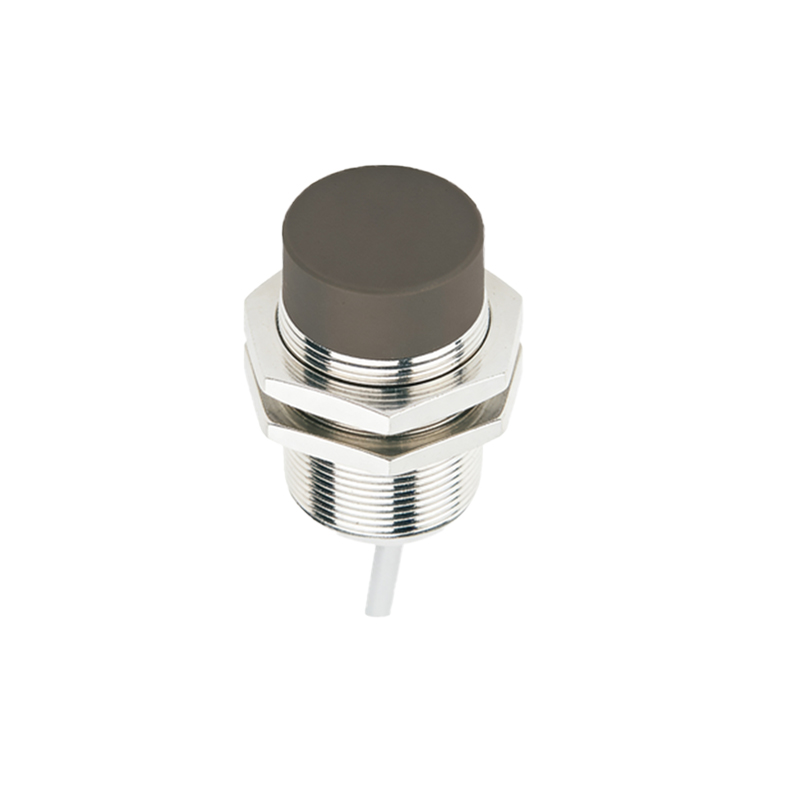
Applications of GLS magnetic proximity sensors are widespread. In automotive assembly lines, they are used to detect the position of components such as pistons or valves, ensuring precise timing and alignment. In conveyor systems, these sensors monitor the movement of metal parts, preventing jams and optimizing throughput. They also play a critical role in safety mechanisms, such as detecting door closures in elevators or machinery guards, thereby preventing accidents and ensuring compliance with industry standards.
When selecting a GLS magnetic proximity sensor, engineers must consider factors like the target material, operating environment, and required sensing range. For instance, in high-temperature settings, sensors with enhanced thermal stability are preferred, while in corrosive atmospheres, models with protective coatings may be necessary. Regular calibration and testing are recommended to maintain accuracy, as external magnetic interference or mechanical shifts can affect performance over time.
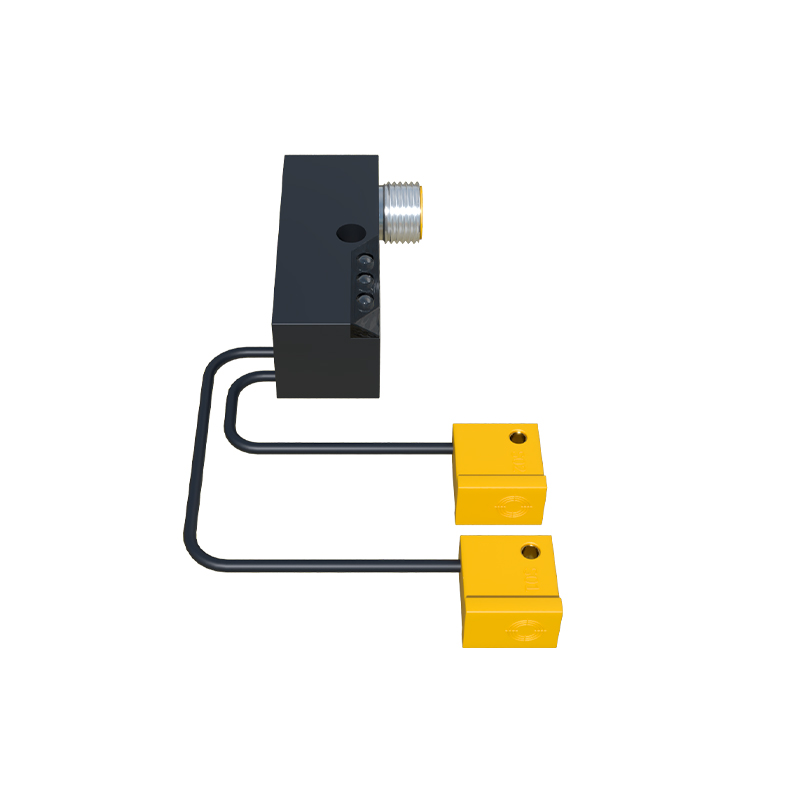
In conclusion, GLS magnetic proximity sensors represent a fusion of simplicity and sophistication in industrial sensing technology. Their ability to provide contactless, reliable detection in demanding conditions underscores their value in modern automation. As industries continue to evolve toward smarter, more interconnected systems, these sensors will remain a cornerstone for enhancing productivity and safety, driving innovation in the electrical and engineering domains.