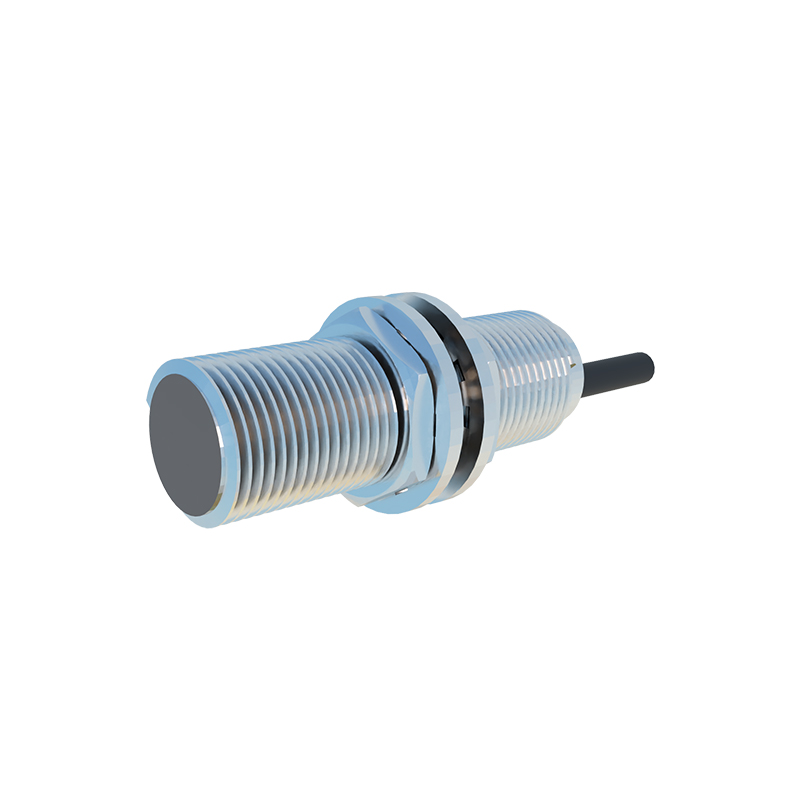
In the rapidly evolving landscape of industrial automation, proximity sensors have become indispensable components for detecting the presence or absence of objects without physical contact. The latest generation of these sensors, incorporating advancements in materials, electronics, and signal processing, promises enhanced reliability, accuracy, and versatility. This article provides a detailed examination of the performance testing methodologies essential for validating the capabilities of new proximity sensors in real-world applications.
Performance testing begins with a thorough evaluation of sensing range and repeatability. Engineers must establish the maximum nominal sensing distance under standardized conditions, typically using a specified target material, such as mild steel. It is crucial to note that the effective sensing range can vary significantly with different target materials, sizes, and shapes. Repeatability testing involves measuring the fluctuation in the switching point when the target approaches the sensor repeatedly under identical environmental conditions. High-quality sensors should demonstrate minimal deviation, often within a few micrometers, ensuring consistent operation in precision assembly lines or robotic positioning systems.
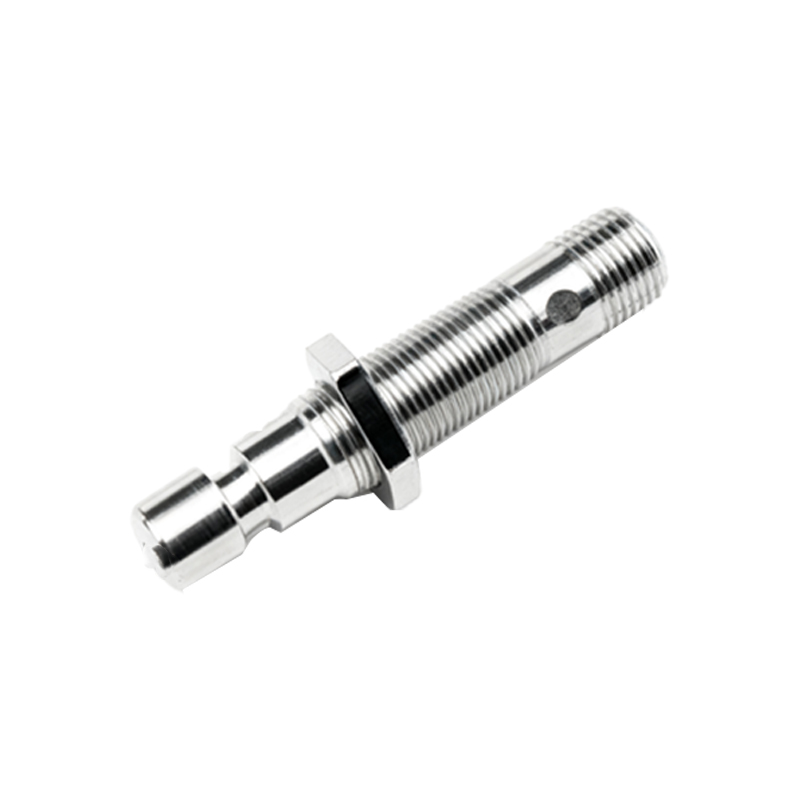
Environmental resilience constitutes another critical testing domain. Modern proximity sensors are expected to function reliably in harsh industrial settings. Key tests include temperature cycling, where the sensor is subjected to extreme high and low temperatures to assess thermal stability and potential drift in output characteristics. Similarly, resistance to humidity, vibration, and shock must be rigorously evaluated according to international standards like IEC 60947-5-2. For sensors deployed in washdown environments or outdoor applications, ingress protection (IP) ratings against dust and water are verified through standardized spray and immersion tests.
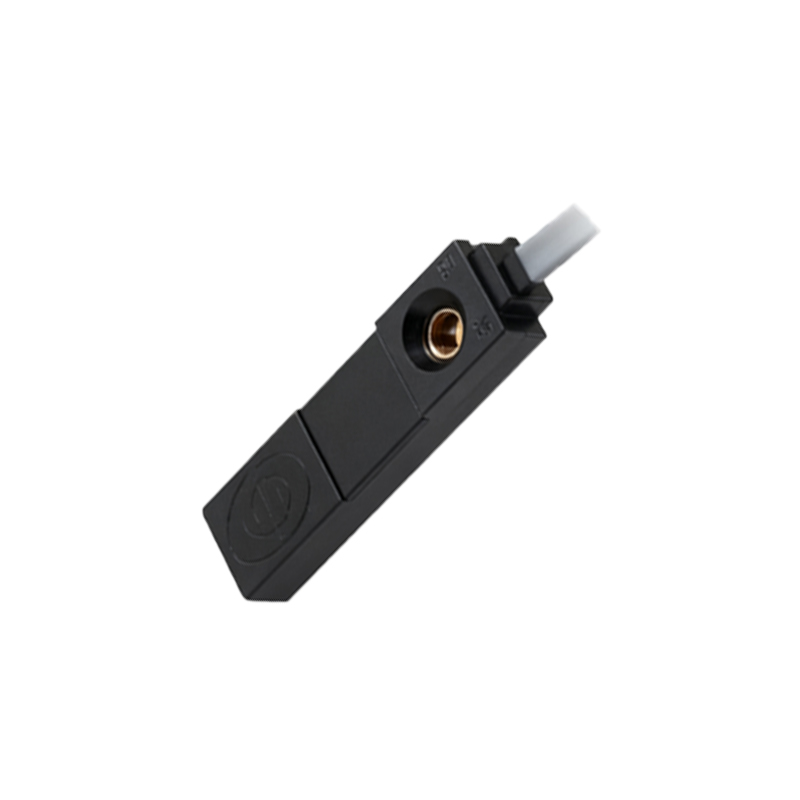
Electrical performance parameters demand meticulous scrutiny. This encompasses testing the sensor's response time—the delay between target detection and output signal change—which is vital for high-speed automation processes. Load current capacity, leakage current, and short-circuit protection features are also assessed to ensure compatibility with control systems and longevity. Furthermore, with the rise of Industry 4.0, testing now often includes evaluating the sensor's electromagnetic compatibility (EMC) to prevent interference from or to other electronic devices, as well as its performance in networked or IO-Link configurations for digital communication and parameterization.
Finally, long-term durability and mean time between failures (MTBF) are projected through accelerated life testing. This involves subjecting the sensor to continuous switching cycles under rated load, often millions of operations, to simulate years of service. Any degradation in performance, such as increased hysteresis or output failure, is meticulously recorded. By adhering to a comprehensive testing regimen that covers these fundamental aspects—sensing performance, environmental endurance, electrical characteristics, and longevity—electrical engineers can confidently select and integrate new proximity sensors, thereby optimizing system efficiency, reducing downtime, and enhancing overall operational safety in automated industrial environments.