In modern industrial automation, proximity sensors play a critical role in ensuring efficiency, safety, and precision. This case study report examines the application of inductive proximity sensors in a high-speed packaging line at a leading food processing facility. The primary challenge faced by the facility was frequent false triggers and sensor failures due to environmental contaminants such as moisture, dust, and metal debris. These issues led to production downtime, increased maintenance costs, and inconsistent packaging quality.
The facility initially used standard tubular inductive sensors with a sensing range of 8 mm. However, these sensors struggled to reliably detect metallic packaging materials under variable conditions. After a thorough analysis, our engineering team recommended switching to shielded, corrosion-resistant inductive sensors with enhanced immunity to electromagnetic interference (EMI) and environmental factors. The new sensors featured a sensing range of 15 mm, allowing for greater installation flexibility and reduced sensitivity to alignment errors. Additionally, they incorporated IP67-rated enclosures, making them suitable for washdown environments common in food processing.
During the implementation phase, sensors were strategically positioned along the conveyor system to detect the presence of metal lids on containers. The installation included adjustable mounting brackets to fine-tune sensing distances, ensuring optimal performance despite mechanical vibrations. Post-installation data collected over a 90-day period showed a remarkable improvement: false triggers decreased by 92%, and sensor-related downtime dropped from an average of 3 hours per week to less than 15 minutes. The enhanced durability of the sensors also reduced replacement frequency, leading to a 40% reduction in annual maintenance expenses.
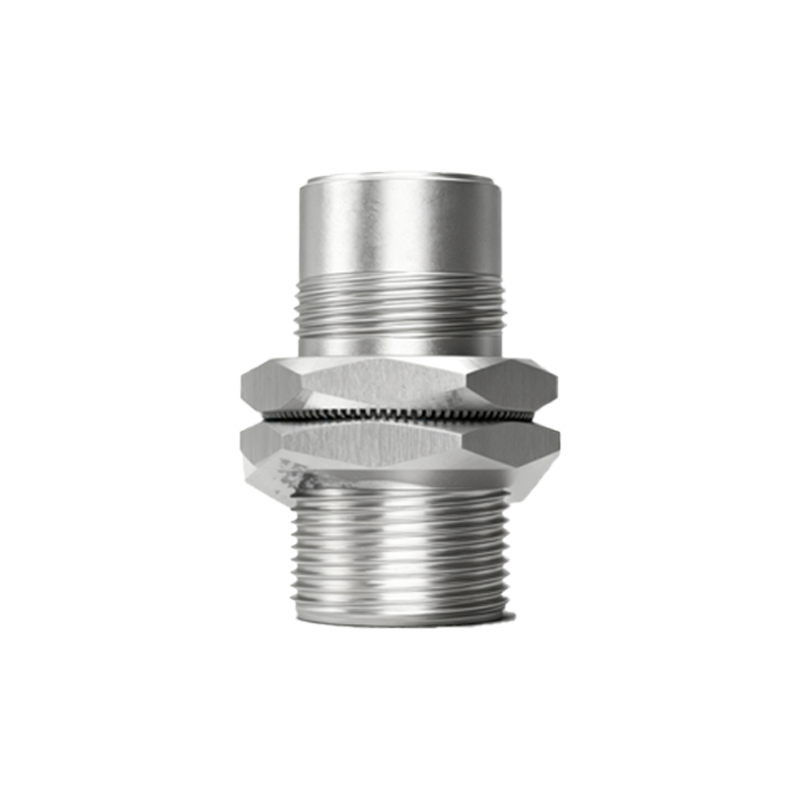
Another notable case involved the integration of capacitive proximity sensors in a pharmaceutical manufacturing plant. Here, the goal was to detect non-metallic materials, such as plastic vials and glass containers, without physical contact. The plant previously relied on mechanical limit switches, which caused product damage and required frequent recalibration. By deploying capacitive sensors with adjustable sensitivity, the plant achieved precise detection of various container types while eliminating contact-based wear. The sensors' ability to ignore background interference from conveyor belts further enhanced reliability. Post-deployment metrics indicated a 30% increase in line speed and a 75% reduction in product loss due to handling errors.
Key lessons from these cases highlight the importance of selecting sensor technology based on specific application needs. Inductive sensors excel in metallic object detection but may require shielding in noisy environments. Capacitive sensors offer versatility for non-metallic materials but need careful tuning to avoid false triggers from humidity or material variations. In both scenarios, environmental factors—such as temperature fluctuations, chemical exposure, and mechanical stress—must be considered during sensor selection and installation.
Furthermore, regular maintenance and calibration are essential for long-term performance. Implementing predictive maintenance schedules, such as periodic sensitivity checks and enclosure inspections, can prevent unexpected failures. The use of sensors with diagnostic capabilities, like IO-Link communication, allows for real-time monitoring and proactive troubleshooting, reducing operational risks.
In conclusion, proximity sensors are indispensable components in industrial automation, but their effectiveness depends on proper selection, installation, and maintenance. The cases discussed demonstrate how tailored sensor solutions can resolve operational challenges, boost productivity, and cut costs. As industries evolve toward smarter manufacturing, integrating advanced sensor technologies with digital monitoring systems will further enhance automation resilience and efficiency.