In the realm of industrial automation, the M32 proximity sensor stands as a pivotal component, engineered to deliver unparalleled precision and reliability in diverse operational environments. As a non-contact detection device, it operates by generating an electromagnetic field to sense the presence or absence of metallic objects within its sensing range. This capability is crucial for applications ranging from assembly line monitoring to robotic guidance systems, where accuracy and consistency are paramount.
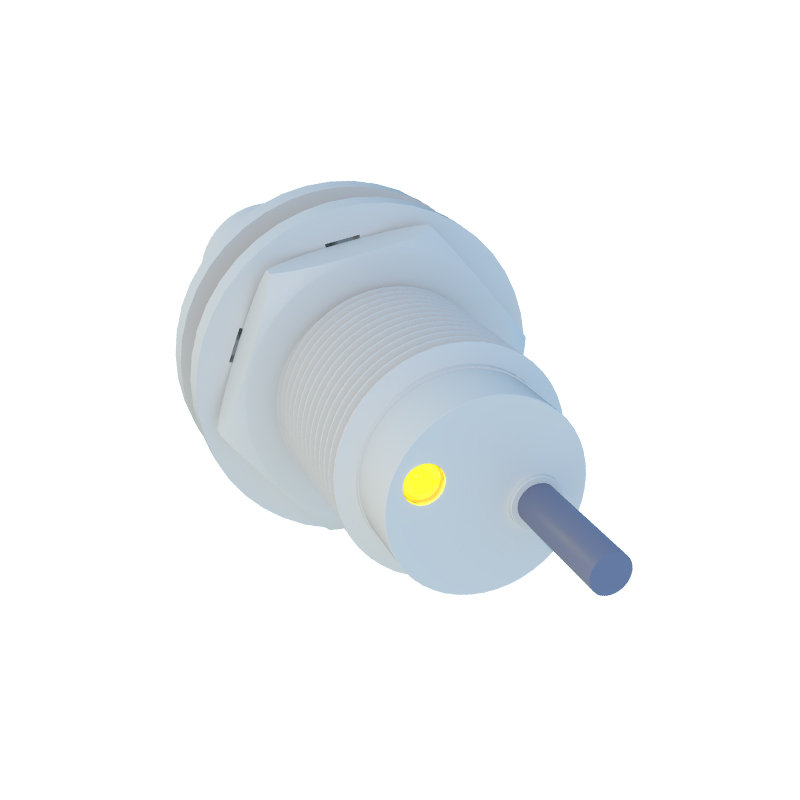
The M32 series is renowned for its robust construction, typically featuring a stainless-steel housing that ensures durability against harsh conditions such as dust, moisture, and mechanical shocks. Its design incorporates advanced sensing technology, allowing for detection distances that can be finely tuned to specific requirements, often up to 15 millimeters depending on the model and target material. This flexibility makes it suitable for various industries, including automotive manufacturing, packaging, and material handling, where it facilitates seamless automation processes.
One of the key advantages of the M32 proximity sensor is its immunity to environmental interference. Unlike optical sensors that may be affected by ambient light or dirt, the M32 relies on inductive principles, ensuring stable performance even in challenging settings. Additionally, it offers fast response times, typically in the millisecond range, which is essential for high-speed production lines where delays can lead to inefficiencies or errors. The sensor's output options, such as NPN or PNP configurations, provide compatibility with a wide array of control systems, enhancing its versatility in integration.
From an engineering perspective, the M32 sensor exemplifies efficiency through its low power consumption and minimal maintenance needs. Its self-diagnostic features, including LED indicators for status monitoring, allow for easy troubleshooting and reduce downtime. In practice, installation is straightforward, with mounting options that accommodate various spatial constraints, ensuring optimal placement for maximum detection accuracy.
As industries continue to evolve towards smarter automation, the M32 proximity sensor remains a trusted solution, contributing to enhanced productivity and safety. Its ability to operate reliably under extreme conditions while maintaining precision underscores its value in modern manufacturing ecosystems. For engineers and technicians, understanding its specifications and applications is key to leveraging its full potential in optimizing automated systems.