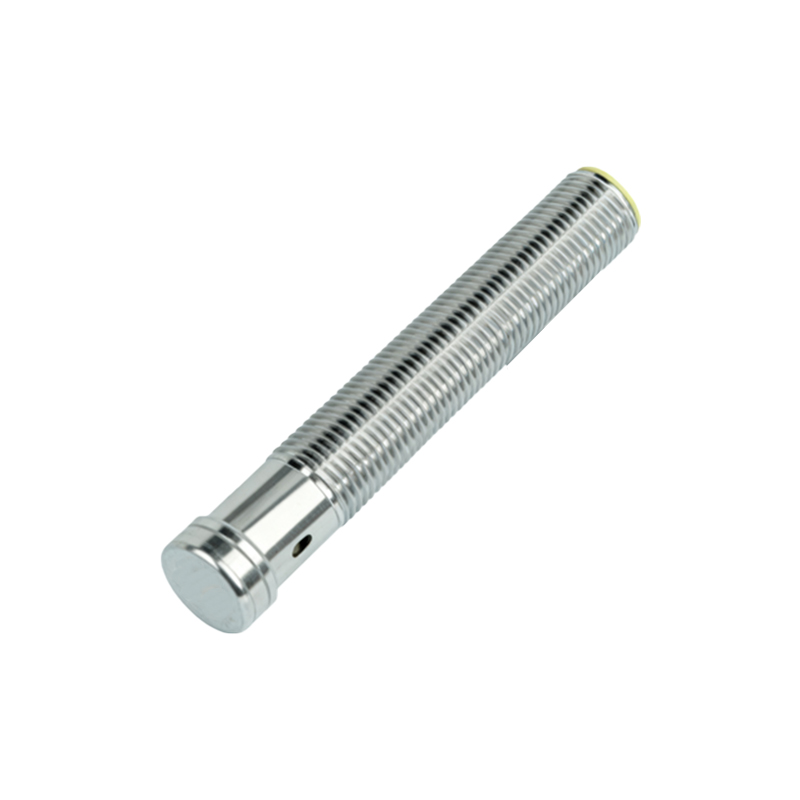
In the realm of industrial automation, single metal proximity sensors stand as pivotal components for detecting the presence or absence of metallic objects without physical contact. These sensors operate on the principle of electromagnetic induction, where an oscillator generates a high-frequency electromagnetic field. When a metal object enters this field, eddy currents are induced, causing a change in the sensor's oscillation amplitude or frequency. This alteration triggers a switching signal, enabling precise control in machinery and production lines.
Single metal proximity sensors are specifically designed to detect ferrous metals like iron and steel, offering high sensitivity and reliability. Their construction typically involves a sensing face made of ferrite core and coil, housed in a robust casing resistant to environmental factors such as dust, moisture, and mechanical stress. Key features include short-circuit protection, temperature stability, and immunity to electrical noise, making them ideal for harsh industrial settings. Applications span across various sectors, including automotive manufacturing for part positioning, packaging industries for counting metal items, and conveyor systems for object detection.
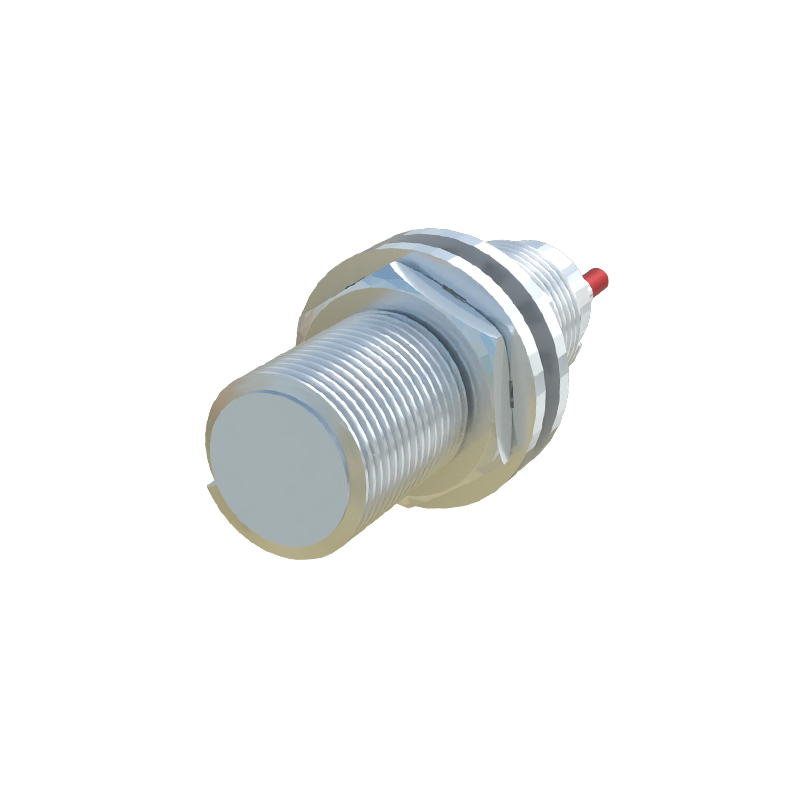
When selecting a single metal proximity sensor, engineers must consider factors like sensing distance, which ranges from a few millimeters to several centimeters, depending on the target metal's size and composition. The sensor's output type—whether NPN or PNP—should align with the control system's requirements. Additionally, installation and alignment are critical; improper mounting can lead to reduced accuracy or false triggers. Regular maintenance, though minimal, involves checking for wear and debris accumulation to ensure longevity.
Advancements in technology have led to enhanced versions with embedded diagnostics and IO-Link communication, allowing for real-time monitoring and integration into Industry 4.0 frameworks. Despite the rise of multi-metal sensors, single metal variants remain popular due to their cost-effectiveness and specialized performance in dedicated tasks. By providing non-contact detection, they minimize wear and tear, reduce downtime, and improve safety in automated processes.
In summary, single metal proximity sensors are indispensable tools in modern industry, offering efficient and durable solutions for metal detection. Their simplicity, coupled with robust design, ensures they continue to play a vital role in optimizing automation systems worldwide.