Inductive proximity sensors are critical components in modern industrial automation, offering non-contact detection of metallic objects with high reliability and durability. As an experienced electrical engineer specializing in industrial systems, I emphasize that understanding warranty terms for these sensors is essential for minimizing downtime and optimizing operational costs. Manufacturers typically provide warranties ranging from one to five years, depending on the sensor’s design, application environment, and compliance with specified operating conditions.
A comprehensive warranty for inductive proximity sensors generally covers defects in materials and workmanship under normal use. Key factors influencing warranty validity include proper installation according to technical guidelines, avoidance of excessive mechanical stress, and adherence to voltage, temperature, and environmental limits (e.g., IP ratings for dust and moisture resistance). For instance, sensors exposed to corrosive chemicals or extreme temperatures beyond their rated range may void warranty coverage. It is advisable to retain purchase documentation and installation records to facilitate claims.
Common warranty exclusions encompass damage from misuse, unauthorized modifications, or failure to perform routine maintenance. Industrial users should note that warranties often do not cover consumable parts like cables or connectors, unless explicitly stated. Additionally, sensor performance degradation due to wear in high-cycle applications might not be eligible for claims. To maximize warranty benefits, implement preventive measures such as regular calibration checks and environmental monitoring.
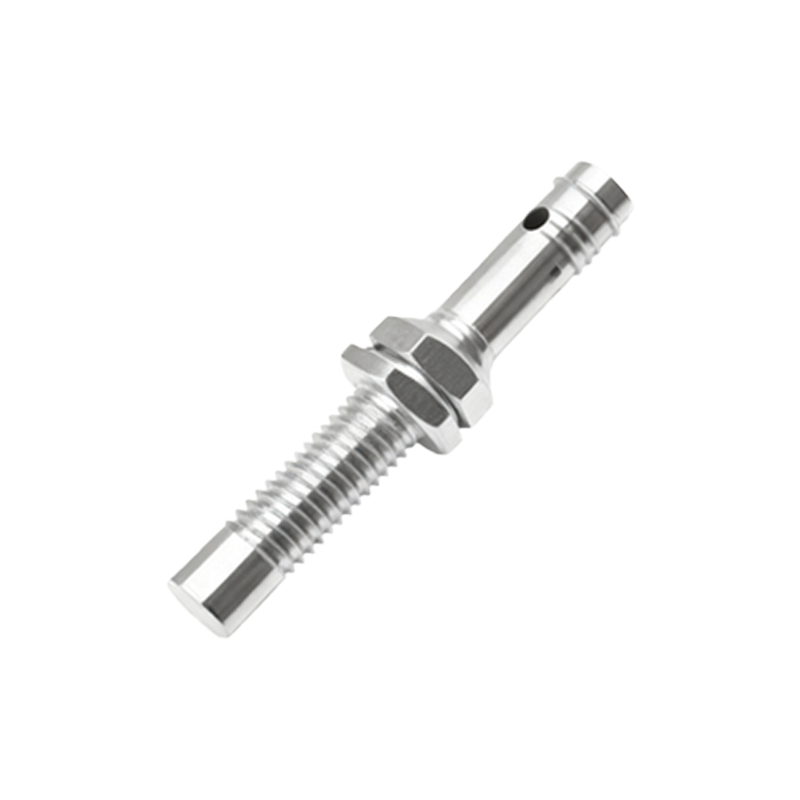
When selecting inductive proximity sensors, prioritize products from reputable manufacturers that offer transparent warranty policies and technical support. Some brands extend warranty periods for sensors used in certified applications, such as food processing or automotive manufacturing, where compliance with industry standards (e.g., ISO, UL) is mandatory. In case of sensor failure, promptly contact the supplier with detailed fault descriptions and system logs to expedite resolution—often through repair, replacement, or credit options.
Ultimately, a robust warranty strategy complements quality sensor selection, ensuring long-term system integrity. By aligning operational practices with warranty requirements, engineers can enhance equipment lifecycle management and reduce total cost of ownership in industrial settings.