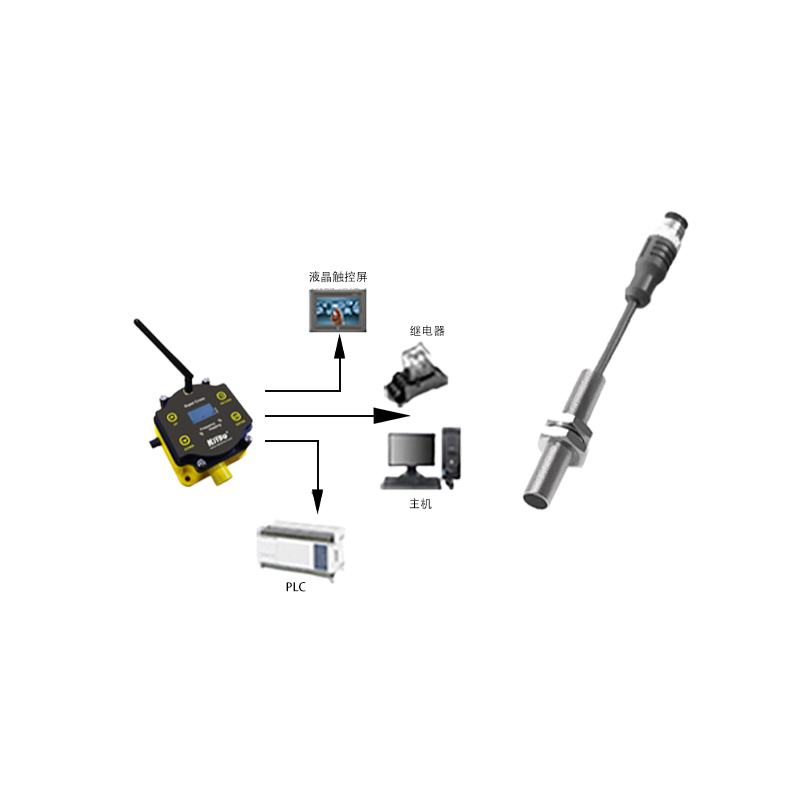
Proximity sensors are indispensable components in modern industrial automation, offering non-contact detection of objects with precision and reliability. As a seasoned electrical engineer with extensive field experience, I understand the critical role these sensors play in enhancing operational efficiency, ensuring safety, and reducing maintenance costs. This article provides an overview of proximity sensors available for sale, highlighting their types, applications, and key selection criteria to help you make informed purchasing decisions.
Proximity sensors operate by emitting an electromagnetic field or beam and detecting changes caused by nearby objects. They are categorized into several types based on their sensing technology: inductive, capacitive, ultrasonic, and magnetic. Inductive sensors are ideal for detecting metallic objects, commonly used in manufacturing lines for position sensing or part counting. Capacitive sensors can detect both metallic and non-metallic materials, making them suitable for liquid level detection or plastic handling. Ultrasonic sensors use sound waves to measure distance and are effective in harsh environments with dust or moisture. Magnetic sensors, often paired with magnets, are used for detecting door closures or linear motion in machinery.
When selecting a proximity sensor for sale, consider factors such as sensing range, output type, environmental conditions, and mounting requirements. Sensing range varies from a few millimeters to several meters, depending on the model and application. Output types include digital (e.g., NPN or PNP) and analog signals, which interface with PLCs or control systems. For industrial settings, look for sensors with robust housings (e.g., IP67 or IP69K ratings) to withstand temperature extremes, vibrations, and corrosive substances. Additionally, ensure compatibility with your power supply and wiring configurations to avoid installation issues.
The applications of proximity sensors span across diverse industries, including automotive, packaging, food and beverage, and robotics. In automotive assembly, they monitor component placement and conveyor belt movements. In packaging, they detect product presence for filling and sealing operations. The food industry relies on them for hygiene-compliant detection without physical contact, while robotics use them for obstacle avoidance and precision positioning. By integrating high-quality proximity sensors, businesses can achieve faster production cycles, minimize downtime, and improve product quality.
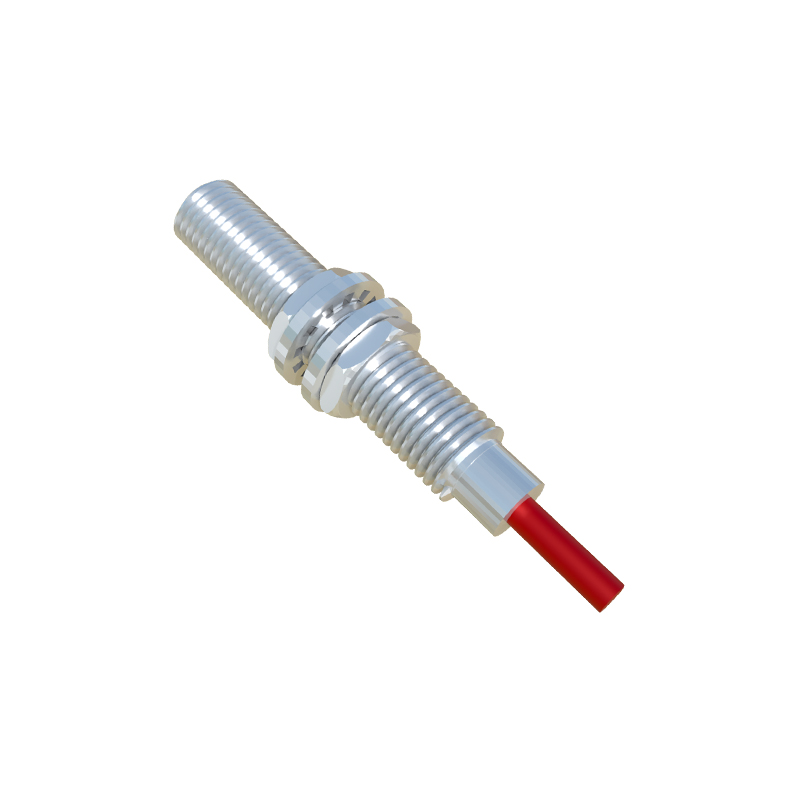
Investing in reliable proximity sensors for sale is a strategic move for any industrial operation. Look for suppliers that offer technical support, customization options, and warranties to ensure long-term performance. With advancements in IoT and smart manufacturing, modern sensors now feature connectivity for real-time monitoring and predictive maintenance. Whether you're upgrading existing systems or implementing new automation projects, choosing the right proximity sensor can drive significant efficiency gains and cost savings.
In summary, proximity sensors are vital tools for industrial automation, and selecting the appropriate type requires careful evaluation of your specific needs. By focusing on performance, durability, and supplier reliability, you can optimize your operations and stay competitive in today's fast-paced market. Explore our range of proximity sensors for sale to find solutions tailored to your engineering challenges.