Metal proximity sensors are essential components in industrial automation, enabling non-contact detection of metallic objects. Understanding their key parameters is crucial for selecting the right sensor for specific applications, ensuring reliability and efficiency. This guide explores the fundamental parameters that define the performance and suitability of these sensors.
The sensing distance, often called the nominal range, is a primary parameter. It indicates the maximum distance at which a standard target can be reliably detected. This distance is typically specified for a mild steel square target of a defined size (e.g., 1mm x 1mm x 1mm). It's vital to note that the actual sensing distance can vary based on the target material's properties, such as its conductivity and magnetic permeability. For instance, stainless steel may reduce the effective range compared to mild steel. Always consult derating curves in datasheets for non-standard materials.
Hysteresis is another critical parameter. It refers to the difference between the switch-on point (when the target approaches) and the switch-off point (when the target moves away). This differential prevents output signal oscillation or "chatter" when a target is positioned near the sensor's threshold. A properly defined hysteresis ensures stable switching, which is fundamental for precise control in applications like positioning or counting.
The operating frequency, or switching frequency, defines how quickly a sensor can respond to targets moving past it. Measured in Hertz (Hz), it represents the maximum number of on/off cycles per second. For high-speed applications, such as detecting parts on a fast conveyor belt or monitoring rotational speed, a high switching frequency is necessary to avoid missing objects.
Output configuration is a key functional parameter. Sensors come with different output types: NPN (sinking) or PNP (sourcing) transistor outputs, analog outputs (4-20mA or 0-10V), and sometimes relay outputs. The choice depends on the control system's input requirements. NPN is common in Asia, while PNP is prevalent in Europe and North America. Analog outputs provide a continuous signal proportional to the distance, useful for measuring gaps or thickness.
Environmental ratings are paramount for durability. The Ingress Protection (IP) rating indicates resistance to dust and liquids. For harsh industrial environments, a rating of IP67 or higher is often required. Temperature range specifies the ambient operating and storage limits. Sensors used in foundries or cold storage must withstand extreme temperatures without performance degradation.
Electrical characteristics include supply voltage range and current consumption. Most DC sensors operate within 10-30V DC. Ensuring a stable power supply within this range is essential. The output current capacity determines the load the sensor can drive, such as a PLC input or a small relay. Short-circuit and reverse polarity protection are valuable features that enhance longevity.
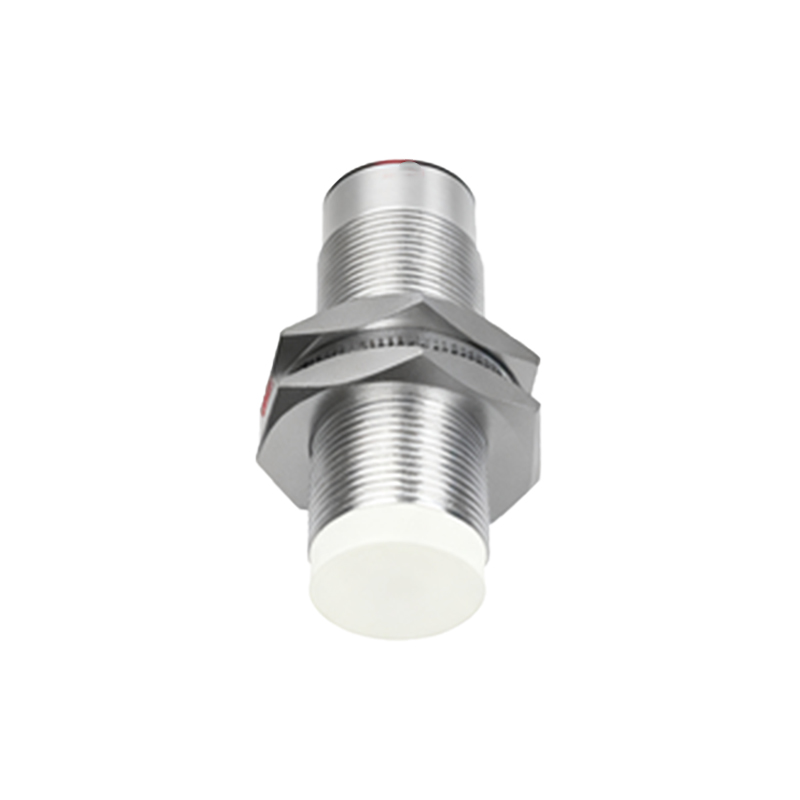
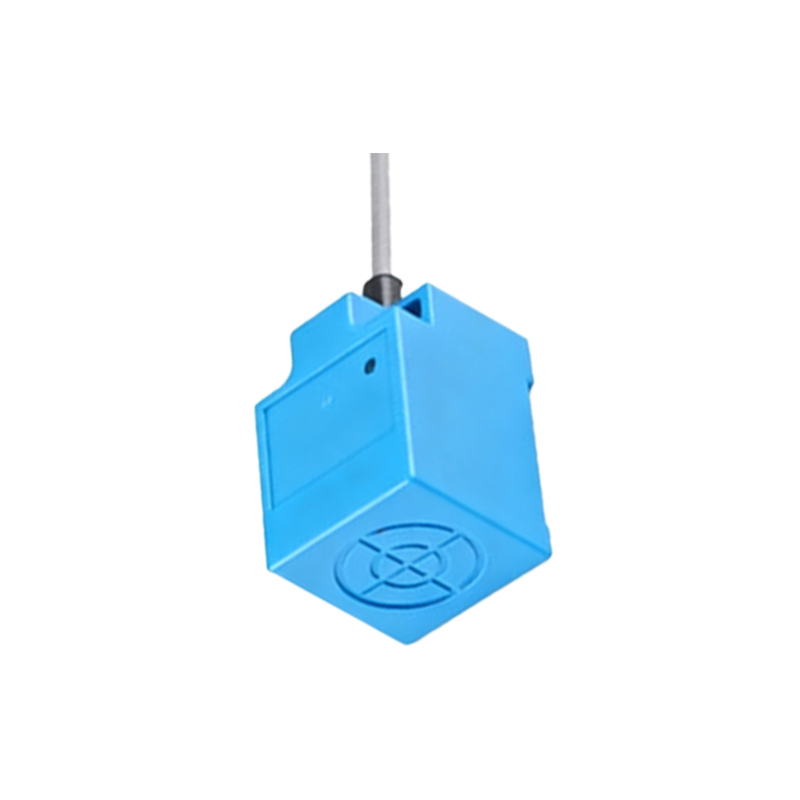
Finally, housing material and form factor (barrel, rectangular, ring-shaped) are selected based on mechanical constraints and the installation environment. Stainless steel housings offer superior corrosion resistance for washdown areas in food processing.
In summary, a thorough analysis of sensing distance, hysteresis, frequency, output type, environmental robustness, and electrical specs is necessary for optimal sensor integration. Always cross-reference application conditions with manufacturer datasheets to achieve reliable, long-lasting operation in automation systems.