In the realm of industrial automation, proximity sensor transducers play a pivotal role in enhancing efficiency, safety, and precision. These devices are designed to detect the presence or absence of an object without physical contact, converting this detection into an electrical signal that can be interpreted by control systems. As an experienced electrical engineer, I will delve into the principles, types, applications, and key considerations for selecting and implementing proximity sensor transducers in various industrial settings.
Proximity sensor transducers operate based on different physical principles, including inductive, capacitive, ultrasonic, and optical methods. Inductive sensors are commonly used for detecting metallic objects. They generate an electromagnetic field and sense changes caused by the target's presence, making them ideal for harsh environments with dust, oil, or moisture. Capacitive sensors, on the other hand, can detect both metallic and non-metallic materials by measuring changes in capacitance. They are suitable for applications involving liquids, plastics, or granular substances. Ultrasonic sensors use sound waves to determine distance or presence, offering reliable performance in challenging conditions like high temperatures or varying light levels. Optical sensors rely on light beams, often infrared, to detect objects, providing high-speed and long-range capabilities but requiring clear environments to avoid interference.
The core function of a proximity sensor transducer is to convert the detected signal into a standardized output, such as analog voltage, current (e.g., 4-20 mA), or digital signals like PNP/NPN. This conversion enables seamless integration with programmable logic controllers (PLCs), human-machine interfaces (HMIs), and other automation components. For instance, in conveyor systems, proximity sensors monitor product flow, triggering actions like sorting or packaging. In robotics, they ensure precise positioning and collision avoidance. Safety applications include detecting personnel in hazardous zones, thereby preventing accidents and complying with industry standards like ISO 13849.
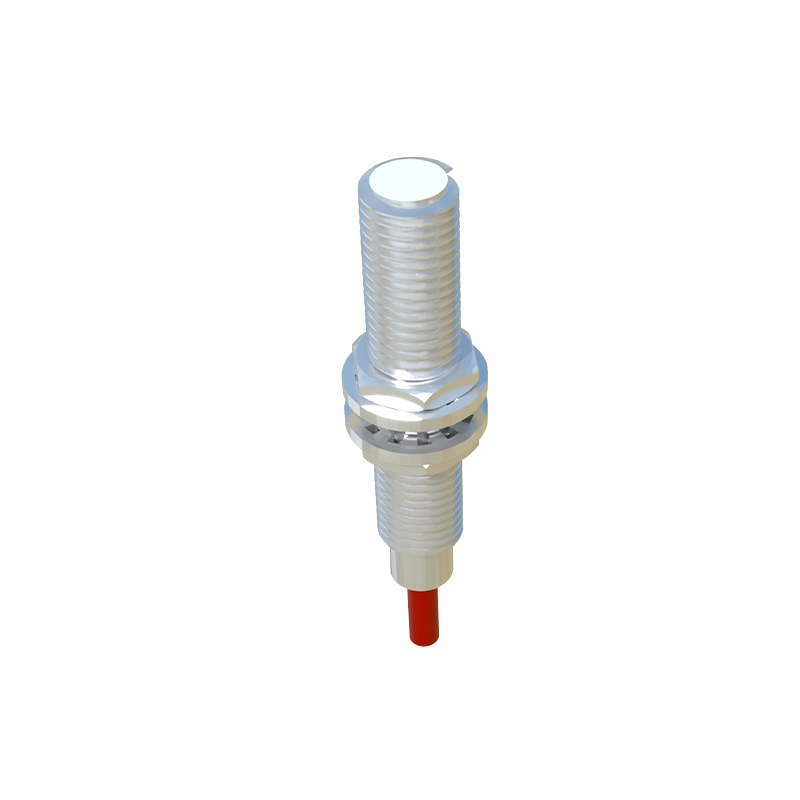
When selecting a proximity sensor transducer, engineers must consider factors such as sensing range, response time, environmental conditions, and output compatibility. Sensing range varies by type; inductive sensors typically offer short ranges (up to 60 mm), while ultrasonic sensors can reach several meters. Response time is critical in high-speed processes, where delays could impact productivity. Environmental factors like temperature extremes, humidity, and chemical exposure dictate the need for robust housings, often rated IP67 or higher for protection against dust and water immersion. Additionally, electrical noise in industrial settings may require shielded cables or filters to ensure signal integrity.
Installation and maintenance are equally important. Proper alignment and mounting prevent false triggers, while regular calibration checks maintain accuracy. Advances in technology have led to smart sensors with self-diagnostic features, reducing downtime and simplifying troubleshooting. For example, some modern transducers include IO-Link communication, enabling real-time data exchange and remote configuration.
In summary, proximity sensor transducers are indispensable in modern industrial automation, offering non-contact detection that improves reliability and reduces wear. By understanding their working principles and application nuances, engineers can optimize system performance, enhance safety, and drive innovation. As industries evolve toward Industry 4.0, these devices will continue to integrate with IoT and AI platforms, enabling predictive maintenance and smarter operations. Whether in manufacturing, automotive, or food processing, leveraging the right transducer ensures operational excellence and competitive advantage.