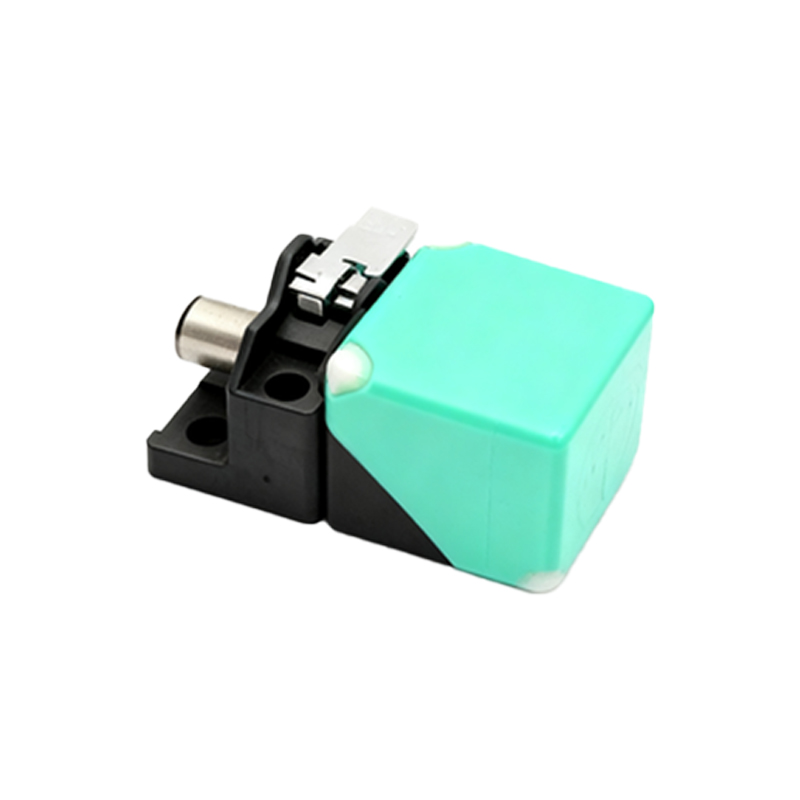
Proximity sensors are critical components in modern industrial automation, designed to detect the presence or absence of objects without physical contact. These sensors operate based on various principles, including inductive, capacitive, ultrasonic, and optical technologies, each suited to specific environmental conditions and target materials. Inductive proximity sensors, for instance, are ideal for detecting metallic objects by generating an electromagnetic field, while capacitive sensors can identify both metallic and non-metallic materials by measuring changes in capacitance. Ultrasonic sensors use sound waves to gauge distance, and optical sensors rely on light beams, making them versatile for diverse applications such as assembly lines, packaging machinery, and safety systems.
The core components of a proximity sensor include an oscillator, coil, detector circuit, and output stage. In inductive sensors, the oscillator produces a high-frequency electromagnetic field via the coil. When a metal object enters this field, eddy currents are induced, causing a change in oscillation amplitude. The detector circuit monitors this change and triggers the output stage to switch states, sending a signal to a programmable logic controller (PLC) or other control systems. Capacitive sensors function similarly but use a charging electrode and a sensing circuit to detect changes in dielectric properties. Key considerations when selecting a proximity sensor include sensing range, response time, environmental factors like temperature and humidity, and immunity to electrical noise.
Industrial applications demand robust and reliable sensor performance. For example, in automotive manufacturing, inductive sensors monitor the position of metal components on conveyor belts, ensuring precise assembly. In food processing, capacitive sensors detect liquid levels in non-metallic containers, while ultrasonic sensors manage inventory by measuring material heights in silos. Optical sensors, often equipped with infrared LEDs, are employed in safety curtains to protect workers from machinery hazards. Regular maintenance, such as cleaning sensing surfaces and checking wiring integrity, is essential to prevent false triggers and extend sensor lifespan.
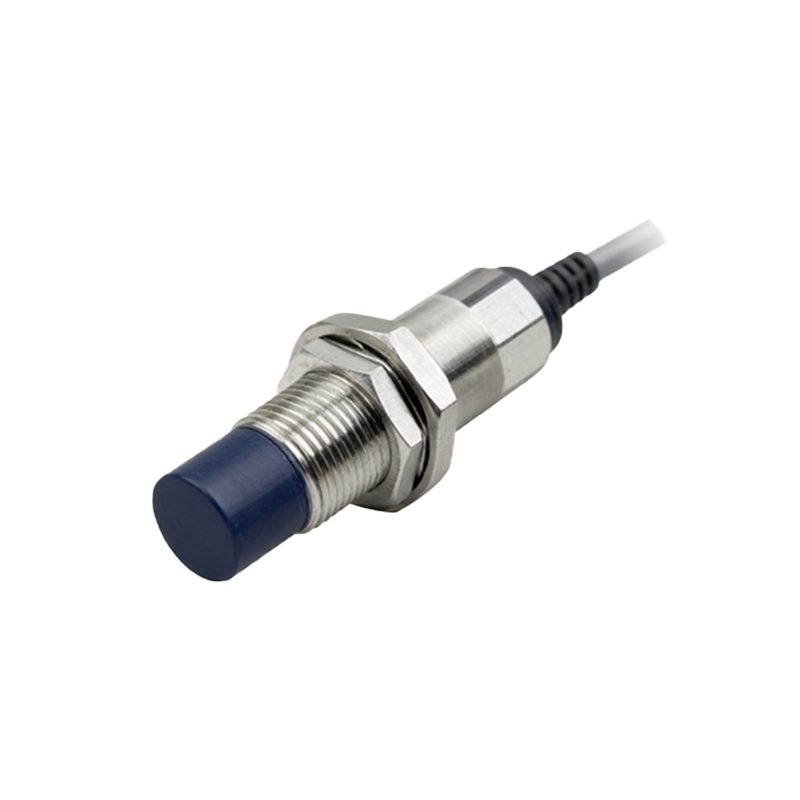
Advancements in proximity sensor technology continue to enhance industrial efficiency. Miniaturization allows for installation in tight spaces, and smart sensors with integrated diagnostics provide real-time data for predictive maintenance. Additionally, the integration of IoT connectivity enables remote monitoring and control, reducing downtime and optimizing production workflows. Engineers must stay informed about these developments to implement effective automation solutions, balancing cost, performance, and reliability. By understanding the fundamental components and operating principles of proximity sensors, professionals can select the right sensor for each application, contributing to safer and more productive industrial environments.