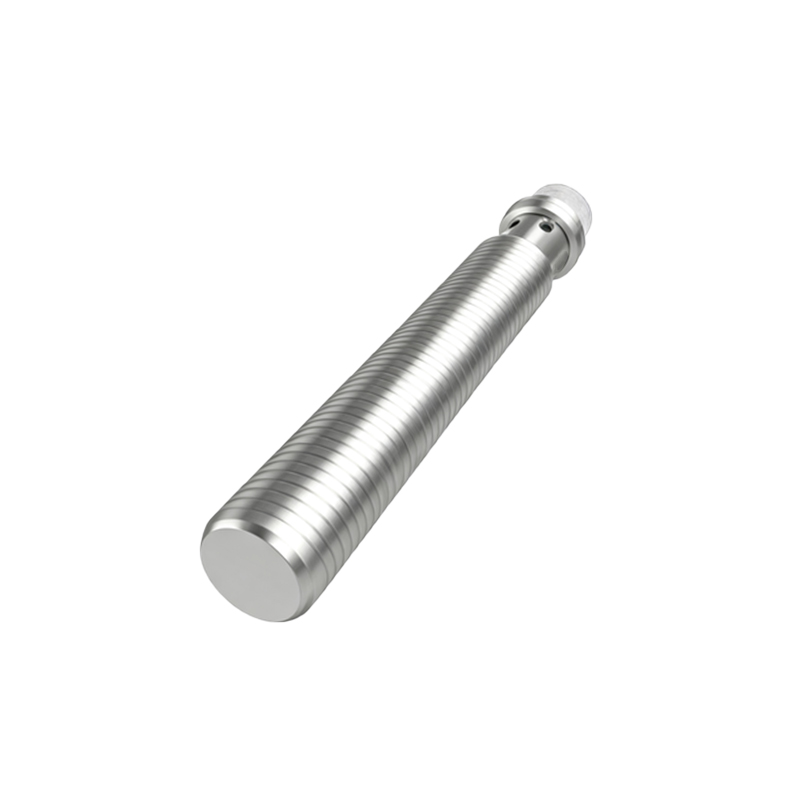
Temperature proximity sensors are essential components in modern industrial systems, enabling precise monitoring and control without direct contact. These devices detect temperature changes or presence of heat-emitting objects within a defined range, ensuring safety, efficiency, and automation in various applications. Common types include infrared (IR) sensors, thermopiles, and thermocouples designed for proximity detection. Infrared sensors, for instance, measure thermal radiation from objects, making them ideal for high-temperature environments like metal processing or furnace monitoring. Thermopile sensors offer enhanced sensitivity by integrating multiple thermocouples, suitable for medical equipment or HVAC systems where accurate surface temperature readings are critical. Additionally, non-contact thermocouples can detect temperature gradients in moving parts, reducing wear and tear in machinery.
In industrial settings, temperature proximity sensors are widely used for predictive maintenance, preventing overheating in motors, conveyors, or electrical panels. They help avoid downtime by alerting operators to abnormal heat patterns, such as in manufacturing lines or data centers. For example, in automotive assembly, these sensors monitor engine components to ensure optimal performance, while in food processing, they verify cooking or cooling stages without contaminating products. Advanced models feature digital outputs and IoT connectivity, allowing integration with smart control systems for real-time data analysis.
Key considerations when selecting a temperature proximity sensor include detection range, response time, and environmental factors like dust or humidity. Sensors with rugged enclosures are preferred for harsh conditions, such as mining or chemical plants. Calibration and regular maintenance are vital to sustain accuracy, as sensor drift can lead to operational errors. Emerging trends involve miniaturization and AI-enhanced sensors that adapt to dynamic industrial environments, boosting energy efficiency and safety protocols. Overall, temperature proximity sensors play a pivotal role in Industry 4.0, driving automation and precision across sectors from aerospace to renewable energy.