Infrared proximity sensors are integral components in modern automation and industrial systems, offering non-contact detection capabilities essential for precision and reliability. The Infrared Proximity Sensor 3914 stands out as a versatile solution designed to meet rigorous industrial demands. This article delves into its technical specifications, operational principles, and practical applications, providing insights for engineers and industry professionals.
The Sensor 3914 utilizes infrared (IR) technology to detect objects within a specified range without physical contact. It operates by emitting an infrared beam and measuring the reflection from a target. The sensor's receiver analyzes the intensity of the reflected signal to determine proximity, enabling accurate detection even in challenging environments with dust, moisture, or varying light conditions. Key features include a detection range of up to 2 meters, adjustable sensitivity, and a robust housing rated IP67 for protection against water and debris. These attributes make it suitable for harsh industrial settings, such as manufacturing plants and outdoor installations.
In terms of electrical characteristics, the Sensor 3914 typically operates on a DC voltage of 12-24V, with low power consumption to enhance energy efficiency. It offers both analog and digital output options, allowing seamless integration with PLCs (Programmable Logic Controllers), microcontrollers, and other control systems. The analog output provides continuous distance data, while the digital output functions as a simple on/off switch for presence detection. This flexibility supports diverse applications, from conveyor belt monitoring to robotic arm positioning.
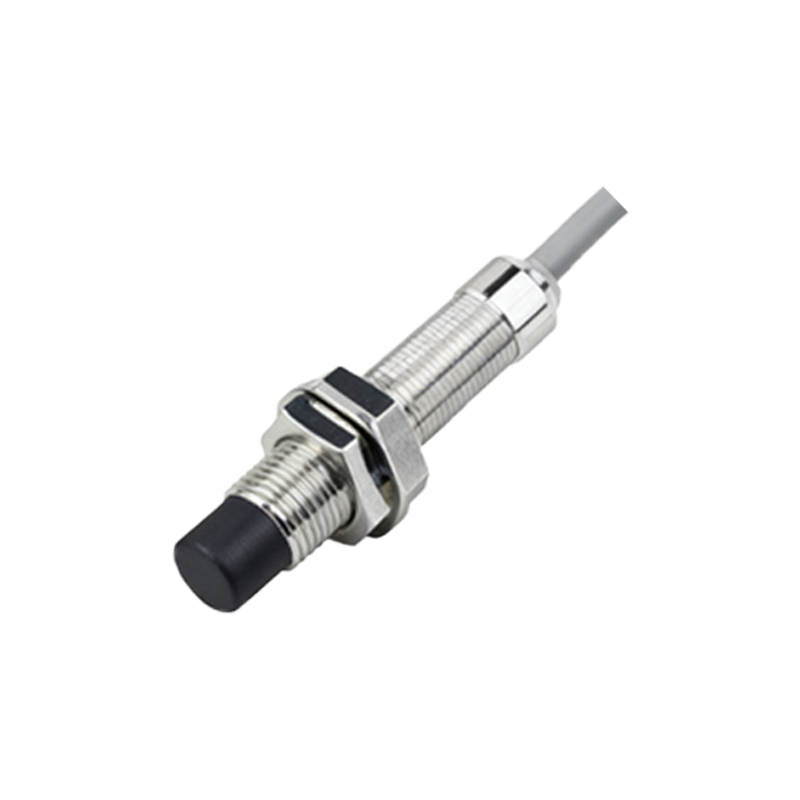
One of the primary advantages of the Sensor 3914 is its immunity to ambient light interference, thanks to modulated IR signals that filter out noise. This ensures stable performance in environments with fluctuating lighting, such as warehouses or automated assembly lines. Additionally, the sensor's compact design facilitates easy mounting in space-constrained areas, and its durable construction minimizes maintenance needs, reducing downtime in operational workflows.
Industrial applications of the Sensor 3914 are widespread across sectors. In automotive manufacturing, it is used for part detection and quality control, ensuring components are correctly aligned during assembly. In packaging industries, the sensor monitors product flow on conveyor systems, triggering actions like sorting or labeling. It also plays a role in safety systems, such as detecting personnel near machinery to prevent accidents. Beyond traditional industries, emerging fields like smart agriculture employ the Sensor 3914 for equipment automation, such as monitoring crop levels in silos.
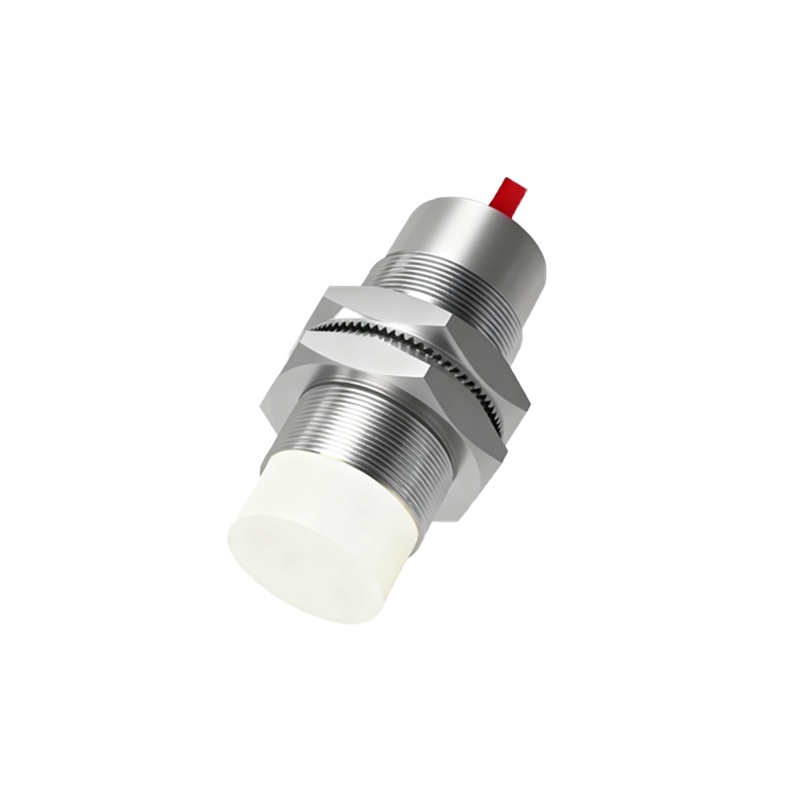
When selecting and installing the Sensor 3914, engineers should consider factors like target material, surface color, and environmental conditions. Dark or non-reflective surfaces may reduce detection range, requiring calibration of sensitivity settings. Regular calibration and testing are recommended to maintain accuracy over time. Compared to ultrasonic or capacitive sensors, the Sensor 3914 offers faster response times and higher precision for specific use cases, though it may be less effective with transparent objects.
In conclusion, the Infrared Proximity Sensor 3914 is a reliable and efficient tool for industrial automation, combining advanced IR technology with user-friendly features. Its adaptability and durability make it a preferred choice for engineers seeking to enhance system performance and safety. As industries evolve toward greater automation, sensors like the 3914 will continue to drive innovation, enabling smarter and more responsive operations. For those implementing proximity sensing solutions, understanding its capabilities and best practices is key to maximizing ROI and operational efficiency.