Miniature magnetic proximity sensors represent a critical component in modern industrial automation, offering non-contact detection of ferromagnetic objects with exceptional reliability. These compact devices operate on fundamental electromagnetic principles, generating a magnetic field through an internal permanent magnet or electromagnetic coil. When a ferrous target enters the predefined sensing range, it disturbs the magnetic flux lines, causing a measurable change in the sensor's internal parameters.
The core mechanism involves either reed switch technology or solid-state Hall effect components. Reed switch-based sensors contain two ferromagnetic blades sealed within an inert gas-filled glass tube. Under the influence of an external magnetic field—either from the sensor's own magnet or an approaching ferromagnetic object—the blades attract each other and make contact, closing an electrical circuit. This simple electromechanical design provides galvanic isolation and can switch relatively high currents, though with limited operational lifespan due to mechanical wear.
Solid-state variants utilize semiconductor Hall effect elements that generate a voltage proportional to the applied magnetic field strength. As a ferromagnetic object approaches, it concentrates the magnetic flux through the Hall chip, producing a voltage shift that triggers the sensor's output circuit. Modern Hall effect sensors integrate amplification, temperature compensation, and signal conditioning electronics within the same package, enabling precise switching points, high switching frequencies exceeding 10 kHz, and virtually unlimited operational life.
A third technology, magnetoresistive sensing, employs materials that change electrical resistance under varying magnetic fields. These sensors offer superior sensitivity for detecting weak magnetic fields or small displacements, making them suitable for precision positioning applications.
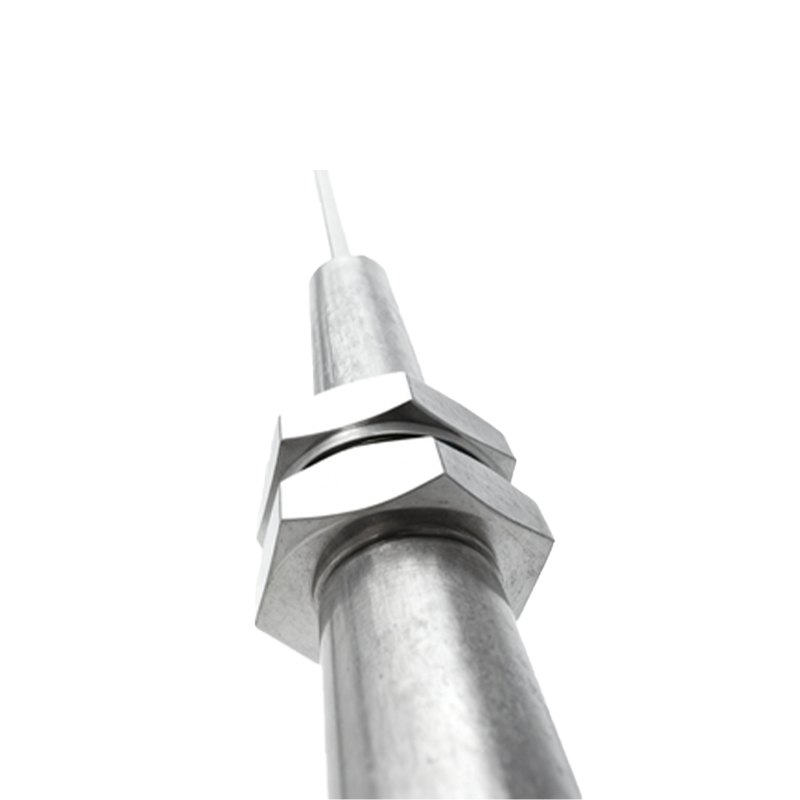
Key performance parameters include sensing distance, typically ranging from 1 to 20 mm for miniature models, with factors like target material, size, and shape significantly affecting actual detection range. Hysteresis—the difference between switch-on and switch-off points—prevents output oscillation when the target is near the detection threshold. Environmental considerations involve housing materials (often PBT or stainless steel), ingress protection ratings (commonly IP67), and temperature tolerance from -25°C to +85°C for standard industrial variants.
Installation requires careful attention to mounting geometry, as surrounding ferrous materials can distort the magnetic field. Non-ferrous mounting brackets and maintaining proper clearance from adjacent metal structures are essential for consistent performance. Electrical connections typically involve 3-wire DC configurations (PNP or NPN output) or 2-wire AC/DC versions, with built-in protection against short-circuit, reverse polarity, and electromagnetic interference.
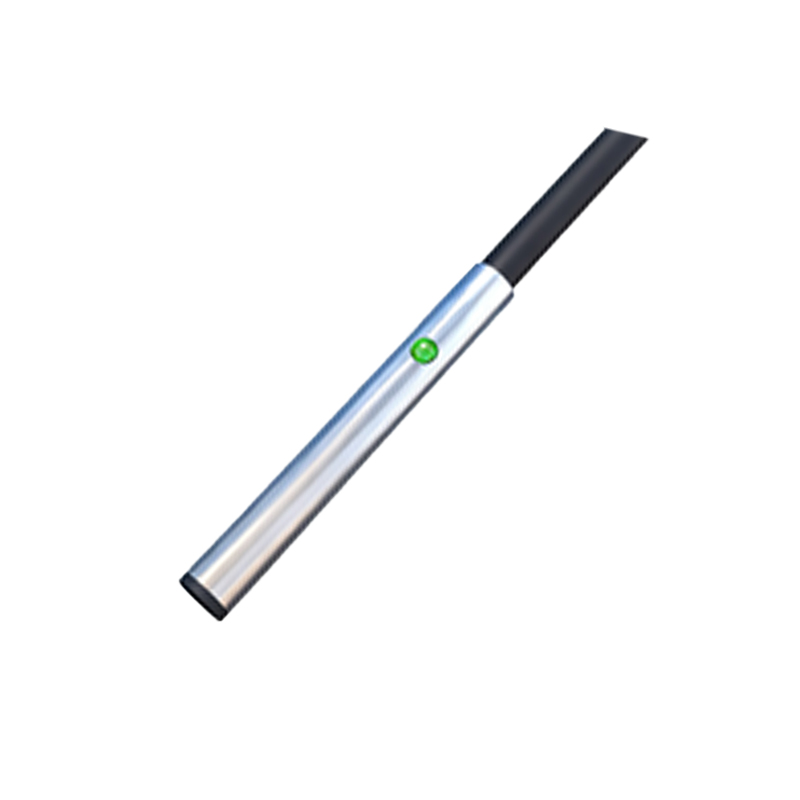
Applications span across automated machinery, robotics, conveyor systems, and safety interlocks. They detect piston positions in pneumatic cylinders, monitor valve actuation, count metallic parts, and provide end-of-travel verification. Their non-contact nature eliminates mechanical wear, withstands vibration and contamination, and enables maintenance-free operation in harsh industrial environments where traditional limit switches would fail.
Recent advancements include miniaturization to sub-5mm housing dimensions, analog output versions for distance proportional signaling, and IO-Link digital communication capabilities for integrated diagnostics and parameter configuration. These developments allow integration into increasingly compact mechatronic systems while providing smart factory connectivity.
Understanding these operational principles enables engineers to select appropriate sensors based on required sensing distance, switching frequency, environmental robustness, and output characteristics. Proper implementation ensures reliable object detection that forms the foundation of automated control systems, contributing to enhanced productivity and machine safety in industrial operations.