Proximity sensors are a fundamental component in modern technology, quietly enabling countless interactions in our daily lives. At its core, a proximity sensor detects the presence or absence of an object within a certain range without any physical contact. The "movement" aspect refers to the dynamic detection of an object approaching, receding, or moving within the sensor's field. This capability is what makes these devices so versatile and integral to automation, safety, and user interface design.
The principle behind proximity sensor movement detection varies by technology. Inductive sensors, for instance, generate an electromagnetic field and detect changes caused by metallic objects moving into that field. Capacitive sensors can detect both metallic and non-metallic objects by sensing changes in capacitance when an object nears the sensing area. Other types include ultrasonic sensors, which use sound waves, and photoelectric sensors, which employ light beams. In each case, the key function is to translate physical movement into an electrical signal. This signal is then processed by a control system to trigger a specific action.
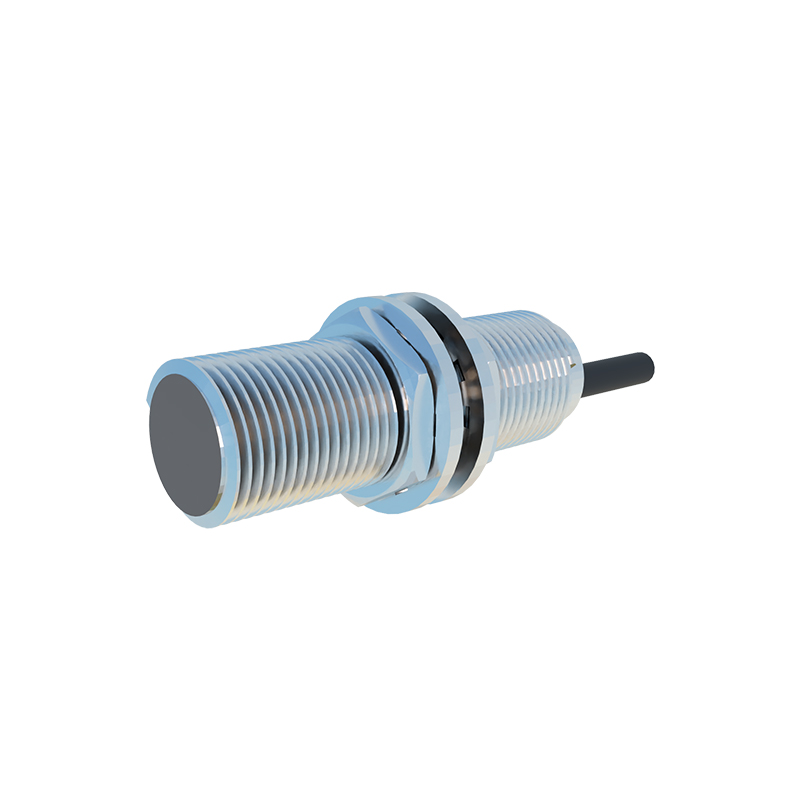
The applications of this technology are vast and often invisible to the end-user. In industrial automation, proximity sensors monitor the movement of components on assembly lines, ensuring precise positioning and preventing collisions. They are crucial for counting objects, controlling robotic arms, and verifying that a part is in the correct place before the next manufacturing step proceeds. In the automotive sector, they form the backbone of parking assist systems, detecting obstacles as a vehicle moves in reverse. Some advanced systems even use arrays of sensors to provide a 360-degree view around a car.
Consumer electronics heavily rely on proximity sensor movement for intuitive user experiences. The most common example is in smartphones. When you lift your phone to your ear during a call, a proximity sensor detects this movement and turns off the display to prevent accidental touch inputs. Similarly, tablets and laptops use them to conserve power by putting the device to sleep when the lid is closed or when no user is detected in front of the screen. This seamless interaction, where the device responds to your movement without a button press, is a direct result of this technology.
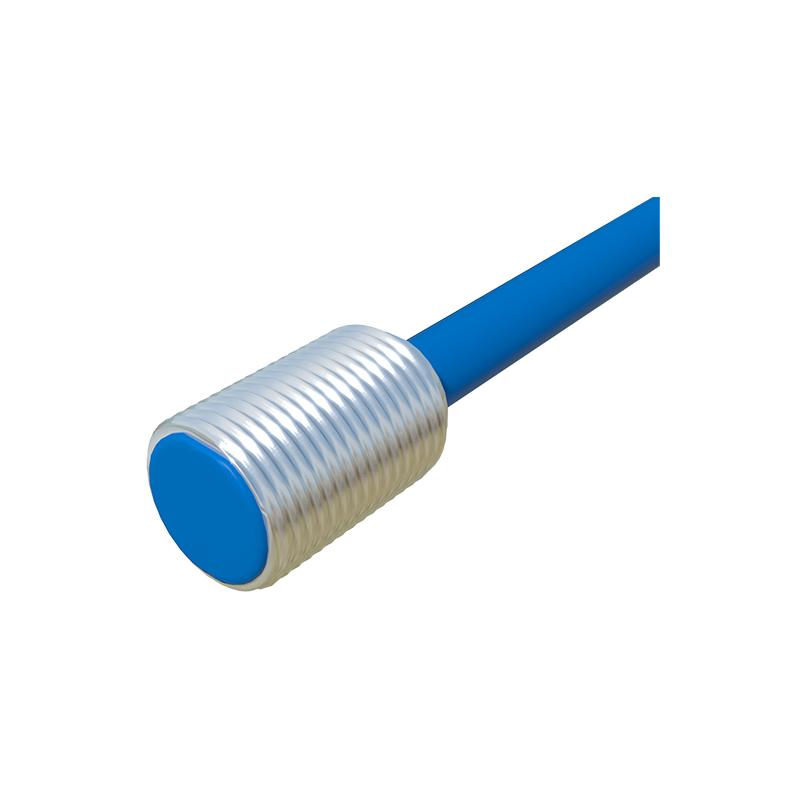
Safety and security are other critical domains. Automatic doors in supermarkets and airports use proximity sensors to detect a person approaching, triggering the door to slide open. In hazardous industrial environments, sensors can create invisible safety curtains; if a worker's movement breaks the beam, machinery shuts down instantly to prevent injury. Home security systems also incorporate them to detect movement near windows or doors, activating alarms when unexpected motion is sensed.
The advantages of using proximity sensors for movement detection are numerous. Their non-contact nature means there is no wear and tear from physical interaction, leading to high reliability and long operational life. They can function effectively in harsh conditions—through dirt, dust, moisture, or extreme temperatures—where mechanical switches would fail. Furthermore, they offer very fast response times, capable of detecting rapid movements that the human eye might miss, which is essential for high-speed automation and safety applications.
Looking forward, the role of proximity sensors in movement detection is expanding with trends like the Internet of Things (IoT) and smart environments. In smart homes, sensors can track movement to optimize energy usage, turning lights on or off as occupants move between rooms. In public spaces, they can help manage crowd flow or enable touchless interfaces for hygiene. The integration of artificial intelligence with sensor data is also opening new frontiers, allowing systems to not just detect movement but also interpret its pattern, distinguishing between a human walking by and a pet running, for example.
Despite their sophistication, designing effective proximity sensing for movement requires careful consideration. Engineers must select the right sensor type for the target object and environment. Factors like sensing range, response speed, environmental interference, and cost all play a part. For instance, an ultrasonic sensor might be ideal for detecting a moving vehicle in a parking garage but would be unsuitable for a smartphone screen due to size and power constraints.
In conclusion, the detection of movement by proximity sensors is a deceptively simple concept with profoundly complex and widespread implications. It is the silent enabler of efficiency, safety, and convenience across industries. From the factory floor to the palm of your hand, these sensors continuously interpret the movement of the physical world, providing the essential data that allows machines and devices to interact with us intelligently and responsively. As technology evolves towards greater autonomy and connectivity, the precise and reliable detection of movement by proximity sensors will remain a cornerstone of innovation.