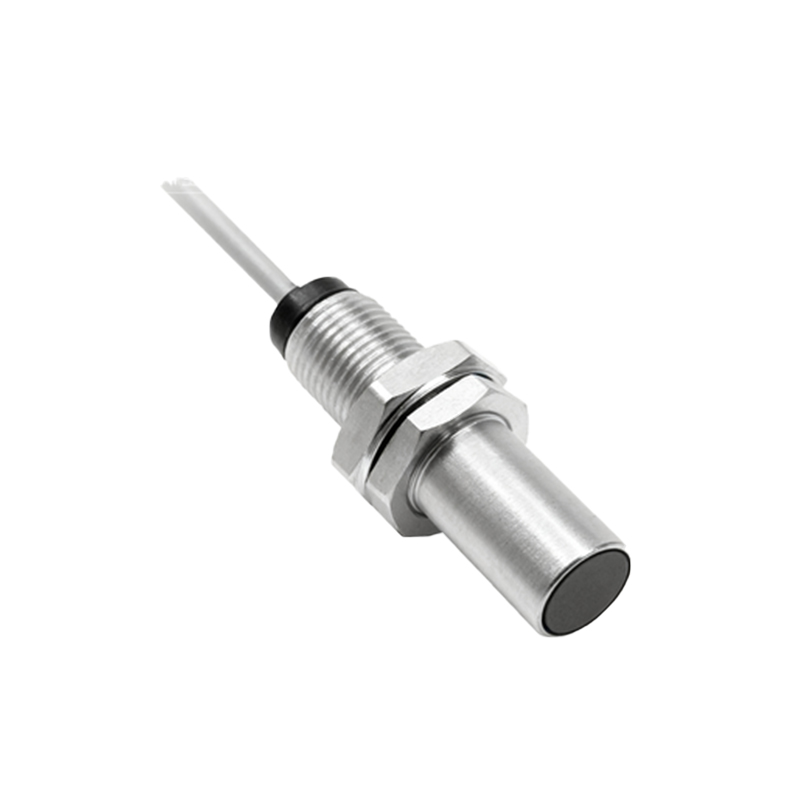
In modern industrial automation, proximity sensors play a critical role in detecting the presence or absence of objects without physical contact. These sensors, including inductive, capacitive, and photoelectric types, are widely used in manufacturing, robotics, and safety systems. However, their performance can be significantly compromised by various forms of interference, leading to false triggers, reduced accuracy, or complete failure. Understanding the sources of interference and implementing effective mitigation strategies is essential for ensuring reliable operation.
Electrical interference is one of the most common challenges. Proximity sensors, particularly inductive models, are susceptible to electromagnetic interference (EMI) generated by nearby motors, transformers, or high-frequency switching devices. This EMI can induce unwanted voltages in sensor circuits, causing erratic behavior. To combat this, engineers should employ shielding techniques, such as using metal enclosures or conductive coatings, and ensure proper grounding of both the sensor and associated equipment. Additionally, separating sensor cables from power lines and using twisted-pair or shielded cables can minimize inductive coupling.
Environmental factors also contribute to interference. For capacitive sensors, changes in humidity, temperature, or the presence of dust and contaminants can alter the dielectric properties of the sensing field, leading to false detections. In such cases, selecting sensors with appropriate ingress protection (IP) ratings and implementing regular maintenance schedules can help. Photoelectric sensors may face issues from ambient light sources, such as sunlight or industrial lighting, which can overwhelm the receiver. Using modulated light signals, filters, or sensors with narrow spectral ranges can enhance immunity to optical noise.
Cross-talk between multiple sensors is another concern, especially in densely packed installations. When sensors operate at similar frequencies or are placed too close together, their fields may interact, causing mutual interference. To address this, engineers can stagger sensor activation times, adjust sensing ranges, or select models with different operating frequencies. In some applications, using sensors with built-in synchronization features or implementing software-based debouncing algorithms can further reduce cross-talk effects.
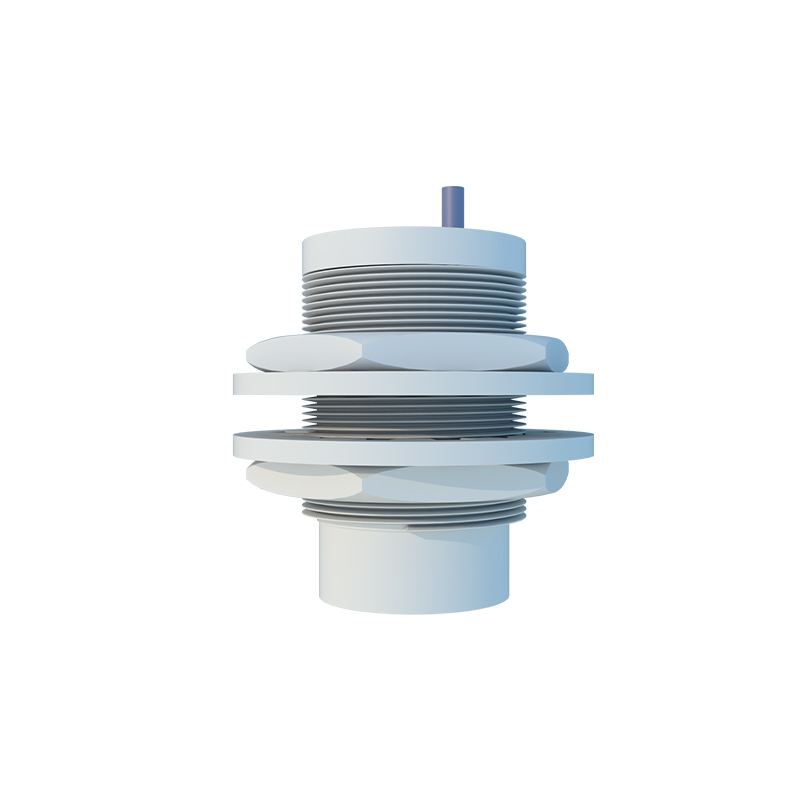
Power supply fluctuations and harmonic distortion from variable frequency drives (VFDs) can also impact sensor performance. Unstable voltages may cause sensors to reset or produce inconsistent outputs. Employing regulated power supplies, adding ferrite cores to cables, or using isolation transformers can stabilize the system. For sensors integrated into networks, ensuring proper electromagnetic compatibility (EMC) compliance and conducting site surveys during installation are proactive steps to identify potential interference sources.
In summary, mitigating interference in proximity sensing systems requires a holistic approach. By analyzing the operational environment, selecting suitable sensor types, and applying best practices in installation and shielding, engineers can enhance reliability. Regular testing with oscilloscopes or spectrum analyzers can diagnose interference issues, while adherence to industry standards, such as IEC 60947-5-2, ensures robust design. As automation evolves, advancements in digital filtering and smart sensor technologies will continue to improve interference resilience, supporting more efficient and safe industrial operations.