Proximity sensors are indispensable components in modern industrial automation, offering non-contact detection of objects within a specified range. These devices utilize various technologies, including inductive, capacitive, ultrasonic, and photoelectric principles, to enhance efficiency, safety, and precision in manufacturing environments.
Inductive proximity sensors are widely used for detecting metallic objects. In automotive assembly lines, they ensure precise positioning of engine components, such as verifying the presence of pistons or bolts. A typical application image might show a sensor mounted near a conveyor belt, triggering a robotic arm to pick up metal parts only when detected, reducing errors and downtime.
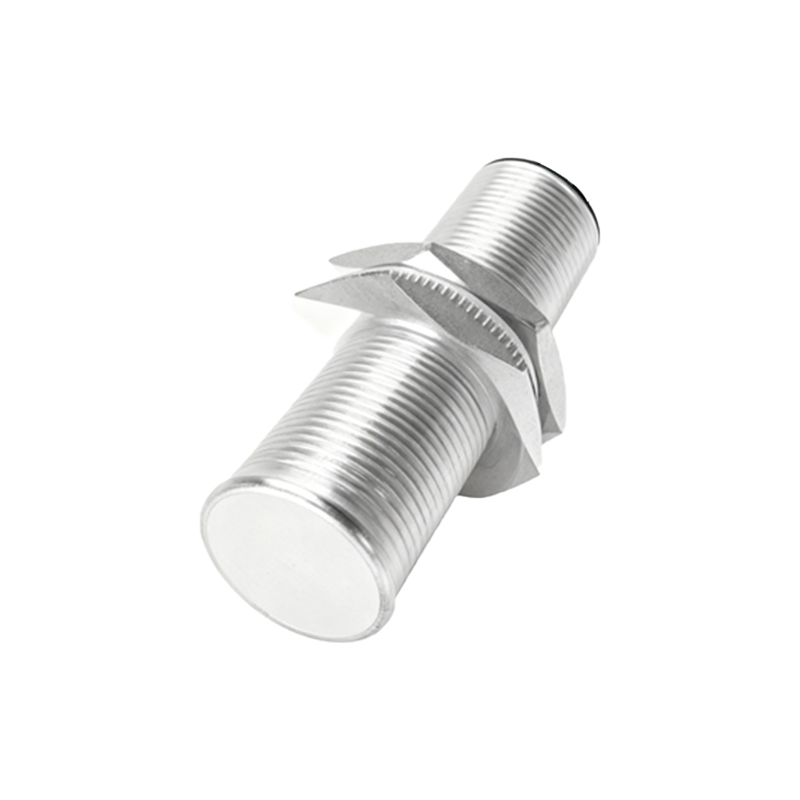
Capacitive sensors detect both metallic and non-metallic materials, making them ideal for industries like packaging. For instance, in food processing plants, they monitor liquid levels in plastic containers by sensing changes in capacitance. An application photo could depict sensors installed along a filling line, ensuring bottles are correctly filled without physical contact, thus maintaining hygiene standards.
Ultrasonic proximity sensors excel in harsh environments where dust or moisture is present. In mining operations, they measure distances to bulk materials like coal or ore, preventing overfilling in storage bins. A relevant image might illustrate sensors mounted above a conveyor, providing real-time data to control systems for automated loading and unloading.
Photoelectric sensors use light beams to detect objects, commonly in logistics and warehousing. They facilitate sorting systems by identifying packages on high-speed conveyors. An example picture could show sensors aligned at a distribution center, directing parcels to appropriate chutes based on size or barcode readings, optimizing throughput.
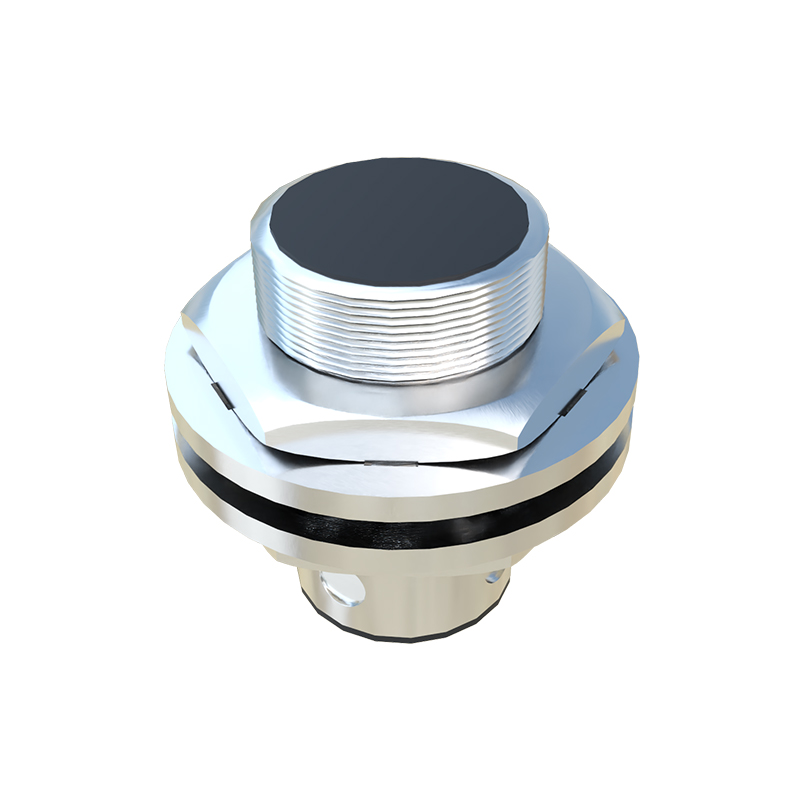
In robotics, proximity sensors enable collision avoidance and precise movements. Collaborative robots (cobots) often integrate these sensors to safely interact with human workers. A visual example might feature a cobot arm with embedded sensors pausing when a hand approaches, highlighting enhanced workplace safety.
The integration of proximity sensors with IoT platforms is revolutionizing predictive maintenance. By continuously monitoring equipment proximity data, anomalies like misalignments or wear can be detected early. An application image here could display a dashboard with sensor readings, alerting technicians to potential failures before they cause production halts.
Overall, proximity sensors contribute significantly to Industry 4.0 by enabling smarter, more responsive systems. Their versatility across sectors—from automotive to pharmaceuticals—underscores their critical role in advancing automation. As technology evolves, these sensors will likely become even more compact, energy-efficient, and integrated with AI for enhanced decision-making.