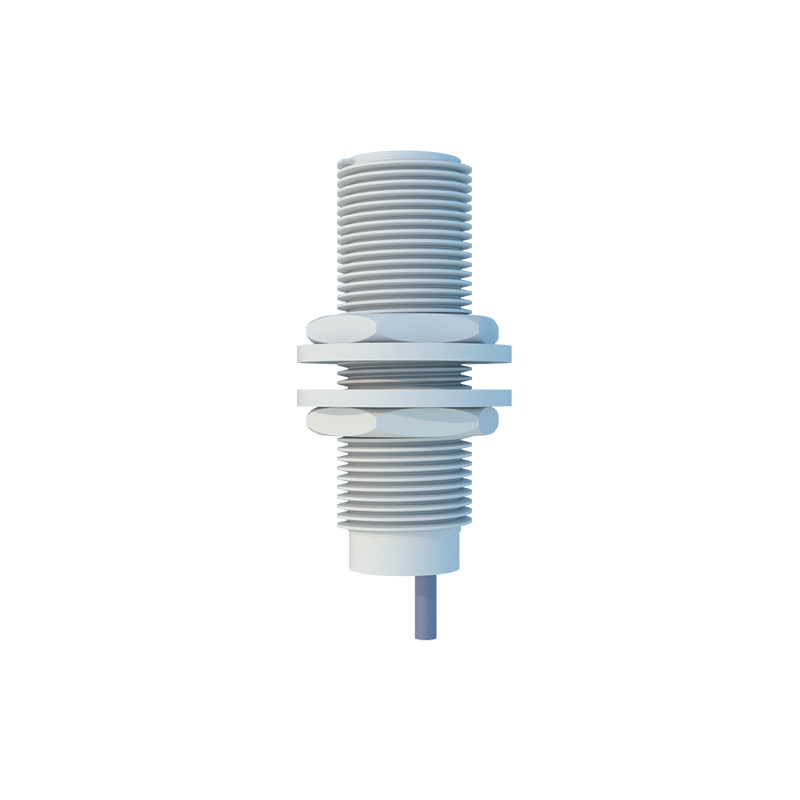
In the realm of industrial automation, proximity switches and inductive sensors stand as fundamental components that enable precise, non-contact detection of metallic objects. These devices are engineered to operate reliably in harsh environments, offering durability and efficiency that mechanical switches cannot match. Proximity switches, often referred to as proximity sensors, utilize various technologies, with inductive sensors being one of the most prevalent types for detecting ferrous and non-ferrous metals.
Inductive proximity sensors function based on the principle of electromagnetic induction. They consist of an oscillator circuit that generates a high-frequency electromagnetic field from a coil wound around a ferrite core. When a metallic object enters this field, eddy currents are induced on the surface of the object, causing a change in the oscillation amplitude. This alteration is detected by the sensor's circuitry, which then triggers an output signal—typically a switching action—to indicate the presence of the object. The key advantage lies in their non-contact nature, eliminating physical wear and tear, and allowing for high-speed operations in applications such as conveyor systems, machine tools, and robotic arms.
The design of inductive sensors emphasizes robustness, with enclosures commonly made from materials like nickel-plated brass or stainless steel to resist corrosion, moisture, and mechanical impacts. They are available in diverse form factors, including cylindrical, rectangular, and ring-shaped configurations, catering to specific installation needs. Sensing ranges vary from a few millimeters to several centimeters, depending on the sensor size and target material. For instance, sensors designed for steel typically have a longer range compared to those for aluminum, due to differences in conductivity and permeability.
In practical applications, these sensors play a critical role in position detection, object counting, and speed monitoring. For example, in automotive assembly lines, inductive sensors ensure components are correctly aligned before welding, while in packaging machinery, they verify the presence of metal lids or caps. Their ability to function without direct contact makes them ideal for environments with dust, oil, or vibrations, where mechanical switches would fail prematurely. Additionally, many modern inductive sensors feature embedded diagnostics, such as short-circuit protection and LED indicators, enhancing maintenance and troubleshooting processes.
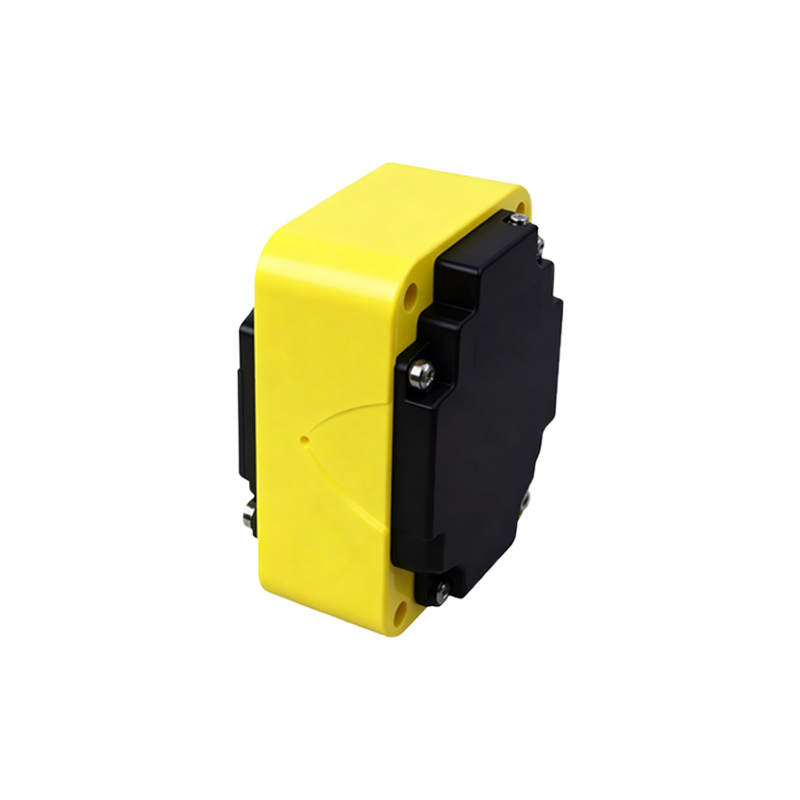
When selecting an inductive proximity sensor, engineers must consider factors like the target material, required sensing distance, environmental conditions, and electrical specifications. Operating voltage ranges typically span from 10-30V DC, with outputs including NPN, PNP, or analog signals for continuous measurement. It is also essential to account for temperature tolerances, as extreme conditions can affect performance. For non-metallic detection, capacitive or ultrasonic sensors may be more suitable, highlighting the importance of choosing the right technology for the task.
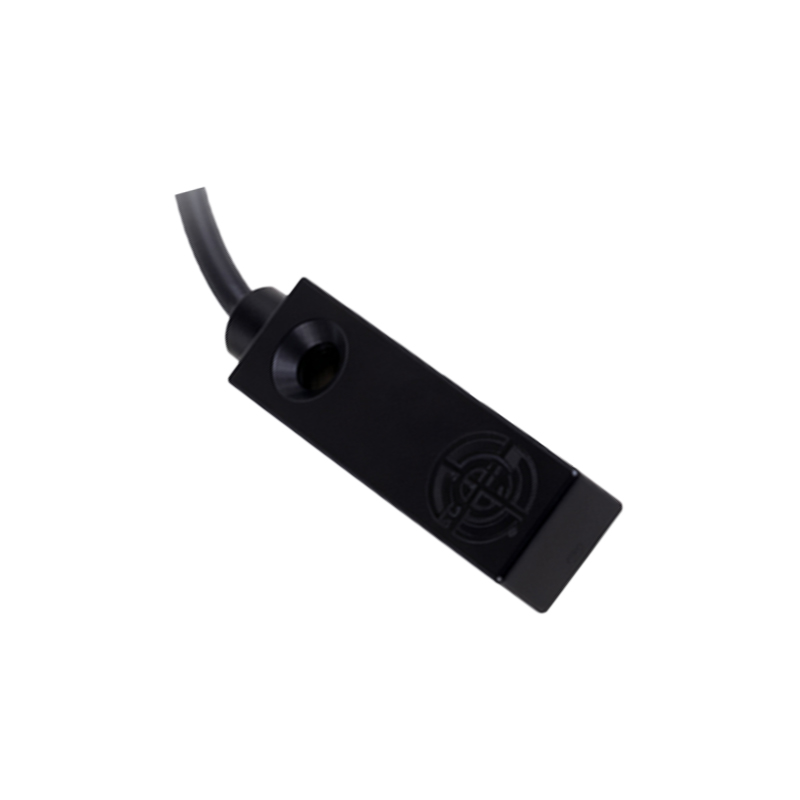
In summary, proximity switches and inductive sensors are indispensable in modern industrial systems, offering reliability, longevity, and precision. Their evolution continues with advancements in miniaturization and smart connectivity, integrating with IoT platforms for real-time monitoring. As automation grows more sophisticated, these sensors will remain at the forefront, driving efficiency and safety in manufacturing and beyond.