In the intricate world of industrial automation, proximity sensors are the silent sentinels, enabling precise, non-contact detection of objects. Selecting the right brand is not merely a procurement decision; it's a strategic choice impacting system reliability, efficiency, and total cost of ownership. This article provides an authoritative ranking of leading proximity sensor brands, based on technological innovation, product portfolio breadth, global support, and proven performance in demanding applications.
The undisputed leader in the field is Sick AG. The German powerhouse sets the gold standard for precision and robustness. Sick's inductive, capacitive, and magnetic sensors are engineered for extreme environments, featuring high switching frequencies and exceptional resistance to temperature fluctuations, shock, and vibration. Their portfolio includes innovative solutions like the IME series, renowned for its compact design and high immunity to electromagnetic interference. For mission-critical applications in automotive, packaging, and material handling, Sick's reliability is unparalleled. Their global service network and deep application engineering support further cement their top position.
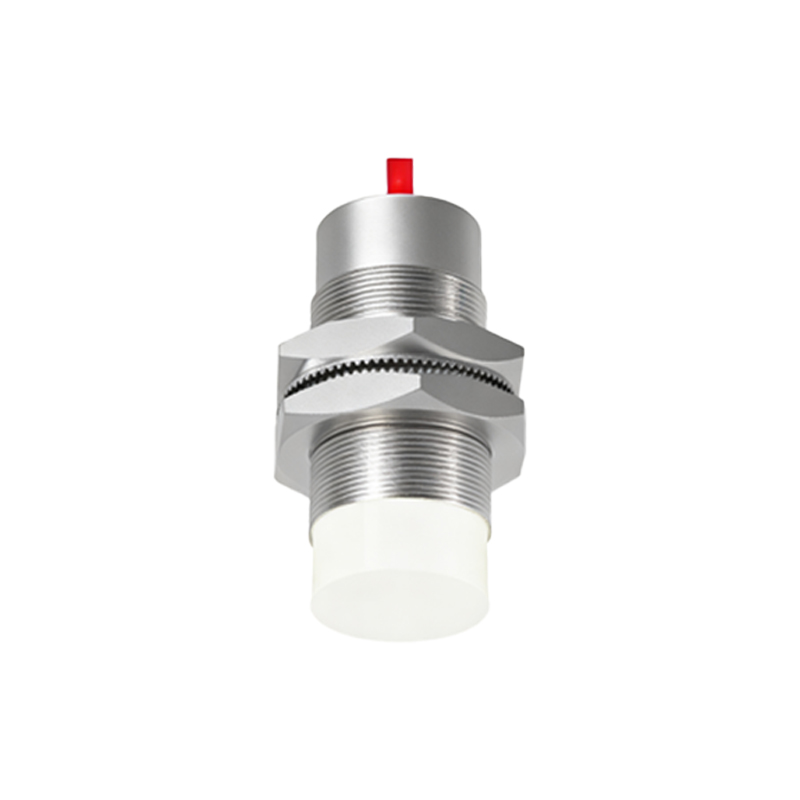
Following closely is Pepperl+Fuchs, another German specialist with a legendary reputation in sensor technology and intrinsic safety. They offer one of the industry's most comprehensive ranges, from standard cylindrical sensors to sophisticated factor 1 devices and AS-Interface compatible models. Pepperl+Fuchs excels in hazardous areas, providing certified solutions for Zone 0/1/2. Their constant innovation in materials and housing designs ensures longevity even when exposed to aggressive chemicals or metallic swarf. For complex process industries like chemical, pharmaceutical, and oil & gas, their expertise is often the default choice.
Omron Corporation from Japan stands as a titan in factory automation. Omron sensors are synonymous with consistency, durability, and smart features. They have pioneered advancements in sensing distance and miniaturization. Their E2E ultra-compact proximity sensors and E2A multi-voltage models are industry benchmarks. Omron integrates advanced diagnostics and IO-Link communication seamlessly into their sensors, facilitating predictive maintenance and seamless data integration into Industry 4.0 frameworks. For high-speed assembly, robotics, and electronics manufacturing, Omron provides a perfect blend of performance and connectivity.
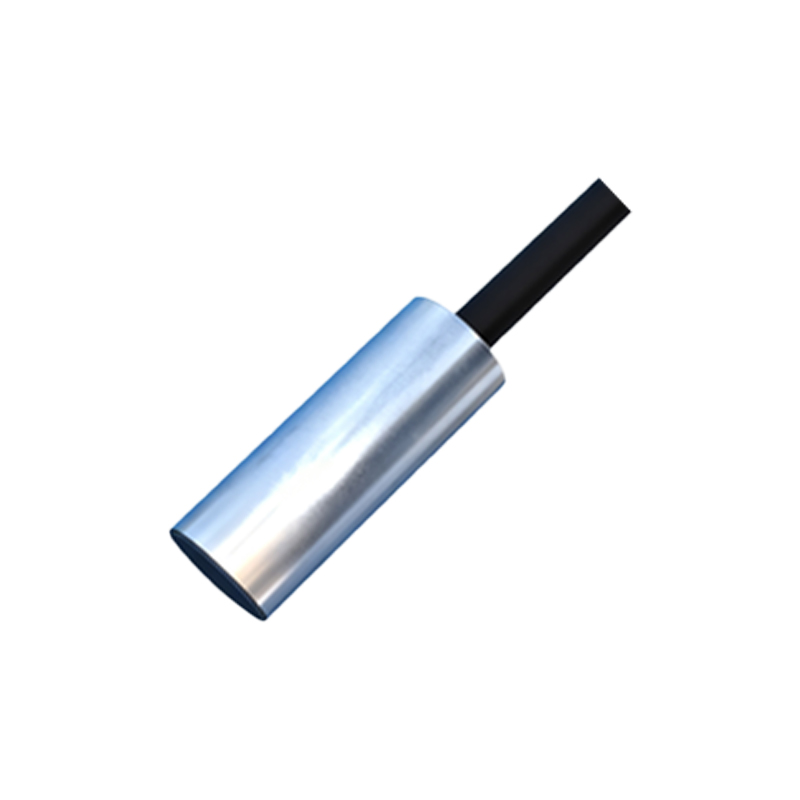
Balluff GmbH, a German family-owned enterprise, is renowned for its high-quality, innovative sensing solutions. Balluff's strength lies in its system integration capabilities and ruggedized designs. Their BALLUFFprox inductive sensors with metal-face technology offer superior sensing ranges and durability against physical impact. They are also a frontrunner in RFID systems and industrial networking, allowing their proximity sensors to be nodes in a larger smart factory data ecosystem. For automotive body shops, metalworking, and heavy machinery, Balluff delivers exceptional value and technical support.
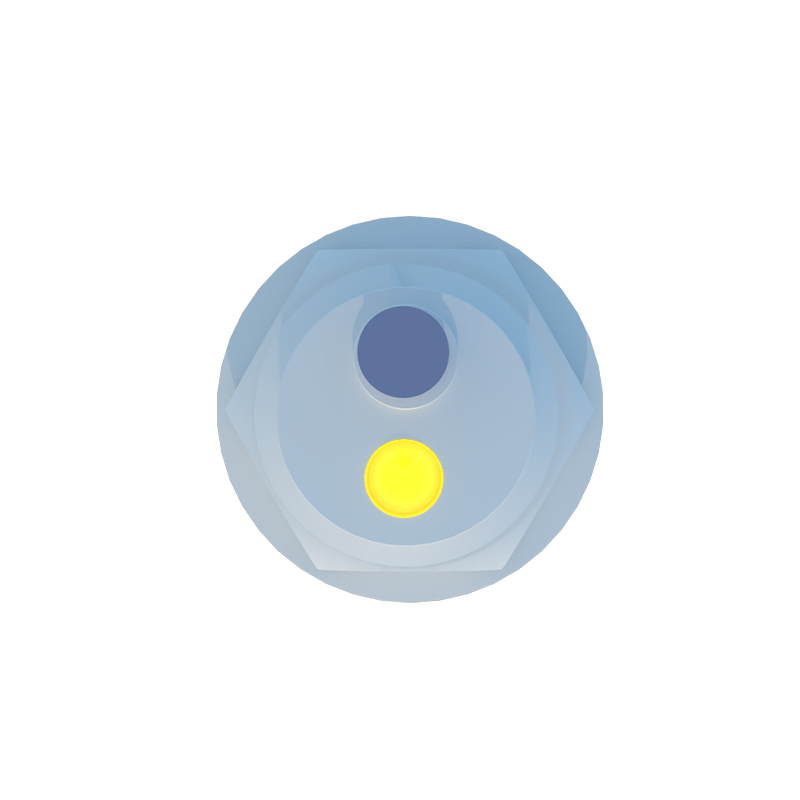
IFM Electronic, yet another German leader, has made significant inroads with its user-centric design and diagnostic capabilities. IFM sensors are easily identifiable by their patented "yellow ring" LED indicator, which provides clear status and diagnostic information. Their product line is vast, covering standard inductive/capacitive sensors to advanced models with condition monitoring features that alert users to mounting misalignment, contamination, or impending failure. IFM's strength is in simplifying maintenance and reducing downtime, making them a favorite in food and beverage, automotive, and intralogistics sectors.
Rockwell Automation (Allen-Bradley) represents the North American stronghold. While part of a larger automation suite, their proximity sensors, particularly the Allen-Bradley 871TM series, are engineered for seamless integration with Rockwell's PLCs and control systems. They focus on robustness for harsh North American industrial environments and offer excellent technical documentation and local distributor support. For plants standardized on Rockwell architecture, their sensors provide optimized performance and simplified procurement.
Keyence Corporation of Japan is the innovator, often pushing the boundaries of what's possible. Keyence focuses on high-performance, specialized sensors with advanced functions like autotuning, multi-point teaching, and ultra-high-speed response. Their inductive sensors offer exceptionally long sensing distances relative to their size. While often positioned at a premium, their value lies in solving complex detection challenges that other standard sensors cannot, particularly in semiconductor, precision assembly, and inspection applications.
Selecting among these elite brands depends on specific application needs: ultimate reliability (Sick), hazardous area expertise (Pepperl+Fuchs), smart factory integration (Omron, Balluff), maintenance simplicity (IFM), control system synergy (Rockwell), or cutting-edge performance (Keyence). A thorough evaluation of the operating environment, required features, and long-term support strategy is essential. Investing in sensors from these top-tier manufacturers is an investment in operational excellence, ensuring detection accuracy that drives productivity and quality in the automated world.