Proximity photoelectric sensors with physical switch functionality represent a critical advancement in industrial automation, combining non-contact detection with robust electrical control capabilities. These devices utilize modulated infrared or visible light beams to detect objects within precise ranges, typically from a few millimeters to several meters, while integrating electromechanical or solid-state switching mechanisms for direct circuit control.
The operational principle hinges on three primary configurations: through-beam, retro-reflective, and diffuse reflective sensing. Through-beam sensors employ separate emitter and receiver units, offering the longest detection distances and highest immunity to environmental interference. Retro-reflective types use a combined emitter-receiver with a reflector, balancing range and installation convenience. Diffuse reflective sensors rely on light reflected directly from the target, providing compact designs for close-range applications. The integrated physical switch—often a relay or semiconductor output—converts detection signals into isolated load control, enabling direct interface with PLCs, motor starters, and alarm systems without additional interfacing modules.
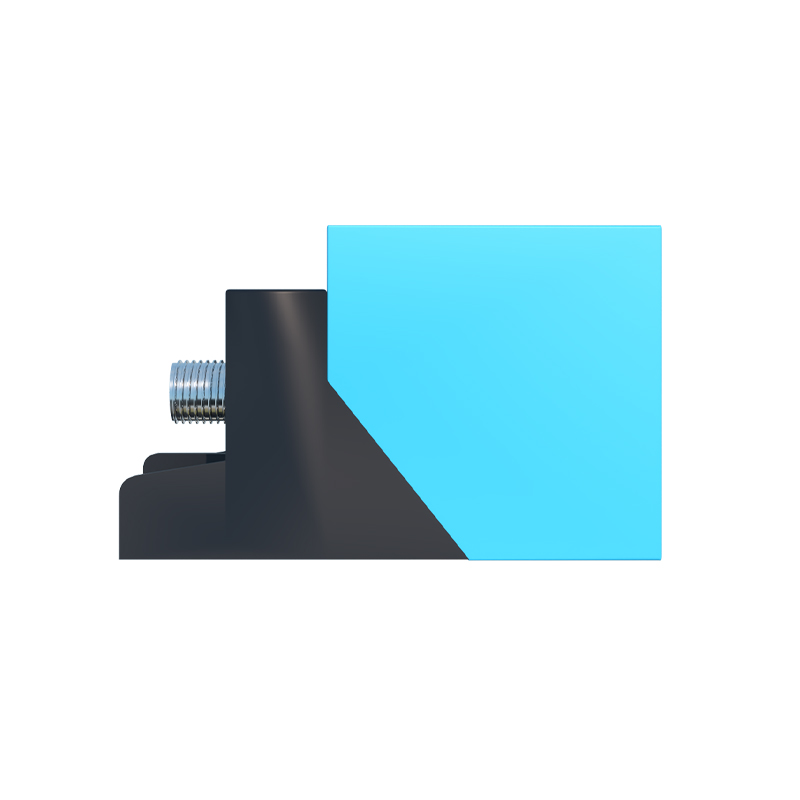
Key technical specifications include sensing distance repeatability (typically ±0.1% of range), response times under 1ms for high-speed applications, and NEMA/IP ratings for harsh environments. Advanced models incorporate background suppression technology using triangulation principles to ignore distant objects, and teach-in functionality for adaptive threshold calibration. The switching component must match load characteristics: electromechanical relays handle inductive loads up to 5A but have limited cycle life, while solid-state outputs provide millions of operations with surge protection for capacitive loads.
Installation considerations involve alignment stability, ambient light immunity through modulated light sources, and avoidance of mutual interference in multi-sensor arrays. Maintenance protocols emphasize lens cleaning with non-abrasive solvents and periodic verification of switching thresholds using certified calibration targets. Industry applications span automated packaging lines (detecting misaligned products), robotic end-effector positioning, safety curtain integration, and material level monitoring in bulk handling systems.
Emerging trends include IO-Link enabled sensors with digital parameterization, hybrid designs incorporating ultrasonic sensing for transparent object detection, and miniaturized versions for semiconductor manufacturing equipment. Compliance with IEC 60947-5-2 and UL 508 standards ensures interoperability in global industrial networks. Proper selection requires evaluating target material reflectivity, environmental contaminants, vibration profiles, and required failure modes—normally open versus normally closed configurations determine system behavior during power loss or sensor failure scenarios.
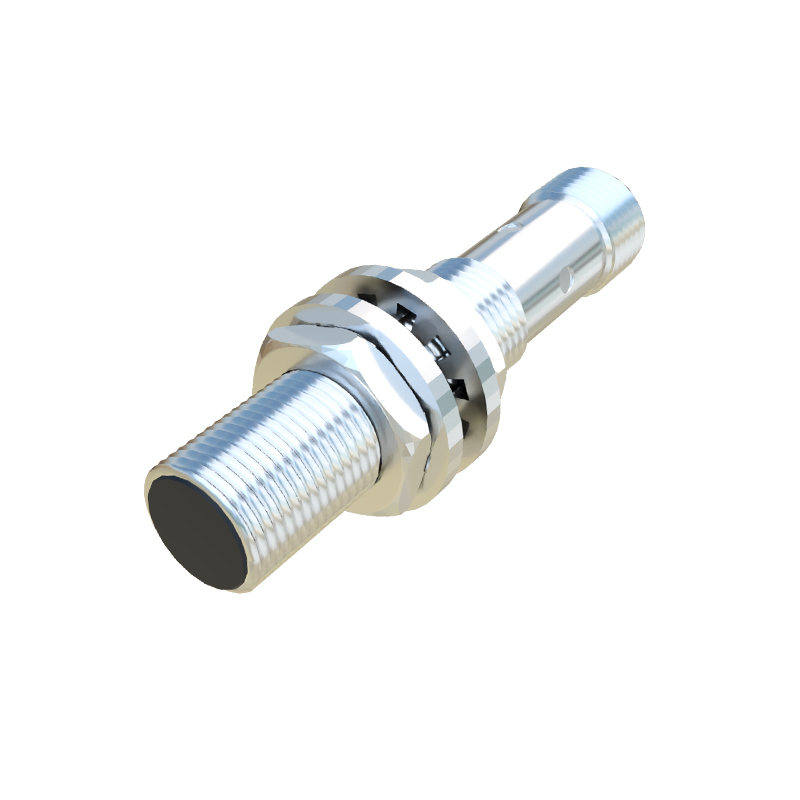
These sensors fundamentally enhance system reliability by eliminating mechanical wear associated with contact switches while providing diagnostic feedback through built-in LED indicators or network communications. Their evolution continues to bridge the gap between discrete sensing and direct control, forming the backbone of modern industrial interconnectivity.