In the realm of modern manufacturing, machine tools serve as the backbone of production lines, demanding unparalleled accuracy and efficiency. Among the critical components that ensure their optimal performance, proximity sensors stand out as indispensable devices for position detection and control. These sensors, operating without physical contact, play a pivotal role in monitoring the presence, absence, or position of objects within machining environments, thereby contributing to enhanced safety, reduced downtime, and improved product quality.
Proximity sensors in machine tools primarily function based on electromagnetic, capacitive, or inductive principles. Inductive sensors, for instance, are widely used for detecting metallic objects. They generate an electromagnetic field and respond to changes caused by conductive materials, making them ideal for applications such as tool positioning, spindle monitoring, and workpiece alignment. Capacitive sensors, on the other hand, can detect both metallic and non-metallic materials by measuring changes in capacitance, often employed in liquid level sensing or material handling systems. The selection of sensor type depends on factors like material composition, environmental conditions, and required sensing range.
The integration of proximity sensors into CNC (Computer Numerical Control) machines has revolutionized precision engineering. By providing real-time feedback on tool location and workpiece orientation, these sensors enable automated adjustments that minimize errors and prevent collisions. For example, in milling or turning operations, sensors can detect tool wear or breakage, triggering immediate shutdowns to avoid costly damage. Additionally, they facilitate seamless automation in robotic arms and conveyor systems, ensuring smooth material flow and reducing manual intervention.
Durability and reliability are paramount in industrial settings, where sensors are exposed to harsh conditions such as coolant splashes, metal chips, and temperature fluctuations. Modern proximity sensors are designed with robust housings, often rated IP67 or higher for dust and water resistance. Advanced models feature self-diagnostic capabilities, alerting operators to potential failures before they impact production. This proactive maintenance approach aligns with Industry 4.0 trends, where IoT-enabled sensors contribute to predictive analytics and smart factory ecosystems.
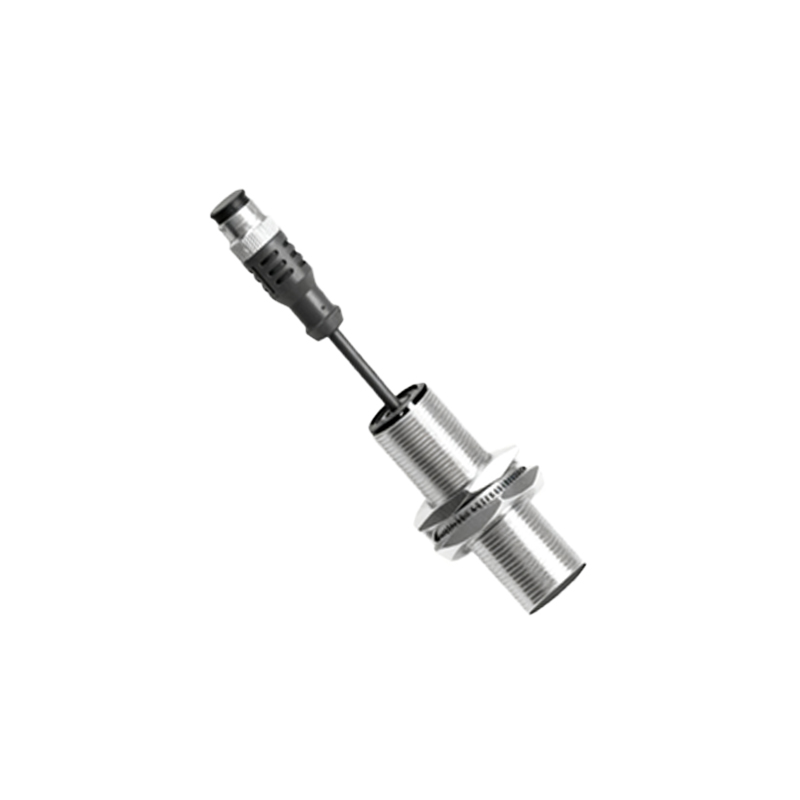
Despite their advantages, challenges persist in sensor implementation. Electromagnetic interference from motors or welding equipment can affect signal accuracy, necessitating proper shielding and installation practices. Calibration is also crucial to maintain sensing consistency over time. Engineers must consider factors like mounting distance, target material, and environmental noise to optimize performance. Regular testing and adherence to manufacturer guidelines help mitigate these issues, ensuring long-term operational stability.
Looking ahead, innovations in proximity sensing technology continue to emerge. Miniaturized sensors with higher sensitivity are enabling more compact machine designs, while wireless connectivity options enhance flexibility in retrofitting older equipment. The convergence of AI and sensor data is paving the way for adaptive machining processes, where real-time adjustments are made based on dynamic conditions. As industries strive for greater efficiency and sustainability, the role of proximity sensors in reducing waste and energy consumption will only grow.
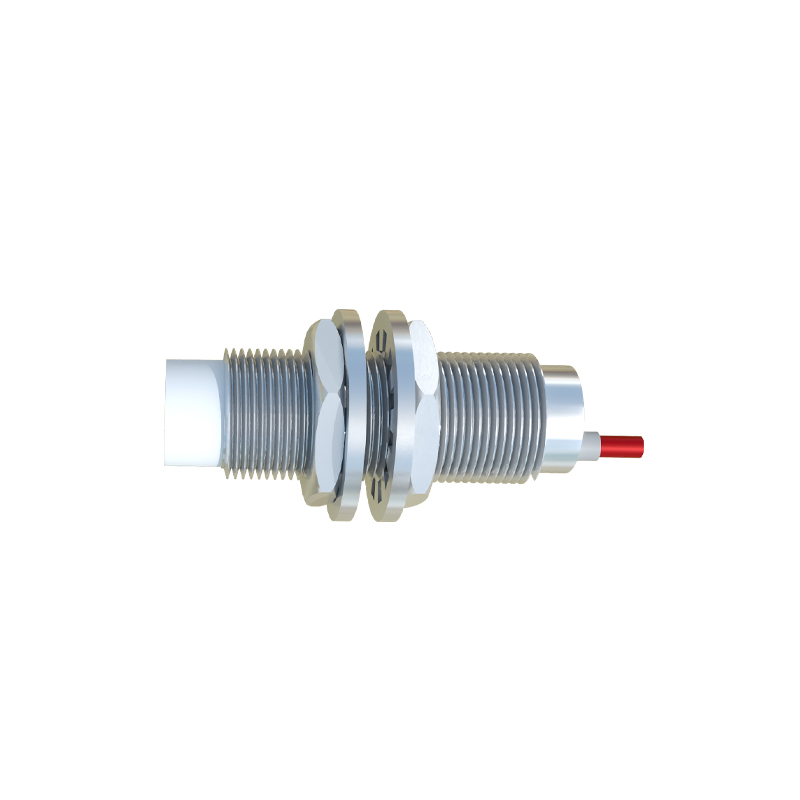
In conclusion, proximity sensors are vital elements in the architecture of contemporary machine tools. Their ability to provide non-contact, precise detection supports the demands of high-speed, automated manufacturing. By understanding their principles, applications, and maintenance needs, engineers can leverage these devices to drive productivity and innovation in the ever-evolving landscape of industrial automation.