Interactive proximity sensors represent a significant leap forward in industrial automation, merging precision detection with intelligent responsiveness. Unlike traditional sensors that merely detect presence, these advanced devices engage in real-time communication with their environment, enabling dynamic adjustments and enhanced operational efficiency. At their core, interactive proximity sensors utilize technologies such as capacitive, inductive, ultrasonic, or infrared sensing to identify objects without physical contact. However, what sets them apart is their integration with microprocessors and software algorithms, allowing for adaptive behavior—like adjusting sensitivity based on object material or environmental conditions.
In manufacturing, interactive proximity sensors are pivotal for smart assembly lines. They can distinguish between different components on a conveyor belt, triggering specific actions such as sorting, packaging, or quality checks. For instance, in automotive production, these sensors ensure robotic arms precisely weld or install parts by continuously monitoring proximity and orientation, reducing errors and downtime. Their ability to "learn" from data patterns through machine learning integrations further optimizes processes, predicting maintenance needs before failures occur.
Safety is another critical domain where interactive proximity sensors excel. In hazardous environments, they create virtual safety zones around machinery, instantly halting operations if a worker enters a restricted area. This proactive approach minimizes accidents and complies with stringent regulations like ISO 13849. Moreover, in consumer electronics, these sensors enhance user experience—smartphones use them to disable touchscreens during calls, while home automation systems rely on them for energy-saving lighting controls.
The evolution towards Industry 4.0 and the Internet of Things (IoT) has amplified the importance of interactive proximity sensors. They serve as key nodes in interconnected networks, transmitting data to central systems for analytics and decision-making. Challenges remain, such as interference from electromagnetic noise or extreme temperatures, but ongoing research into materials and wireless protocols is addressing these issues. As industries prioritize efficiency and safety, interactive proximity sensors will continue to redefine automation, offering scalable solutions from small-scale robotics to large infrastructure projects.
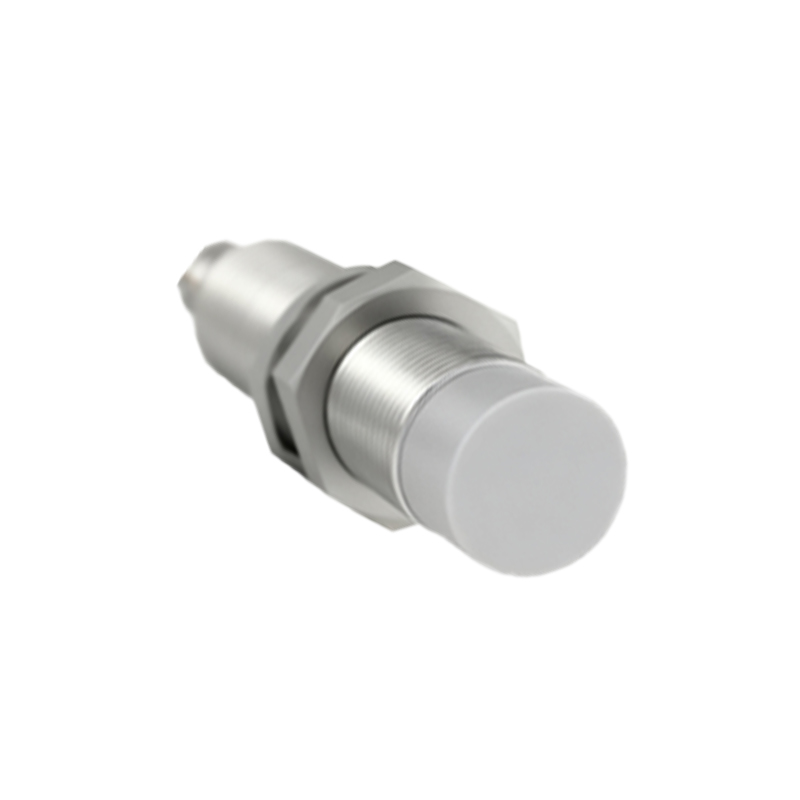
Ultimately, the adoption of interactive proximity sensors signifies a shift from passive monitoring to active engagement, empowering industries to achieve higher productivity and reliability. Their versatility across sectors—from logistics to healthcare—underscores their role as indispensable tools in the modern technological landscape, driving innovation while safeguarding human and machine interactions.