In the realm of industrial automation, photoelectric proximity sensors play a pivotal role in detecting objects without physical contact, relying on light beams to sense presence, distance, or position. These sensors are integral to systems ranging from assembly lines to robotic arms, where precision and reliability are paramount. However, the welding process involved in installing or repairing these sensors is often overlooked, yet it is critical for ensuring optimal performance and longevity. This article delves into the key considerations and best practices for welding photoelectric proximity sensors, tailored for electrical engineers and industry professionals.
Photoelectric proximity sensors typically consist of components such as infrared LEDs, phototransistors, and housing materials like stainless steel or plastic. When welding is required—whether for mounting brackets, shielding, or integrating sensor housings into larger assemblies—several factors must be addressed to prevent damage. First, the heat generated during welding can adversely affect sensitive internal electronics. Excessive temperatures may degrade the LED's output, alter the phototransistor's sensitivity, or cause thermal expansion that misaligns optical elements. To mitigate this, it is essential to use low-heat welding techniques, such as TIG (Tungsten Inert Gas) welding or laser welding, which offer precise control over heat input. Shielding the sensor with heat sinks or thermal barriers during welding can further protect delicate parts.
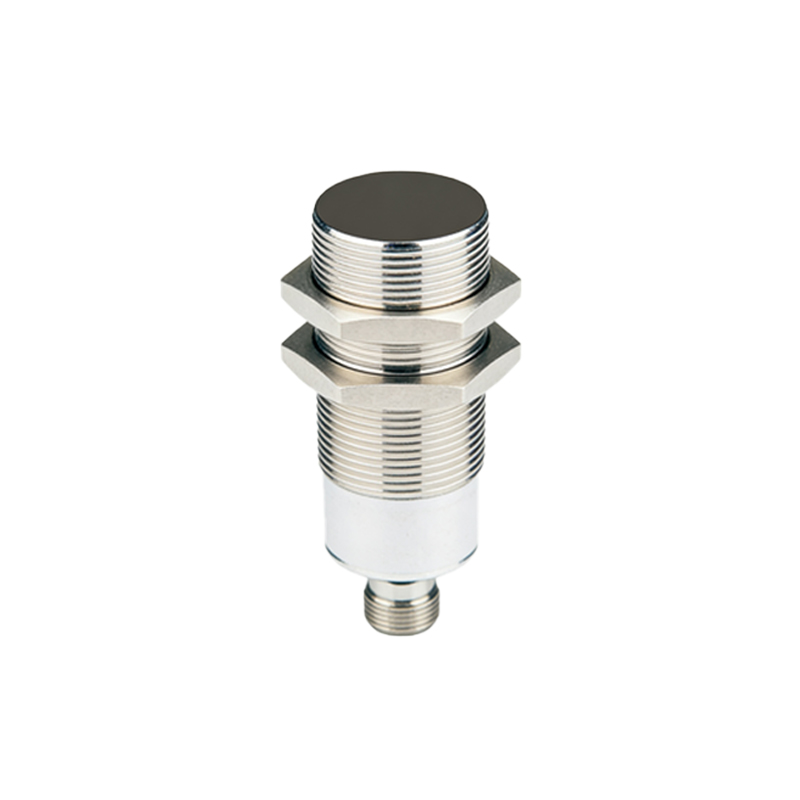
Material compatibility is another crucial aspect. Many photoelectric sensors feature housings made of metals like aluminum or coated steels, which require specific welding methods to avoid corrosion or weakening. For instance, MIG (Metal Inert Gas) welding might be suitable for steel brackets, but it could introduce spatter that contaminates the sensor's lens. Engineers should select welding materials that match the sensor's housing to ensure strong bonds without compromising integrity. Additionally, pre-cleaning surfaces to remove oils or debris prevents defects in the weld joint, which could lead to mechanical failures in high-vibration environments.
Electrical interference poses a significant challenge during welding. The high currents used in processes like arc welding can generate electromagnetic fields that disrupt the sensor's signal processing, causing false triggers or reduced accuracy. To counter this, it is advisable to disconnect the sensor from power sources during welding and employ grounding techniques to dissipate stray currents. In sensitive applications, using shielded cables and maintaining distance between weld zones and sensor wiring can minimize interference. Post-weld testing, such as signal calibration and functionality checks, is vital to verify that the sensor operates within specified parameters.
Environmental factors also influence welding outcomes. In industries like automotive manufacturing or food processing, photoelectric sensors may be exposed to moisture, dust, or chemicals. Welding should be performed in controlled conditions to prevent contamination of the sensor's optical path. For example, in humid settings, ensuring weld seams are sealed can avert condensation buildup that might fog the lens. Moreover, following industry standards, such as ISO 13849 for safety systems, helps maintain compliance and reliability.
In practice, a systematic approach to welding photoelectric proximity sensors involves planning, execution, and validation. Engineers should consult manufacturer guidelines—many sensor providers offer technical notes on welding tolerances—and consider prototyping if mass installations are planned. Training welders on the unique requirements of electronic components can reduce error rates. As technology advances, with trends toward miniaturization and IoT integration, the precision demanded in welding will only increase, making these best practices essential for sustaining industrial efficiency.
Ultimately, welding photoelectric proximity sensors is not merely a mechanical task but a multidisciplinary endeavor blending electrical engineering, materials science, and quality assurance. By prioritizing heat management, material selection, interference reduction, and environmental safeguards, professionals can enhance sensor durability and system performance. This attention to detail ensures that these critical devices continue to enable automation, contributing to smarter and more resilient industrial operations.