In the realm of industrial automation and machinery, proximity sensors stand as critical components for non-contact detection, ensuring precision, safety, and efficiency. As a specialized supplier or distributor, offering a comprehensive range of proximity sensors is not merely about stocking products—it's about providing tailored solutions that meet diverse operational demands. This article delves into the key considerations for sourcing and applying these sensors, highlighting their types, applications, and selection criteria.
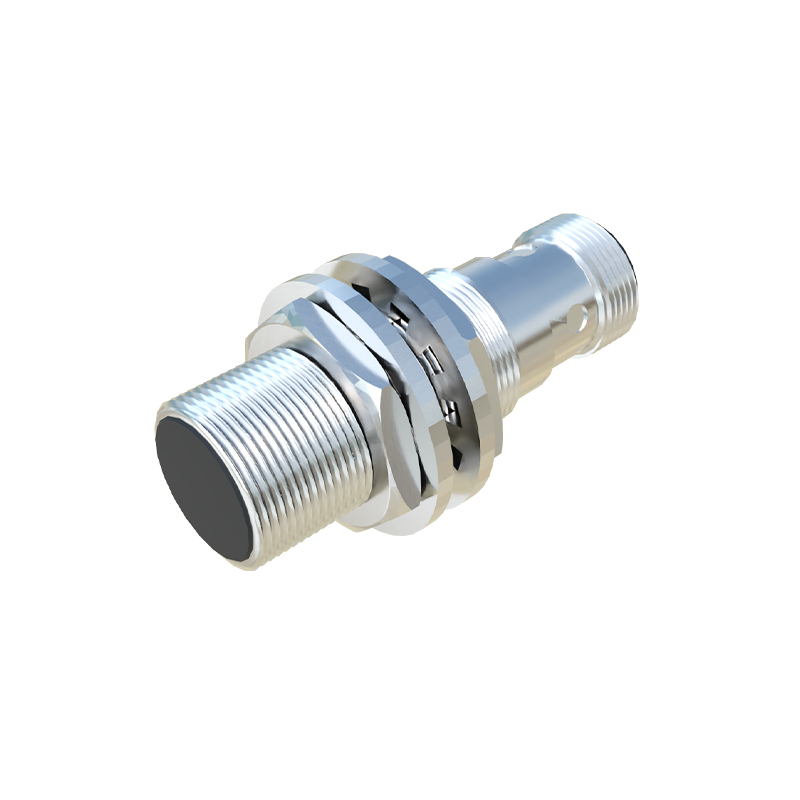
Proximity sensors are designed to detect the presence or absence of objects without physical contact, using technologies such as inductive, capacitive, ultrasonic, and magnetic principles. Inductive sensors, for instance, are ideal for metal detection in harsh environments like manufacturing lines, while capacitive sensors can handle non-metallic materials including liquids and plastics. Ultrasonic sensors offer long-range detection capabilities, suitable for level monitoring or obstacle avoidance, and magnetic sensors excel in position sensing for cylinders and valves. Each type serves distinct industrial needs, from automotive assembly to food processing, where reliability and durability are paramount.
When selecting proximity sensors, engineers must evaluate factors like sensing range, output type (e.g., NPN, PNP, analog), environmental resistance (IP ratings for dust and moisture), and mounting options. For example, in high-vibration settings, ruggedized sensors with robust housings are essential to prevent false triggers. Additionally, compatibility with control systems—such as PLCs or IoT networks—ensures seamless integration into automated workflows. A specialized supplier should offer technical support, including datasheets, application guides, and customization services, to help clients optimize sensor performance and reduce downtime.
The market for proximity sensors is evolving with trends toward miniaturization, smart connectivity, and energy efficiency. As industries adopt Industry 4.0 practices, sensors with IO-Link or Ethernet interfaces enable real-time data exchange for predictive maintenance. Sourcing from a dedicated provider ensures access to the latest innovations, along with reliable supply chains and compliance with international standards (e.g., IEC, UL). Whether for OEMs or maintenance teams, partnering with a sensor specialist can enhance operational resilience and drive productivity gains.
In summary, proximity sensor specialization involves more than product availability—it requires deep industry knowledge and a commitment to quality. By understanding sensor technologies and application contexts, suppliers can deliver value-driven solutions that empower industrial automation.