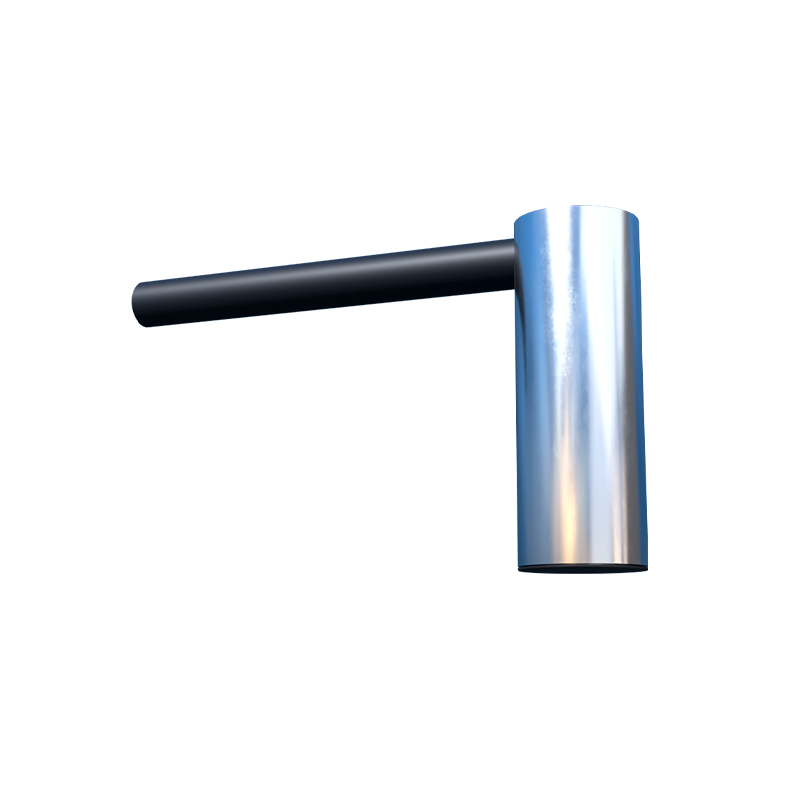
Proximity switch speed sensors are critical components in modern industrial automation, providing non-contact detection and precise speed monitoring for rotating machinery, conveyor systems, and motion control applications. These sensors operate on principles such as inductive, capacitive, or magnetic sensing to detect the presence, absence, or rotational speed of metallic or non-metallic targets. Despite their robust design, proximity switch speed sensors are susceptible to various failures that can disrupt production lines, cause equipment damage, or lead to safety hazards. Understanding common failure modes, diagnostic techniques, and preventive measures is essential for maintaining operational efficiency and minimizing downtime.
One prevalent failure mode involves sensor output signal degradation or loss. This often results from accumulated contamination, such as dust, oil, or metal shavings, which interfere with the sensor's sensing field. In harsh industrial environments, exposure to moisture, chemicals, or extreme temperatures can degrade internal electronics or housing integrity. Electrical issues, including wiring faults, loose connections, or voltage fluctuations, may cause erratic readings or complete sensor failure. Additionally, mechanical misalignment between the sensor and its target—due to vibration, impact, or improper installation—can reduce detection accuracy or trigger false signals. Wear and tear over time, especially in high-cycle applications, may also lead to component fatigue or calibration drift.
Diagnosing proximity switch speed sensor failures requires a systematic approach. Technicians typically begin with visual inspections for physical damage, contamination, or misalignment. Using multimeters or oscilloscopes, they check output signals against manufacturer specifications to identify abnormalities like signal dropouts, noise, or incorrect voltage levels. Monitoring the sensor's response to target movement helps detect intermittent issues. In programmable logic controller (PLC) integrated systems, analyzing error codes or ladder logic can pinpoint sensor-related faults. For complex cases, specialized diagnostic tools, such as industrial signal analyzers or thermal cameras, may reveal hidden problems like overheating or electromagnetic interference.
Preventive maintenance plays a crucial role in mitigating sensor failures. Regular cleaning schedules, using appropriate solvents and tools, prevent contaminant buildup. Ensuring proper installation—with correct mounting distances, alignment, and environmental shielding—extends sensor lifespan. Implementing stable power supplies with surge protection safeguards against electrical disturbances. Routine calibration checks, based on operational hours or production cycles, help maintain accuracy. Upgrading to sensors with higher ingress protection (IP) ratings or enhanced durability for specific conditions, such as high-vibration or corrosive settings, can reduce failure rates. Training personnel on correct handling and troubleshooting procedures further enhances reliability.
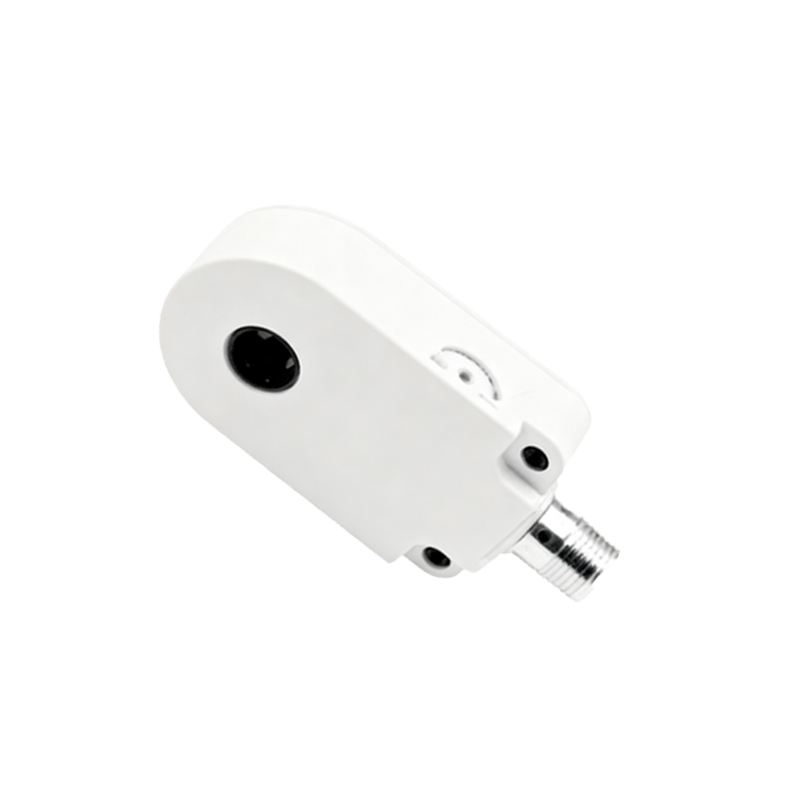
In summary, proximity switch speed sensor failures stem from environmental, electrical, and mechanical factors. Proactive maintenance, combined with effective diagnostics, ensures these sensors continue to support efficient and safe industrial operations. By addressing root causes and adopting best practices, engineers can optimize performance and reduce unplanned downtime in automated systems.