In modern industrial automation and process control, the integration of proximity switches within tension sensor systems represents a critical advancement in ensuring precision, reliability, and safety. Tension sensors, which measure the force exerted on materials such as wires, textiles, or films during manufacturing, rely heavily on accurate detection mechanisms to maintain optimal operational parameters. Proximity switches, as non-contact sensing devices, play a pivotal role in this context by providing real-time feedback on the position and movement of components, thereby enhancing the overall functionality of tension control systems.
Proximity switches operate on various principles, including inductive, capacitive, and magnetic sensing technologies. Inductive proximity switches are commonly employed in tension sensor applications due to their ability to detect metallic objects without physical contact. These switches generate an electromagnetic field and respond to changes caused by the presence of a conductive target, such as a roller or guide in a tensioning assembly. When integrated with tension sensors, they can monitor the alignment and displacement of moving parts, triggering alerts or adjustments if deviations exceed predefined thresholds. This capability is essential in preventing material breakage, ensuring consistent tension levels, and reducing downtime in high-speed production lines.
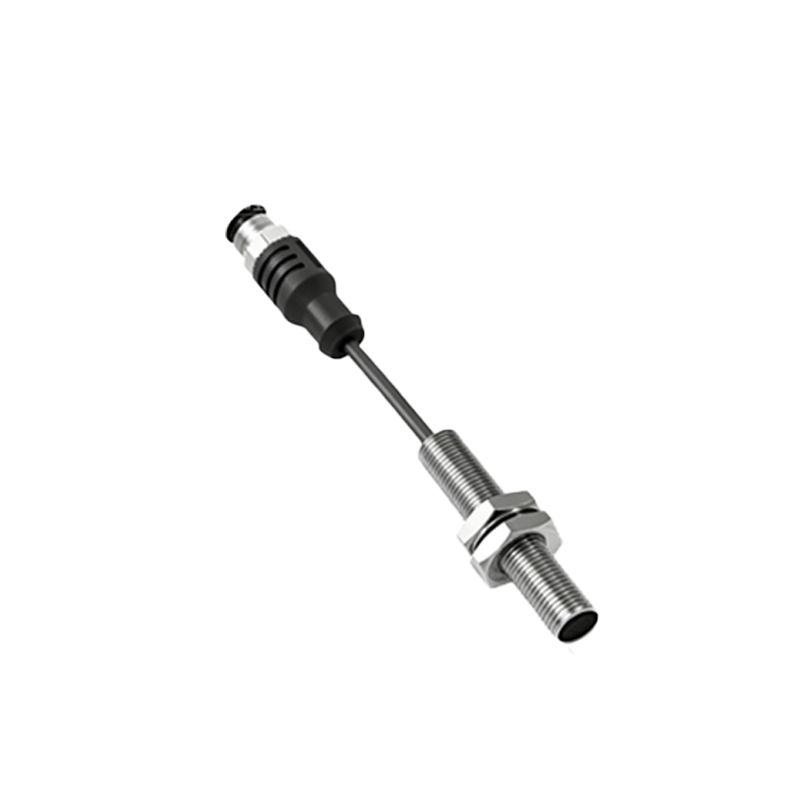
The selection of an appropriate proximity switch for a tension sensor system depends on several factors, including the environmental conditions, material properties, and required sensing range. For instance, in harsh industrial environments with exposure to dust, moisture, or temperature fluctuations, ruggedized proximity switches with high ingress protection (IP) ratings are recommended. Additionally, the switch's response time and repeatability must align with the dynamic requirements of the tension control process. Engineers often opt for switches with short response times (e.g., microseconds) to capture rapid changes in tension, thereby enabling swift corrective actions through programmable logic controllers (PLCs) or other automation interfaces.
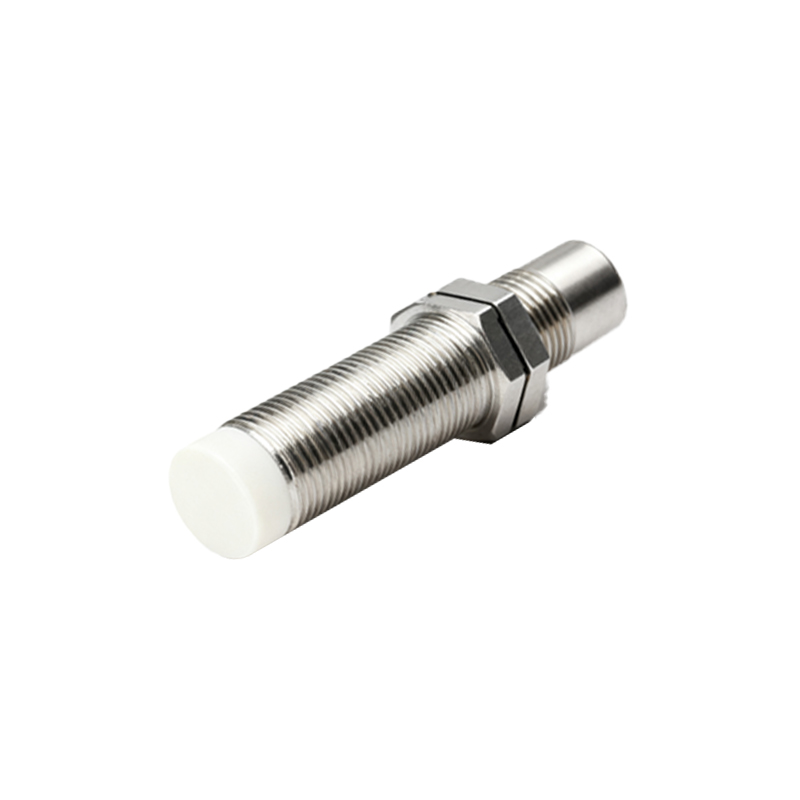
In practice, proximity switches are typically installed at strategic points within tension sensor setups, such as near dancer rollers, load cells, or brake mechanisms. Their non-contact nature minimizes wear and tear, extending the lifespan of both the switches and the mechanical components they monitor. Furthermore, the integration of these switches with tension sensors facilitates advanced functionalities like automatic calibration, fault diagnosis, and predictive maintenance. By analyzing data from proximity switches, operators can identify trends in component wear or misalignment, scheduling interventions before failures occur and thus optimizing overall system efficiency.
Despite their advantages, challenges may arise when implementing proximity switches in tension sensor systems. Electromagnetic interference (EMI) from nearby machinery can affect sensor accuracy, necessitating proper shielding and grounding techniques. Additionally, the detection range and sensitivity must be carefully calibrated to avoid false triggers from non-target objects. Regular maintenance and testing are crucial to ensure long-term reliability, as contamination or mechanical shifts can degrade performance over time.
Looking ahead, advancements in smart sensor technology and the Industrial Internet of Things (IIoT) are poised to enhance the role of proximity switches in tension control. Wireless proximity switches with embedded diagnostics and communication protocols (e.g., IO-Link) offer greater flexibility and data accessibility, enabling remote monitoring and integration with cloud-based analytics platforms. These innovations will further improve the precision and adaptability of tension sensor systems, supporting trends toward Industry 4.0 and sustainable manufacturing practices.
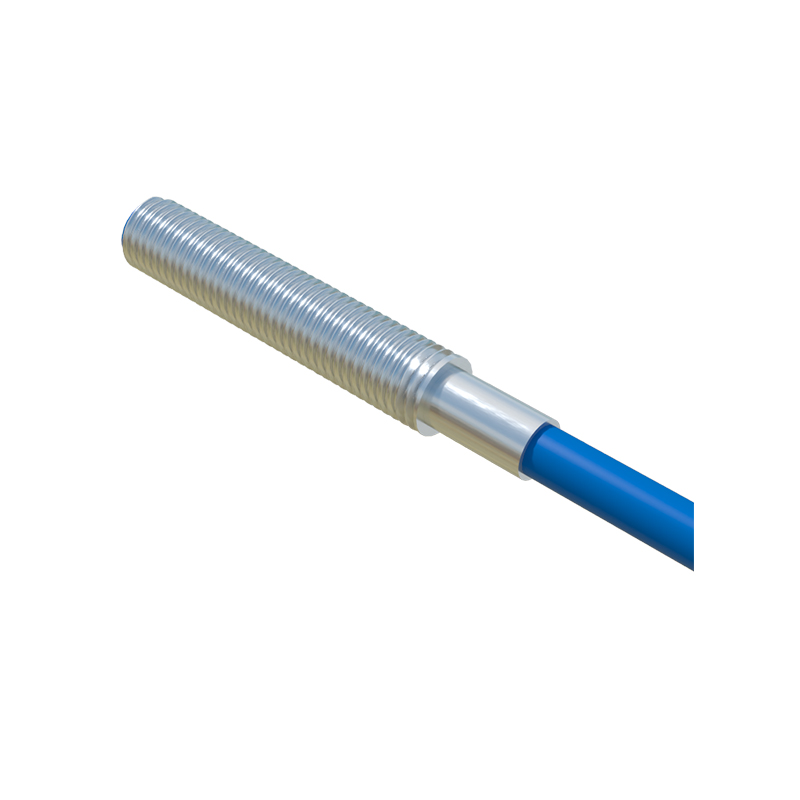
In summary, proximity switches are indispensable components in tension sensor systems, providing non-contact detection that enhances accuracy, safety, and operational efficiency. By understanding their principles, selection criteria, and integration methods, electrical engineers can design robust solutions tailored to diverse industrial applications, from paper processing to cable manufacturing. As technology evolves, the synergy between proximity switches and tension sensors will continue to drive improvements in automation and quality control across sectors.