In the realm of industrial automation, consumer electronics, and automotive systems, proximity sensors play a pivotal role. Understanding the associated English terminology is crucial for engineers, technicians, and procurement specialists operating in a globalized market. This guide delves into the core vocabulary, operational principles, and common applications, providing a clear linguistic framework for this essential technology.
At its core, a proximity sensor is a device that detects the presence or absence of an object within a specified range without physical contact. The key term here is "non-contact detection." These sensors generate an electromagnetic field or a beam of electromagnetic radiation and look for changes in the field or return signal. The object being detected is often termed the target. The standard sensing distance or detection range varies significantly based on the sensor type and target material.
Several primary types of proximity sensors are defined by their underlying technology. Inductive proximity sensors are among the most common. They generate an oscillating electromagnetic field and detect the eddy currents induced in a metallic target. Key specifications include their switching frequency (how quickly they can detect objects) and whether they are shielded (flush mountable) or unshielded. Capacitive proximity sensors can detect both metallic and non-metallic targets (like plastic, wood, or liquids) by measuring changes in capacitance. Ultrasonic proximity sensors emit high-frequency sound waves and calculate distance by measuring the time of flight of the reflected echo. Photoelectric sensors, sometimes used for proximity detection, operate by emitting a light beam (often infrared) and detecting its reflection or interruption.
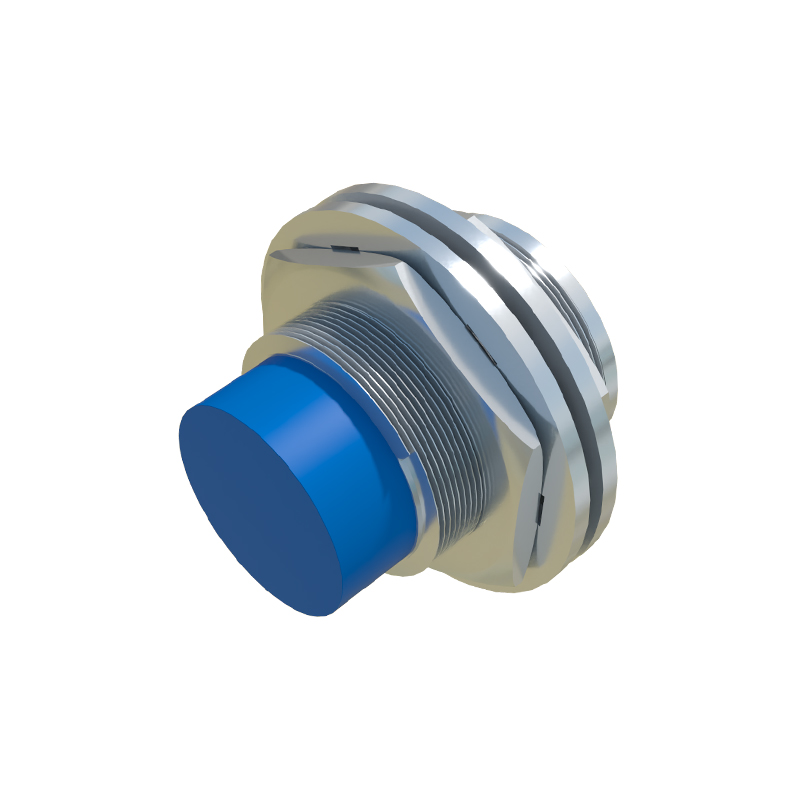
Critical performance parameters are described using specific terms. Hysteresis refers to the difference between the operating point when the target approaches and the release point when it moves away, preventing chatter in the output signal. Repeatability defines the sensor's consistency in detecting the same target at the same distance. The output of a sensor is typically described as NPN (sinking) or PNP (sourcing) in DC models, and NO (Normally Open) or NC (Normally Closed) for relay or contact configurations. The IP (Ingress Protection) rating, such as IP67, indicates the sensor's resilience to dust and water, a vital factor for installation environments.
The application vocabulary is vast. In automotive manufacturing, proximity sensors are used for position sensing of robotic arms and end-of-travel detection. In mobile phones, they manage display blanking during calls. On conveyor systems, they perform object counting and jam detection. Phrases like "detect the presence of a metal cap on a bottle" or "control the level of granular material in a silo" are common in technical documents. Troubleshooting often involves checking the power supply, wiring integrity, and ensuring the target is within the rated sensing distance and material specifications.
When integrating these sensors, one must consult the datasheet for electrical characteristics like operating voltage and current consumption. Installation notes warn against mounting sensors too close to each other to avoid mutual interference. The response time is critical for high-speed applications.
Mastering this lexicon enables precise communication in specification writing, system design, maintenance manuals, and international procurement. Whether selecting a sensor for machine safety guarding, precision assembly, or inventory management, the correct use of English technical terms ensures clarity, reduces errors, and facilitates seamless integration across global engineering projects. The language of proximity sensors, therefore, is not merely academic; it is the functional bridge between a component's capability and its real-world implementation.