In the realm of industrial automation, precision and reliability are paramount. Among the myriad of sensing technologies available, the 485 inductive proximity sensor stands out as a cornerstone for countless applications. This device represents a sophisticated fusion of robust inductive sensing principles with the versatile and widely adopted 485 communication protocol, creating a powerful tool for modern manufacturing, material handling, and process control environments.
At its core, an inductive proximity sensor operates on a simple yet effective principle. It generates an oscillating electromagnetic field from its sensing face. When a metallic object enters this field, eddy currents are induced on the surface of the target. This causes a change in the oscillation amplitude within the sensor's internal circuit. The sensor detects this change and triggers a switching action. The key advantage of this non-contact method is its exceptional durability. Since there is no physical contact with the target, the sensor experiences minimal wear and tear, leading to a long operational life even in harsh conditions filled with dust, oil, or coolant.
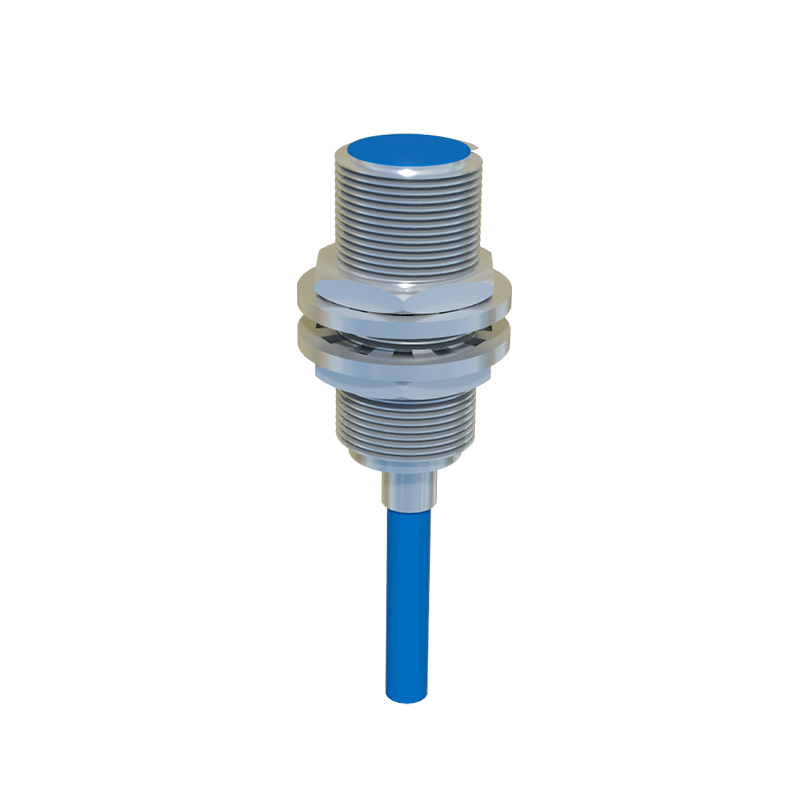
The "485" designation refers to the communication protocol it employs, typically based on the RS-485 standard. This is a critical differentiator from standard two-wire or three-wire DC sensors that provide only a simple switched output (PNP or NPN). Integrating a 485 interface transforms the sensor from a simple switch into an intelligent node on a network. Through this serial communication link, the sensor can transmit more than just an on/off signal. It can relay detailed diagnostic data, such as its operational status, internal temperature, signal strength, or even a scaled analog value representing the precise distance to the target. This allows for predictive maintenance, as technicians can monitor sensor health before a failure causes downtime.
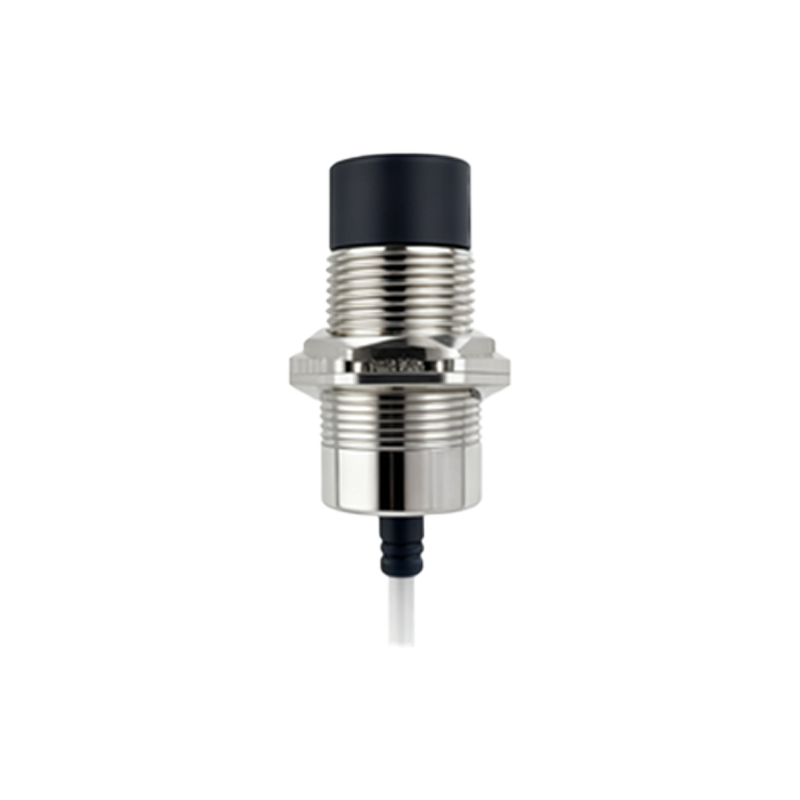
The integration of the 485 protocol offers significant advantages in system design. It enables the connection of multiple sensors on a single two-wire bus, drastically reducing wiring complexity, installation time, and cost compared to running individual cables for each sensor back to the controller. This daisy-chain capability is ideal for large-scale installations like automated assembly lines, packaging machinery, or warehouse automation systems where dozens or hundreds of sensing points are required. Communication protocols like Modbus RTU are commonly layered over the 485 physical layer, providing a standardized way for programmable logic controllers (PLCs), human-machine interfaces (HMIs), and other control systems to query data from each sensor on the network.
When selecting a 485 inductive proximity sensor for an application, several technical specifications must be considered. The sensing range, typically specified for a standard mild steel target, is fundamental. Common ranges vary from 2mm to 15mm or more. The sensor must be rated for the specific type of metal being detected, as factors like the target's material composition, size, and shape can affect the effective sensing distance. Environmental protection is another crucial factor, denoted by the Ingress Protection (IP) rating. A rating of IP67, for example, certifies the sensor as dust-tight and capable of withstanding temporary immersion in water, making it suitable for washdown areas in food and beverage plants.
Installation and configuration are streamlined with modern 485 sensors. They often feature LED indicators for power and signal status. Configuration, such as setting the node address or baud rate for the network, is usually accomplished via simple push-button sequences or through dedicated configuration software connected via the 485 port. This flexibility allows for easy integration into existing control architectures.
In practice, these sensors are deployed in a vast array of industrial tasks. They are used for precise position detection of metal parts on a conveyor, monitoring the presence of tools in a CNC machine turret, counting metal products, controlling the limit of a robotic arm's movement, or verifying the closed position of a metal door or hatch. The networked data provided by the 485 interface enables not just control but also comprehensive process monitoring and data logging for quality assurance.
In conclusion, the 485 inductive proximity sensor is more than just a proximity switch. It is an intelligent, networked sensing solution that brings enhanced diagnostics, simplified wiring, and rich data capabilities to industrial environments. Its robustness, coupled with the flexibility of serial communication, makes it an indispensable component in the ongoing advancement towards smarter, more connected, and more efficient industrial operations. By choosing the correct sensor specifications and leveraging its communication features, engineers can build more reliable, maintainable, and data-driven automated systems.