In the rapidly evolving automotive industry, the integration of advanced sensor technologies has become pivotal for enhancing vehicle safety and performance. Among these innovations, wiper laser sensors represent a significant leap forward in automotive electronics. These sensors utilize laser-based detection systems to monitor environmental conditions, particularly precipitation on windshields, enabling automated and optimized wiper operation. Unlike traditional rain sensors that rely on optical or capacitive methods, laser sensors offer superior accuracy and responsiveness by emitting laser beams to measure the density and intensity of raindrops or snowflakes in real-time.
The core mechanism of a wiper laser sensor involves a laser diode and a photodetector. The laser diode projects a focused beam onto the windshield surface. When precipitation occurs, the laser light scatters upon contact with water droplets or ice particles. The photodetector captures this scattered light, analyzing changes in intensity and pattern to determine the precipitation rate. This data is then processed by an onboard electronic control unit (ECU), which adjusts wiper speed and frequency accordingly. For instance, in light drizzle, the system may activate intermittent wiping, while heavy rain triggers continuous high-speed operation. This automation not only improves driver convenience but also reduces distractions, contributing to safer driving experiences in adverse weather conditions.

One of the key advantages of wiper laser sensors is their high precision and reliability. Traditional sensors can be affected by external factors such as dirt, glare, or temperature fluctuations, leading to false readings. In contrast, laser technology minimizes these interferences by using coherent light waves that are less susceptible to environmental noise. Additionally, laser sensors can detect minute particles, allowing for early response to onset precipitation before it significantly impairs visibility. This proactive capability is crucial for preventing accidents, as studies show that reduced visibility during rain or snow increases collision risks by up to 30%.
From an engineering perspective, the implementation of wiper laser sensors involves careful consideration of design and integration. Automotive engineers must ensure that the sensor components are durable enough to withstand harsh conditions, including extreme temperatures, vibrations, and UV exposure. The laser diode typically operates in the near-infrared spectrum to avoid interference with human vision and comply with safety regulations. Moreover, the sensor housing is often embedded discreetly within the windshield or rearview mirror assembly to maintain aesthetic appeal and aerodynamic efficiency. Calibration is another critical aspect, requiring alignment with vehicle-specific parameters to ensure accurate detection across different glass curvatures and coatings.

In terms of performance, wiper laser sensors contribute to energy efficiency and sustainability in modern vehicles. By optimizing wiper usage based on real-time data, these systems reduce unnecessary motor activation, thereby lowering power consumption and extending the lifespan of wiper components. This aligns with broader automotive trends toward electrification and smart energy management. Furthermore, the data collected by laser sensors can be integrated with other vehicle systems, such as adaptive lighting or autonomous driving modules, to create a cohesive safety ecosystem. For example, in autonomous vehicles, precise weather detection enables better decision-making for navigation and control systems.
Despite their benefits, challenges remain in the widespread adoption of wiper laser sensors. Cost is a primary concern, as laser components are generally more expensive than conventional alternatives. However, as production scales and technology advances, prices are expected to decrease. Another issue is the need for standardization across manufacturers to ensure compatibility and interoperability. Industry collaborations and regulatory frameworks are gradually addressing these hurdles, with organizations like SAE International developing guidelines for sensor integration.
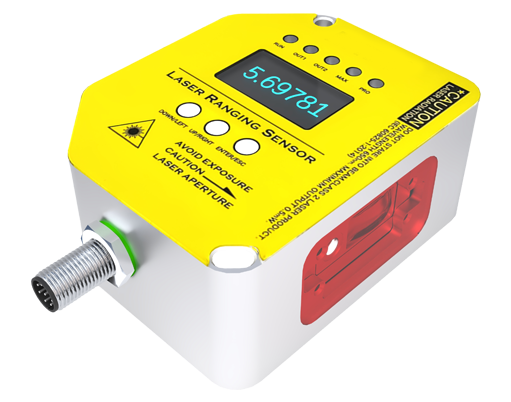
Looking ahead, the future of wiper laser sensors is promising, with ongoing research focused on enhancing functionality. Innovations may include multi-spectral laser systems capable of distinguishing between rain, snow, and debris, or AI-driven algorithms that predict weather patterns based on historical data. As vehicles become more connected, these sensors could also communicate with infrastructure or other cars to share weather information, improving collective road safety. In summary, wiper laser sensors exemplify how cutting-edge technology can transform mundane automotive features into intelligent systems that prioritize safety, efficiency, and user experience. Their continued evolution will undoubtedly play a vital role in shaping the next generation of smart vehicles.