Proximity sensors are critical components in modern industrial automation, providing non-contact detection of metallic and non-metallic objects. Proper maintenance ensures reliable operation, reduces downtime, and extends sensor lifespan. This article outlines key maintenance practices for inductive, capacitive, and magnetic proximity sensors commonly used in manufacturing, packaging, and material handling systems.
Regular inspection is the foundation of effective maintenance. Visually check sensors for physical damage, such as cracks in housing or corrosion on sensing faces. Accumulation of dust, oil, or metal shavings can interfere with detection. Clean sensing surfaces using a soft cloth and isopropyl alcohol, avoiding abrasive materials that could scratch protective coatings. For sensors in harsh environments, verify that IP ratings remain adequate—consider upgrading to IP67 or IP69K-rated models if frequent washdowns or chemical exposure occur.
Electrical performance verification should be conducted quarterly. Measure supply voltage stability within the sensor's specified range (typically 10-30V DC). Use an oscilloscope to monitor output signal integrity, checking for rise time degradation or unexpected pulse variations. Load current should remain within manufacturer specifications; excessive current may indicate internal component wear. For analog sensors, validate linearity by measuring output signals at known distance intervals using calibration jigs.
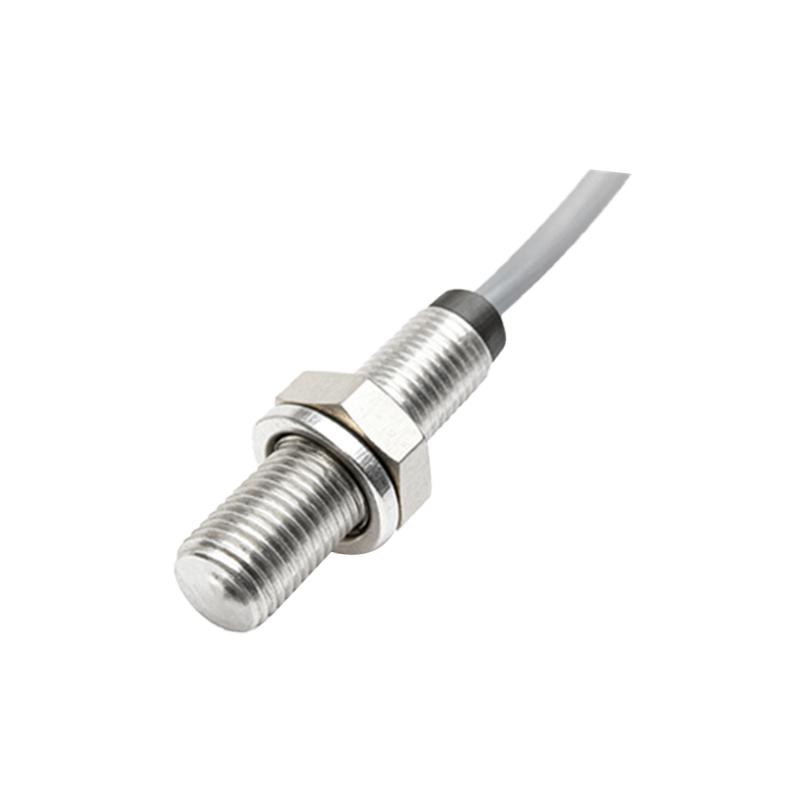
Environmental factors significantly impact sensor reliability. Temperature fluctuations can cause thermal drift, particularly in capacitive sensors detecting non-metallic materials. Ensure ambient temperatures stay within the sensor's operating range, usually -25°C to 70°C for industrial models. Vibration can loosen mounting hardware or internal connections—tighten mounting bolts to specified torque values using a calibrated torque wrench. In high-vibration applications, consider sensors with built-in vibration resistance or add mechanical damping.
Alignment maintenance is crucial for consistent detection. Misalignment reduces effective sensing distance and causes intermittent failures. Use alignment tools or laser pointers to verify perpendicular orientation between sensor and target. For cylindrical sensors, maintain recommended lateral offset (typically 0-10% of sensing distance). Update alignment records after adjustments to establish maintenance baselines.
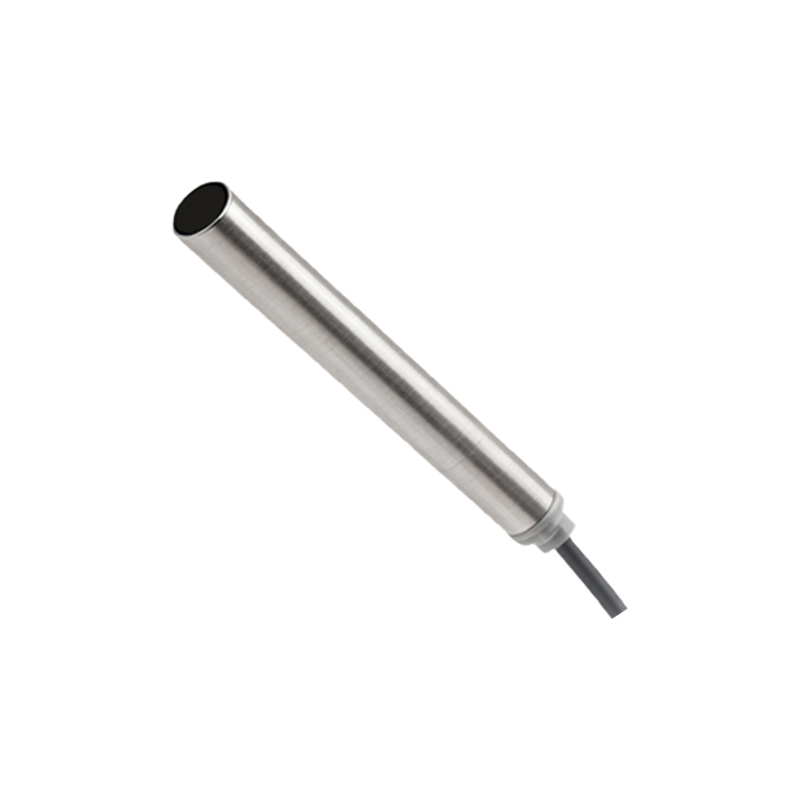
Wiring and connection checks prevent signal loss. Inspect cables for insulation damage, especially at stress points near connectors. Measure cable resistance; increases above 0.5Ω per meter may indicate conductor degradation. Secure cable glands to prevent moisture ingress and strain relief to avoid tension on internal terminals. For quick-disconnect models, clean contact pins with electrical contact cleaner and apply dielectric grease to prevent corrosion.
Diagnostic indicators simplify troubleshooting. Most modern sensors feature LED status lights—understand blinking patterns indicating overload, short-circuit, or temperature warnings. Some models offer IO-Link connectivity for digital diagnostics, providing real-time data on operating hours, temperature history, and signal quality. Utilize this data for predictive maintenance scheduling.
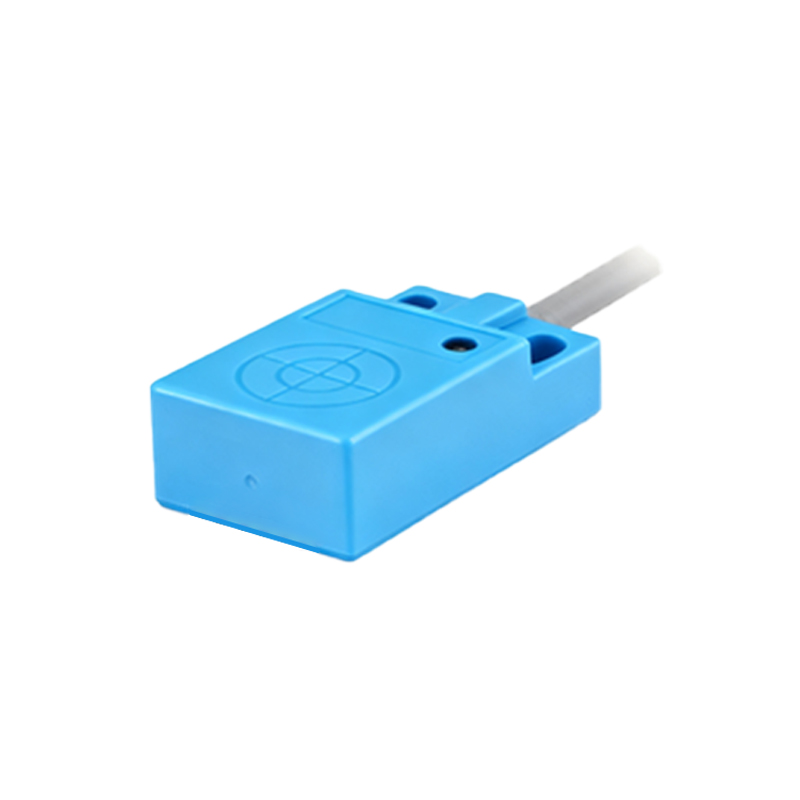
Calibration procedures vary by sensor type. Inductive sensors rarely need recalibration unless detecting unusual alloys. Capacitive sensors may require adjustment when material dielectric constants change—use the potentiometer or teach-in function with actual target material present. Magnetic sensors should be tested with the original actuator magnet to maintain switching point accuracy.
Spare parts management ensures quick replacements. Keep critical spares based on mean time between failure (MTBF) data and lead times. When replacing sensors, record model numbers, sensing distances, output types (PNP/NPN), and connection styles to maintain system compatibility. Consider upgrading to newer technologies during replacements—modern sensors offer improved noise immunity and diagnostic capabilities.
Training personnel enhances maintenance effectiveness. Technicians should understand sensing principles, installation requirements, and failure modes. Develop standardized checklists for daily visual inspections and monthly performance verification. Document all maintenance activities in computerized maintenance management systems (CMMS) to identify recurring issues and optimize replacement intervals.
Proactive maintenance strategies reduce unexpected failures. Implement condition-based monitoring using vibration sensors or thermal cameras near critical installations. Analyze failure trends—frequent failures in specific locations may indicate environmental issues requiring engineering solutions like protective shrouds or relocation. Collaborate with sensor manufacturers for application-specific recommendations, as improper sensor selection accounts for over 30% of premature failures.
By integrating these practices into routine maintenance schedules, facilities can achieve 95%+ sensor reliability rates. Remember that sensor maintenance is not isolated—it interacts with mechanical alignment, electrical stability, and environmental control systems. A holistic approach combining regular inspections, performance testing, and data-driven decision making maximizes return on automation investments while ensuring continuous production flow.