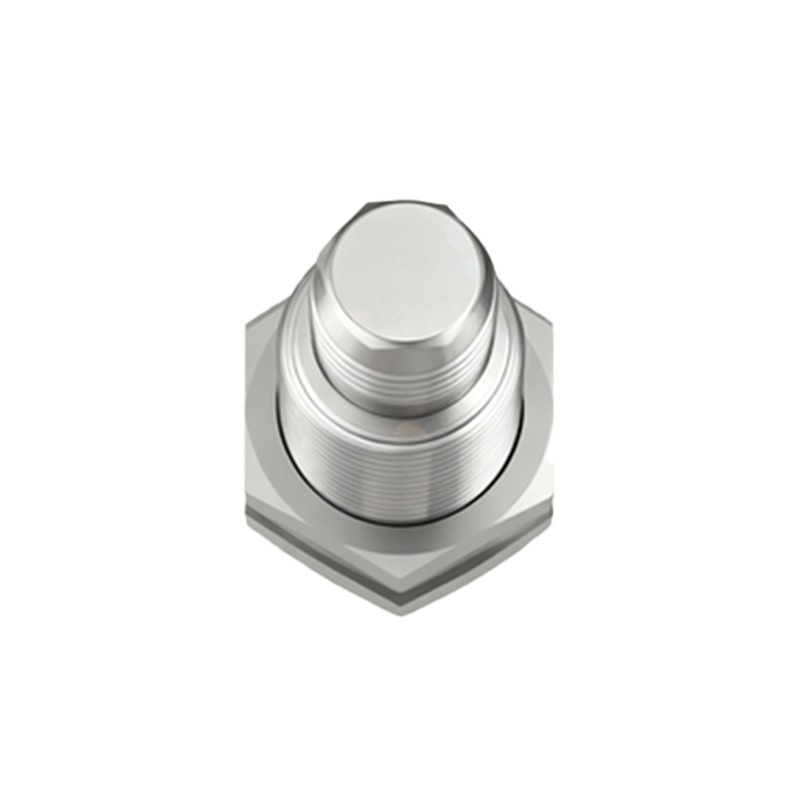
In the realm of industrial automation and electrical engineering, proximity sensors are indispensable components for detecting the presence or absence of objects without physical contact. While much attention is given to their sensing elements, such as inductive, capacitive, or photoelectric mechanisms, the role of springs within these devices is often overlooked. Springs play a critical function in ensuring the reliability, durability, and precision of proximity sensors, particularly in harsh operational environments. This article delves into the specific roles and importance of springs in proximity sensor design and performance.
Firstly, springs in proximity sensors primarily serve as mechanical stabilizers and compensators. In many sensor designs, especially those with threaded housings for mounting, springs are integrated to absorb vibrations and shocks from machinery. Industrial settings are rife with mechanical vibrations that can lead to sensor misalignment or premature failure. By incorporating springs, manufacturers enhance the sensor's ability to maintain consistent positioning, thereby ensuring accurate detection over time. For instance, in inductive proximity sensors used on conveyor systems, springs help dampen the impact of moving parts, reducing false triggers and extending the sensor's lifespan.
Secondly, springs facilitate proper electrical contact and connection integrity. In some proximity sensor models, springs are employed within the wiring or terminal compartments to maintain secure electrical connections. Loose connections can result in signal loss, intermittent operation, or complete sensor failure. Springs exert a constant pressure on terminals, preventing them from loosening due to thermal expansion, vibration, or other environmental factors. This is crucial in applications where sensors are subjected to temperature fluctuations or high levels of mechanical stress, such as in automotive manufacturing or metal processing plants.
Moreover, springs contribute to the environmental sealing of proximity sensors. Many sensors are designed with spring-loaded seals or gaskets that protect internal components from contaminants like dust, moisture, and chemicals. In IP-rated (Ingress Protection) sensors, springs ensure that sealing elements remain compressed, maintaining a tight barrier against external elements. This is vital for sensors deployed in washdown environments, outdoor installations, or industries like food processing where hygiene standards require frequent cleaning. Without effective spring-assisted sealing, sensors could succumb to corrosion or short circuits, leading to costly downtime.
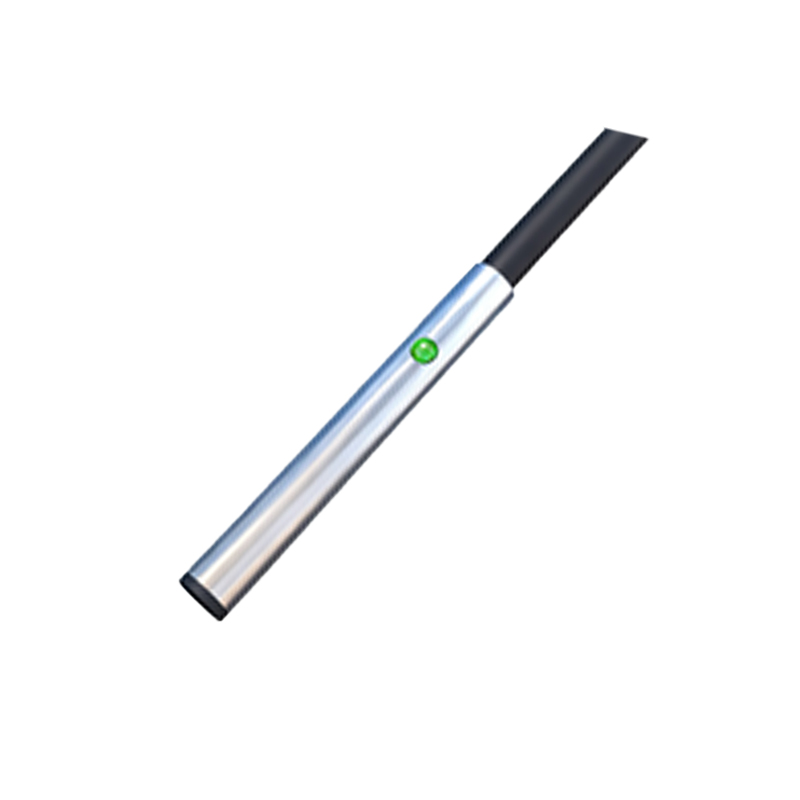
Additionally, springs play a role in the adjustment and calibration of certain proximity sensor types. For example, in adjustable-range sensors, springs may be used in the mechanism that allows for fine-tuning of the sensing distance. This enables technicians to optimize sensor performance for specific applications, enhancing flexibility and efficiency. In high-precision tasks, such as robotic assembly or packaging, such adjustability can be the difference between optimal operation and production errors.
The material selection for springs in proximity sensors is also a key consideration. Engineers typically choose materials like stainless steel or specialized alloys that offer corrosion resistance, elasticity, and longevity. These materials must withstand repeated compression and expansion cycles without degrading, ensuring the sensor remains functional over thousands of operating hours. In extreme conditions, such as high-temperature environments found in foundries or chemical plants, spring materials are selected to resist thermal fatigue, further underscoring their importance in sensor reliability.
In conclusion, while springs may seem like minor components in proximity sensors, their functions are integral to overall performance. From mechanical stabilization and electrical integrity to environmental protection and adjustability, springs enhance the robustness and accuracy of these devices. For electrical engineers and industry professionals, understanding the role of springs can inform better selection, maintenance, and application of proximity sensors, ultimately contributing to smoother and more efficient industrial operations. As technology advances, the design of springs continues to evolve, supporting the development of more resilient and intelligent sensing solutions in the electrical and automation sectors.