In the intricate world of industrial automation, where precision, reliability, and safety are paramount, proximity sensors stand as silent sentinels. Often referred to as proximity switches, these devices are fundamental components that detect the presence or absence of an object without any physical contact. Their ability to perform this task reliably in harsh environments makes them indispensable across countless applications, from manufacturing assembly lines and robotic systems to automotive production and material handling.
At their core, proximity sensors operate on the principle of non-contact detection. Unlike mechanical limit switches that require physical actuation, proximity sensors use various fields or beams to sense a target. This key characteristic eliminates mechanical wear and tear, significantly enhancing operational life and reliability. The absence of physical contact also allows for high-speed detection and is ideal for sensing fragile, soft, or freshly painted objects that could be damaged by touch.
The functionality of a proximity sensor is elegantly simple: when a target object enters its sensing range, it triggers a solid-state electronic switch. This switch then sends an electrical signal to a controller, such as a Programmable Logic Controller (PLC), which initiates a pre-programmed action. This action could be anything from counting items on a conveyor, determining the position of a machine part, initiating a robotic welding sequence, or providing a safety interlock.
Several primary technologies dominate the proximity sensor landscape, each with distinct advantages and ideal use cases. Inductive proximity sensors are the workhorses of metal detection. They generate an electromagnetic field and detect the eddy current losses caused when a metallic target enters this field. They are exceptionally robust, immune to environmental factors like dust, oil, and moisture, and are perfect for detecting ferrous and non-ferrous metals in machinery.
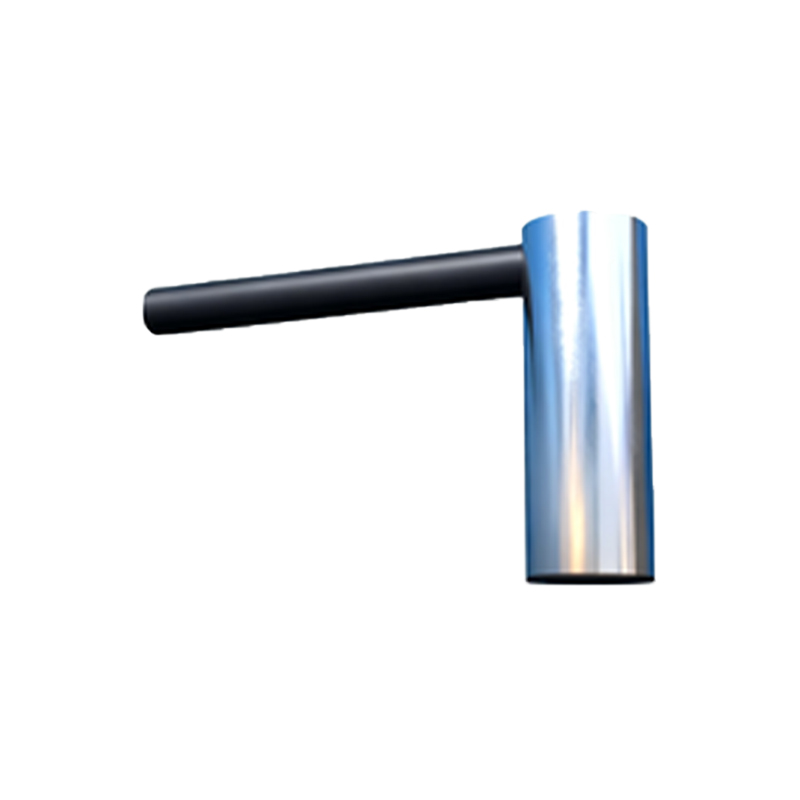
Capacitive proximity sensors, on the other hand, can detect both metallic and non-metallic materials, including liquids, plastics, glass, and wood. They work by sensing changes in capacitance caused by the dielectric properties of a target entering an electrostatic field. This makes them invaluable in applications like liquid level detection, material presence sensing in hoppers, or detecting non-metallic packaging.
For longer-range detection and sensing of virtually any material, photoelectric sensors are the preferred choice. They operate by emitting a beam of light (visible red, infrared, or laser) and detecting its reflection or interruption. Through-beam sensors offer the longest range and highest reliability, using separate emitter and receiver units. Retro-reflective sensors bounce light off a reflector, while diffuse sensors detect light reflected directly from the target itself. Their versatility is unmatched, though they can be susceptible to environmental interference like dust or ambient light.
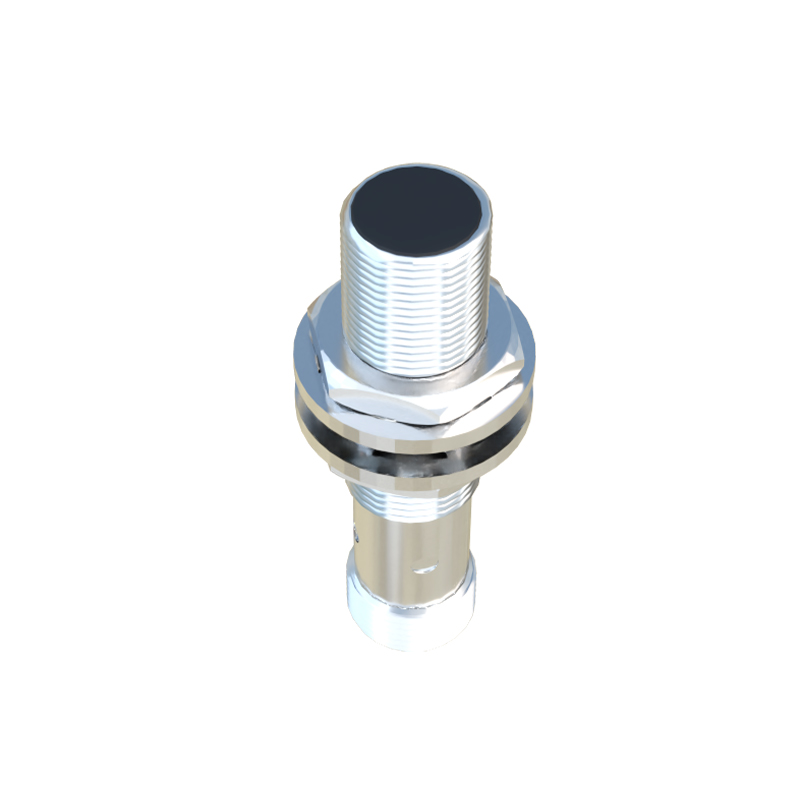
Finally, ultrasonic proximity sensors use high-frequency sound waves to measure the time it takes for an echo to return, effectively calculating distance. They excel in challenging conditions where other sensors might fail, such as detecting transparent objects, measuring liquid levels in turbulent conditions, or operating in environments with heavy airborne particulates.
Selecting the right proximity sensor requires careful consideration of several key parameters. The sensing range, or the maximum distance at which the sensor can reliably detect a standard target, is crucial. The target material directly dictates the technology choice (inductive for metals, capacitive for varied materials). Environmental factors like temperature extremes, washdown conditions, or exposure to chemicals demand sensors with appropriate ingress protection (IP) ratings. The output type, typically NPN (sinking) or PNP (sourcing), must be compatible with the control system's input module. Physical housing style (barrel, rectangular, ring-shaped) and mounting constraints also play a significant role in the selection process.
The benefits of integrating proximity sensors into an automated system are substantial. They enable higher machine speeds due to fast response times, contribute to improved product quality through precise positioning, and enhance overall system safety by providing non-contact interlocks. Their maintenance-free operation reduces downtime and total cost of ownership. As Industry 4.0 and the Industrial Internet of Things (IIoT) advance, modern proximity sensors are evolving with features like IO-Link communication. This allows for detailed diagnostics, parameter setting via the controller, and the transmission of process data beyond a simple on/off signal, paving the way for predictive maintenance and smarter, more connected factories.
In conclusion, the humble proximity sensor is far more than a simple switch. It is a critical enabler of modern automation, providing the essential "eyes" for machinery in a rugged, reliable, and versatile package. Understanding their operating principles, types, and selection criteria is fundamental for any engineer or technician tasked with designing, maintaining, or optimizing automated industrial systems. Their continued evolution ensures they will remain at the forefront of efficient and intelligent manufacturing for years to come.