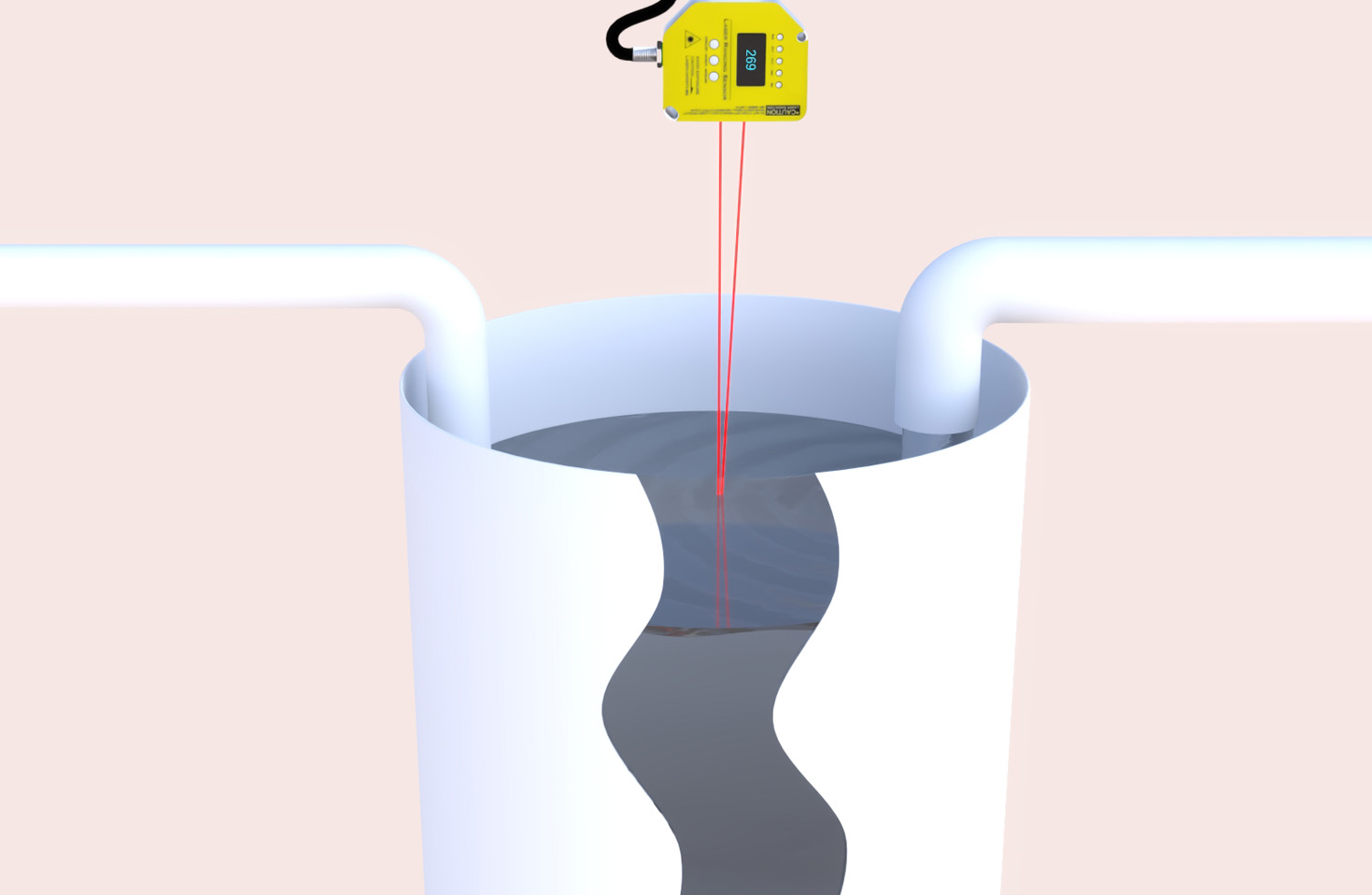
Laser sensor FK technology represents a significant advancement in industrial automation, offering high-precision measurement and detection capabilities. These sensors utilize laser beams to accurately measure distances, detect objects, and monitor processes in real-time. The "FK" designation often refers to specific models or series known for their reliability and performance in demanding environments. In manufacturing, laser sensor FK units are widely used for quality control, positioning, and safety applications. Their ability to operate with minimal interference from environmental factors like dust or vibration makes them ideal for sectors such as automotive, electronics, and logistics.
The core principle behind laser sensor FK technology involves emitting a focused laser beam toward a target. The sensor then analyzes the reflected light to calculate parameters like distance, size, or presence. This non-contact method ensures no physical wear on the sensor or the object, enhancing longevity and reducing maintenance costs. Advanced versions incorporate features such as adjustable sensitivity, high-speed response, and integration with IoT systems for data analytics. For instance, in automated assembly lines, laser sensor FK devices can detect minute defects in products, triggering corrective actions without human intervention.
Key benefits of laser sensor FK include improved accuracy, often within micrometer ranges, and versatility across various materials, including reflective or transparent surfaces. They also support energy efficiency by consuming less power compared to traditional sensors. However, challenges such as calibration requirements and initial setup costs may arise. To optimize performance, engineers recommend regular calibration and selecting models based on specific application needs, such as range and environmental conditions.
In summary, laser sensor FK technology is a cornerstone of modern industrial systems, driving efficiency and precision. As industries evolve toward smart factories, these sensors are expected to integrate more deeply with AI and machine learning, enabling predictive maintenance and enhanced automation. For professionals in electrical and automation fields, staying updated on laser sensor FK developments is crucial for leveraging their full potential in innovative projects.